
Last updated November 14, 2026
 Wrought iron
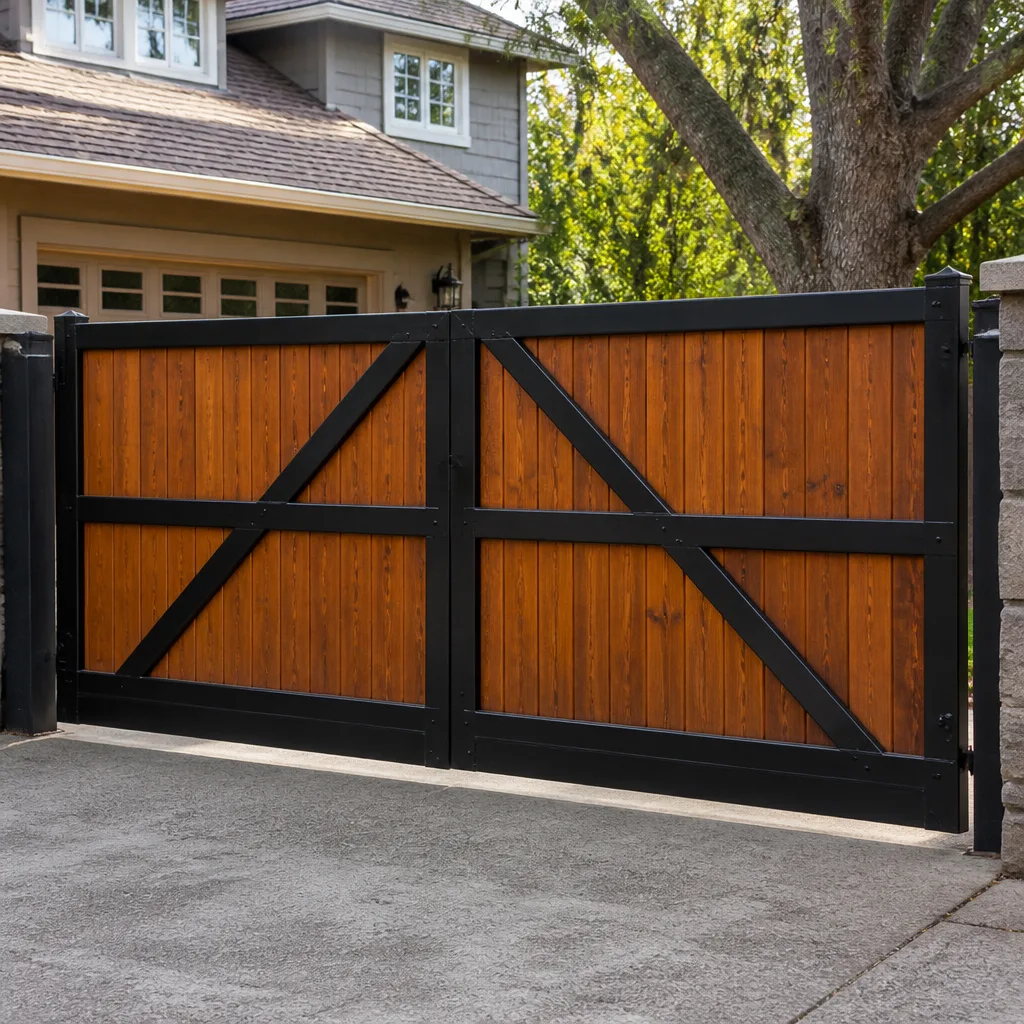 Wood & steel frame
 Farm & ranch
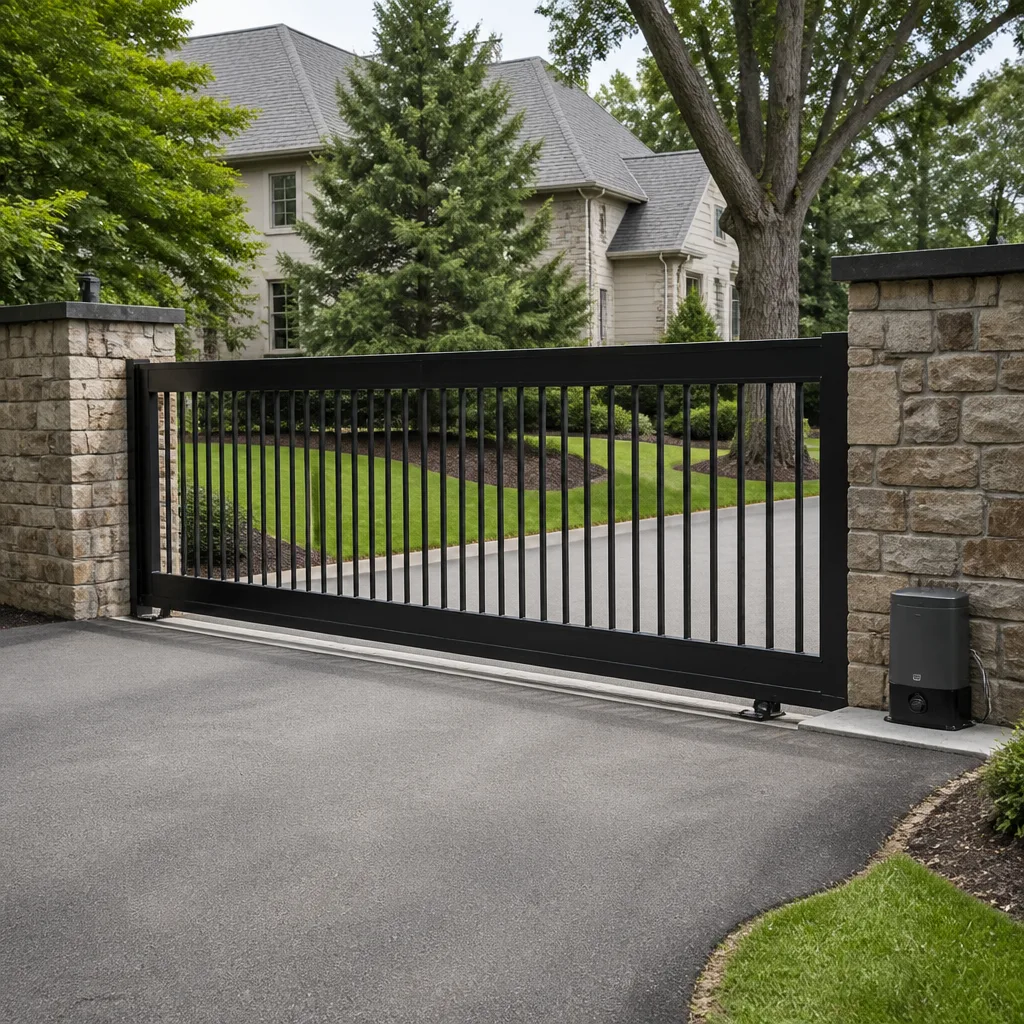 Sliding driveway gates
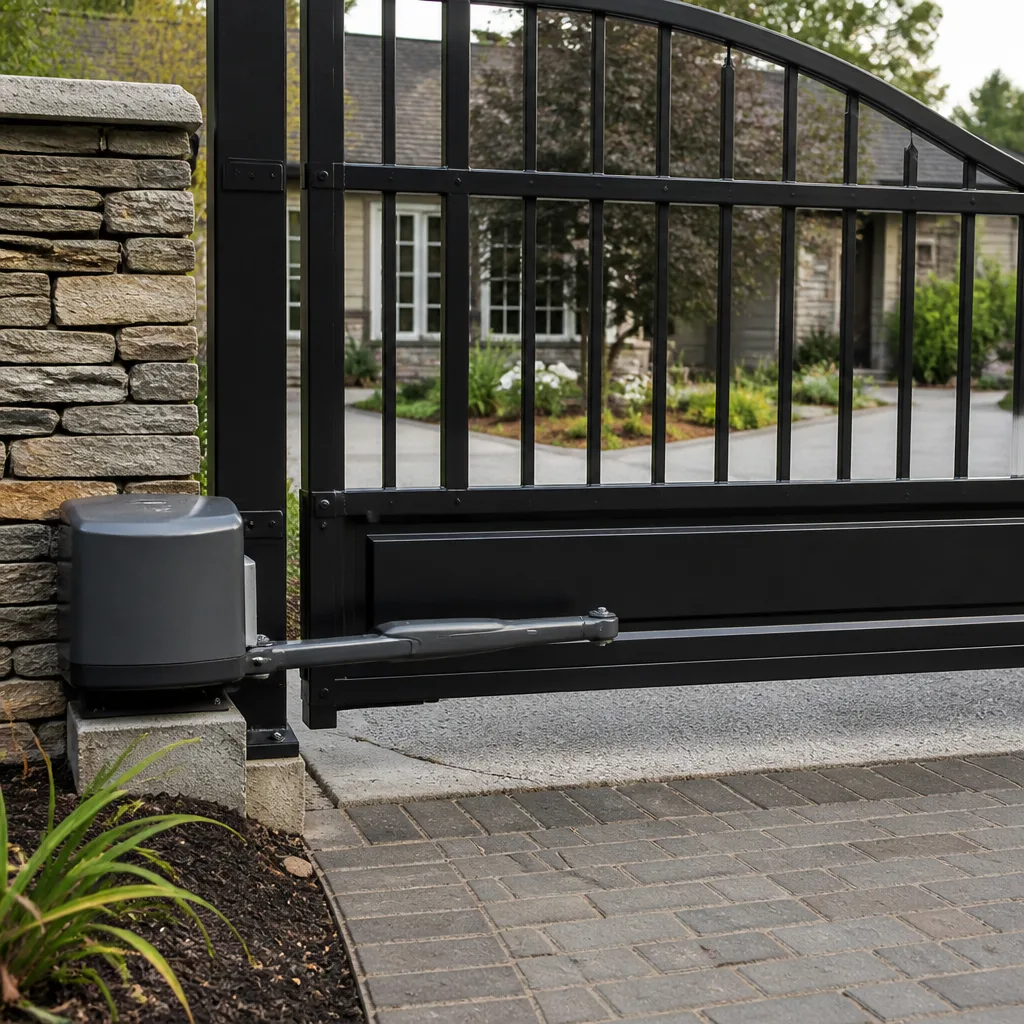 LiftMaster operators
Free on-site gate assessment - hinges, posts, and your LiftMaster or Nice gate operator checked before anything is quoted
The assessment is free and the quote is the invoice.
Get your free estimateGate Repair Permits, Codes & Inspections in Santa Rosa, CA: What You Need to Know
Most people assume the tricky part of an automatic gate is the motor. It isn’t. The tricky part is the paperwork that sits behind the motor, and the safety standard that decides whether the installation passes or fails when someone finally looks at it. Replacing an operator is not always the same as repairing one, and that line matters in Santa Rosa, where a gate that was never permitted can quietly become an insurance problem long before it ever becomes a mechanical one. This guide walks through when a permit is actually required, what UL 325 entrapment protection looks like when it’s done right, how Title 24 touches new operator installs, and how to pull a permit yourself if your scope allows it. You’ll finish knowing exactly which questions to ask before anyone touches your gate.
Quick Answer
In Santa Rosa, a pure repair to an existing gate or operator, like swapping a control board or replacing a hinge, usually doesn’t need a permit. Replacing an operator or installing a new automatic gate is a different job, and it typically does require a permit because the work changes the electrical and safety systems. Under UL 325, any automatic gate must have entrapment protection, and an inspector will check reversing edges, photo eyes and sensing loops before signing off. The written estimate sets the final price, and the permit is a separate question you settle with the city before work begins.
Styles & brands we work with
- Wrought iron
- Wood & steel frame
- Farm & ranch
- Sliding driveway gates
- LiftMaster operators
Table of Contents
- Repair vs. Replacement: Where the Permit Line Actually Falls
- UL 325 Entrapment Protection: What Inspectors Actually Look For
- Title 24 Triggers for New Operator Installs
- How to Pull a Gate Permit as an Owner-Builder
- What Happens When a Non-Compliant Gate Causes a Claim
- What a Gate Inspection in Santa Rosa Looks Like
- Permit and Safety Differences Across Gate Operator Brands
- Planning the Work Around Santa Rosa’s Seasons
Repair vs. Replacement: Where the Permit Line Actually Falls
The single most useful distinction in gate permitting is whether you’re repairing an existing system or replacing a component that changes how it functions. A repair keeps the system intact. A replacement installs something new, which is where permit rules, safety standards and inspection come in. Santa Rosa homeowners often blur this line without realizing it, usually because a failing operator gets described as “just a repair” until the new unit goes in and the scope quietly grows.
Here’s how we think about the threshold in practice:
- Repair (usually no permit): Replacing a control board, fixing a hinge pin, adjusting a track, replacing a photo eye, rewiring a damaged loop detector, or replacing a worn motor on an operator that stays in service. These keep the existing system and its existing approvals.
- Replacement (typically needs a permit): Installing a new operator on an existing gate, changing from manual to automatic, changing the operator’s power source, or installing a brand new gate with an automatic opener. These change the electrical load, the safety devices, and sometimes the structural attachment.
- The gray zone: Replacing an operator with an identical model. Even here, the safety devices have to be re-verified, and whether the city treats it as a like-for-like swap or a new installation depends on the scope you describe. Ask the building department before you order the unit, not after.
In our experience, the safest rule is to describe the work honestly to the city and let them decide. Underselling the scope to skip a permit is where people get burned, because the inspector’s version of “replacement” is usually broader than the homeowner’s. If your gate is failing mechanically or the operator is dead, that’s a gate repair question first. Whether it grows into a permit question depends on what gets replaced. If you’re not sure which side of the line you’re on, a free estimate is the quickest way to find out what the job actually involves.
UL 325 Entrapment Protection: What Inspectors Actually Look For
UL 325 is the safety standard that governs automatic gate operators, and its whole purpose is entrapment protection: making sure the gate can’t crush, pinch or trap a person, a pet or a vehicle. When an inspector reviews a new or replaced operator, they’re checking whether the entrapment protection is present, functioning, and appropriate for the type of gate. This is the part most homeowners never see, and it’s the part that decides whether the installation is compliant.
What compliant entrapment protection looks like on a working gate:
- Reversing edges or an equivalent sensing device on the gate leaf itself, so that when the gate meets an obstruction it reverses rather than continues. On slide gates, this is often a safety edge along the leading edge of the gate.
- Photo eyes (photoelectric sensors) positioned to detect a person or object in the path of travel, mounted at a height and angle that actually covers the danger zone rather than mounted just to satisfy a checkbox.
- Sensing loops buried in the driveway, which detect a vehicle and prevent the gate from closing on it. Loops are common on commercial and high-traffic residential installs, and they fail more often than people expect because the wire gets damaged or the detector board drifts.
- An operator rated for the gate’s type and weight, with the correct cycle rating. An undersized operator on a heavy gate is a safety problem, not just a wear problem.
- Warning signage mounted where it’s visible to anyone approaching the gate, which is a requirement, not a decoration.
An inspector will typically test the reversing function by placing an obstruction in the path and watching whether the gate stops and reverses. If the photo eye is misaligned, if the safety edge is disconnected, or if the operator has been installed without the sensing devices its manual calls for, that’s what gets flagged. We’ve seen gates in Santa Rosa pass a visual look but fail a functional test because a photo eye was mounted too high or a loop wire had been nicked during a landscaping job. Get the safety devices verified before the inspection, not during it. This is exactly the kind of work our electric gate repair technicians handle on a regular basis, and it’s where a specialist’s eye saves a second inspection fee.
Title 24 Triggers for New Operator Installs
Title 24 is California’s energy code, and it reaches further into gate work than most homeowners expect. The common trigger is a new operator installation that includes battery backup, solar components or any change to how the system draws power. Once you’re installing or altering an electrical system, the energy code can apply, and that’s when the scope of your project grows beyond a simple swap.
Where Title 24 tends to come up in gate work:
- Solar-powered operators with battery backup, where the installation introduces a power system that has to meet code requirements for how it’s wired and documented.
- New electrical circuits run to a gate location that previously had none, which can bring the work under electrical permitting rules as well as energy code review.
- Operator replacements that change the power draw or add a battery backup system that wasn’t there before, which can pull the work into a broader compliance review.
The key point is that Title 24 isn’t usually the headline requirement; it’s the one that gets triggered by the electrical scope. If you’re installing a new operator, ask the building department whether your project includes an electrical component that needs review, and describe the power source honestly. A solar operator on a rural Santa Rosa property is a different permit conversation than a hardwired operator on a city lot. We don’t issue permits or speak for the city, but we do know how to describe a gate project accurately so the permit office can tell you what applies. That’s part of a good Gate Repair Santa Rosa estimate: you leave knowing the scope, the safety devices and the permit questions you still need to answer.
How to Pull a Gate Permit as an Owner-Builder
If your scope qualifies as owner-builder work, you can pull the permit yourself in Santa Rosa without hiring a licensed contractor to do it for you. Owner-builder permits are for work on a home you own and occupy, and the rules are specific enough that it’s worth confirming your eligibility with the city’s building department before you start. The permit application is the easy part. The scope description, the safety documentation and the inspection are where the work is.
Here’s a practical sequence for pulling a gate permit as an owner-builder:
- Confirm you qualify as an owner-builder. Call the Santa Rosa building department and describe your property and the work. They’ll tell you whether owner-builder status applies to your project.
- Describe the scope precisely. “Replace automatic gate operator” is clearer than “fix gate.” Include the gate type (slide, swing, overhead), the operator model, and the safety devices you’re installing.
- Gather the manufacturer’s installation instructions for the operator. Inspectors use them, and so should you. The manual is the reference for what entrapment protection the operator requires.
- Submit the application and pay the permit fee. Fees vary by scope and jurisdiction, so get the current schedule from the city rather than guessing.
- Schedule the inspection after installation, not before. Have the gate and safety devices fully functional so the inspector can test them.
- Keep the final signed-off permit record. It’s your proof of compliance, and it’s what your insurer will want to see if there’s ever a claim.
The most common owner-builder mistake is submitting a scope that’s too vague. A permit that says “gate repair” when the actual work is an operator replacement can leave you with an inspection that doesn’t match the permit, which means a revision and another fee. If you want a second set of eyes on the scope before you submit, we’re happy to walk it with you. Call (888) 298-3409 and we can talk through what your job actually involves.
What Happens When a Non-Compliant Gate Causes a Claim
This is the part homeowners rarely hear at the point of installation, and it’s the reason this guide exists. An unpermitted or non-compliant automatic gate can become an insurance problem the moment something goes wrong. A gate that fails and injures someone is a liability event. A gate that fails and was never permitted, or that was installed without the entrapment protection the operator requires, can become a denied-claim event, because the insurer’s position rests on whether the installation met code and the manufacturer’s requirements.
What that exposure actually looks like:
- Homeowner’s insurance may decline to cover a gate-related injury if the gate wasn’t permitted or wasn’t installed to the operator’s safety requirements. The insurer doesn’t have to argue about the injury; it can argue about the installation.
- Injury liability sits with the property owner. An automatic gate is a piece of equipment on your property, and if it injures a visitor or a child, the legal question of whether you maintained a safe installation is going to come up.
- Resale becomes a problem. An unpermitted gate, or a permitted gate with no final inspection, can surface during a home sale as a disclosure issue, and the buyer’s inspector will ask for the permit record.
- A post-incident inspection can be expensive to remedy. Retrofitting entrapment protection after the fact is more work, and often more cost, than doing it right the first time.
For property managers in Santa Rosa, the exposure is higher still, because a commercial or multi-unit gate that was never permitted can put a management company in the middle of a claim it can’t control. We don’t sell insurance and we can’t tell you what your policy covers. What we can do is make sure the gate you own is compliant with UL 325, so the question never comes up. That’s the honest answer to “do I really need a permit?” Most of the time, the permit is the cheap part of doing the job right.
What a Gate Inspection in Santa Rosa Looks Like
A gate inspection is a functional test, not a visual one. The inspector wants to see the gate operate, the safety devices respond, and the installation match the permit scope and the manufacturer’s instructions. Knowing what to expect turns the inspection from a stressful mystery into a checklist.
What the inspector typically checks:
- Operator installation matches the permit and the manual. Correct model, correct mounting, correct power source.
- Entrapment protection is present and working. Photo eyes, reversing edges and sensing loops functioning as designed.
- Reversing test under obstruction. The gate stops and reverses when the path is blocked.
- Warning signage is visible. Mounted where approaching users can see it.
- Electrical work is accessible and to code. The disconnects, wiring and any battery backup are installed correctly.
If something fails, the inspector will tell you what to fix and you’ll schedule a re-inspection after the correction. In our experience, the most common re-inspection triggers we see on Santa Rosa gate work are misaligned photo eyes, disconnected safety edges and operators that were installed without the sensing devices the manual calls for. None of those are hard to fix, but each one means another inspection cycle. Getting the safety devices verified before the inspection is the difference between a pass and a second trip. If you’re planning the work and want the safety devices checked first, that’s a free estimate away.
Permit and Safety Differences Across Gate Operator Brands
Not every operator brand treats safety the same way, and that matters when you’re documenting a permit or preparing for an inspection. We work on the brand you already own, and the operator you choose shapes what entrapment protection it needs and what documentation comes with it. Three brands we see regularly on Santa Rosa jobs each approach this a little differently.
BFT operators are common on residential and light commercial swing and slide gates, and their manuals are generally clear about the sensing devices a given model requires. That’s a gift at inspection time, because you can hand the inspector the manual and point to the required devices. Linear operators show up on a lot of existing residential installs, which means replacement work on a like-for-like basis, and that’s exactly where the permit question gets interesting. Ghost Controls is a newer name we see on DIY-led residential gates, and their operators are often installed by the homeowner, which is where unpermitted non-compliant installations tend to start. If you’re on a Ghost Controls unit and unsure whether it’s permitted, don’t guess.
The practical point is that the operator’s manual is the inspection reference. It tells you what entrapment protection the model requires, and no inspector is going to take a homeowner’s word over the manufacturer’s documentation. If you’re replacing an operator and want the replacement to pass cleanly, the brand and the manual matter more than the price tag. We work across the full range of operator brands, from budget residential units to commercial-grade systems, so replacement conversations stay grounded in what your gate actually needs.
Planning the Work Around Santa Rosa’s Seasons
Santa Rosa’s mild climate is a gift for gate work, but the seasons still shape the schedule. Winter rain is the main one. It softens the ground and slows exterior work, particularly on installations that involve digging, trenching or wiring runs. Late spring through early fall is the easier window for new installs and for anything that involves the driveway or the ground around the gate. The gate itself doesn’t care much about the weather, but the work does.
What that means for planning:
- New installations: schedule for the drier months when ground work is straightforward and the site stays accessible.
- Repairs: any time of year. A failing operator or a broken hinge doesn’t wait for the weather, and repair work rarely involves the same ground disturbance as an install.
- Inspection timing: build in a buffer. If your permit review or inspection lands in the middle of a rainy stretch, the exterior work can slip, and that’s worth planning for.
The city of Santa Rosa is big enough to have its own microclimates, and what’s a dry week in one neighborhood can be a wet one a few miles away. The upshot is simple: spring for installs, any season for repair. If you’re scheduling work that depends on the permit and the inspection, get the paperwork moving early so the weather isn’t the thing that holds up the job. Our team is ready to take the call and help you plan the scope, and we’re happy to walk through the timing with you. The Santa Rosa building department is the final word on permits, but we can help you ask the right questions.
Common Mistakes to Avoid
Most of the problems we see with gate permitting in Santa Rosa come from the same handful of shortcuts. Here are the ones that cost the most to fix later.
- Assuming a “repair” needs no permit when the scope is actually a replacement. If the operator changes, the permit question changes with it. Describe the scope honestly to the city before ordering parts.
- Replacing an operator without re-verifying the entrapment protection. A new operator on old safety devices is not a compliant installation. The reversing edges, photo eyes and sensing loops have to match what the new unit requires.
- Submitting a vague permit scope. “Gate work” invites a revision and a second fee. Precision in the application saves the inspection.
- Installing a new operator without checking Title 24 or the electrical scope. Battery backup, solar and new circuits can pull the project into a broader compliance review you didn’t plan for.
- Treating the inspection as a formality. The inspector tests the reversing function and looks at the devices, so a misaligned photo eye or a disconnected safety edge sends you back for a re-inspection.
- Discarding the permit record after final inspection. It’s your proof of compliance, and it’s the document your insurer or a buyer will ask for. Keep it with your home records.
- Hiring a generalist for a gate safety job. A contractor who does gates as a side trade may not know what a given operator manual requires for entrapment protection. A specialist does, and that’s what saves you an inspection cycle.
None of these are exotic. They’re ordinary mistakes, and they’re all avoidable with the right questions up front.
See the difference
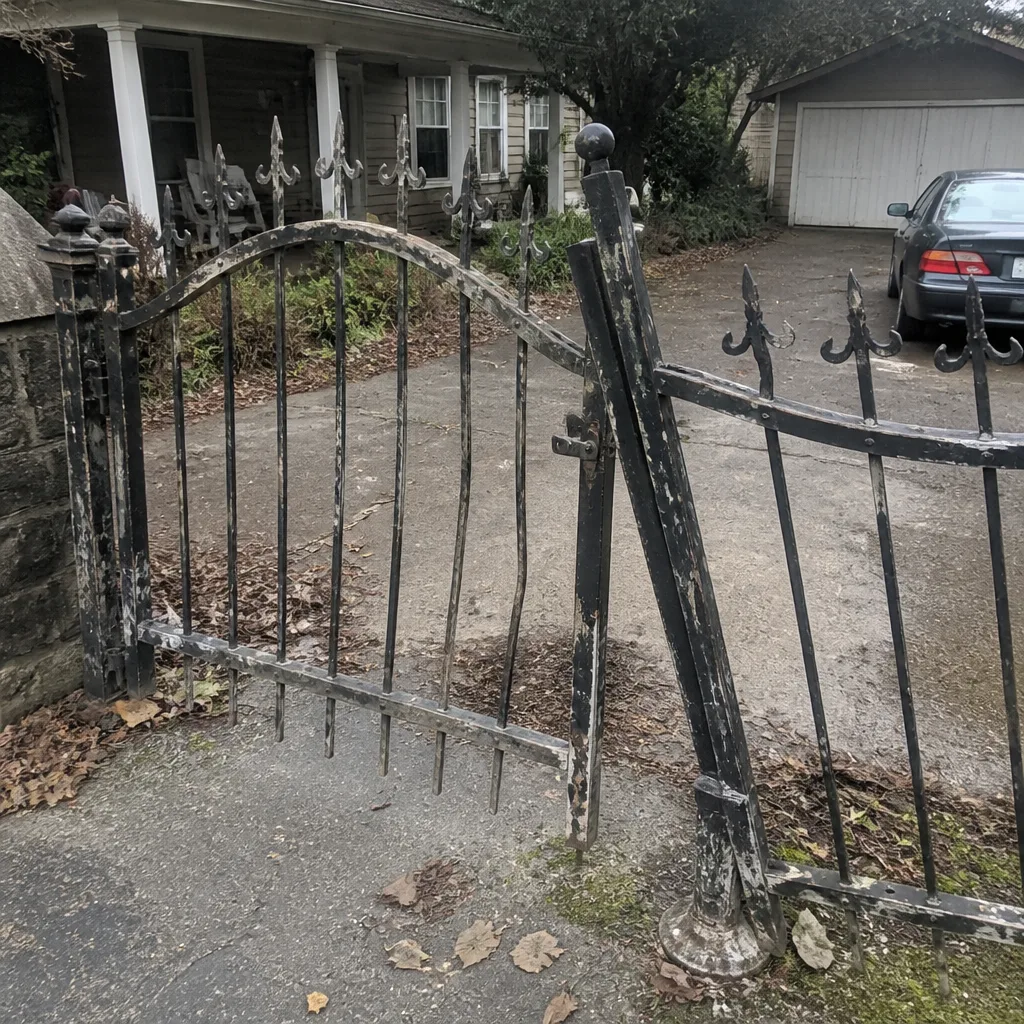 Before
 After
 Before
 After
 Before
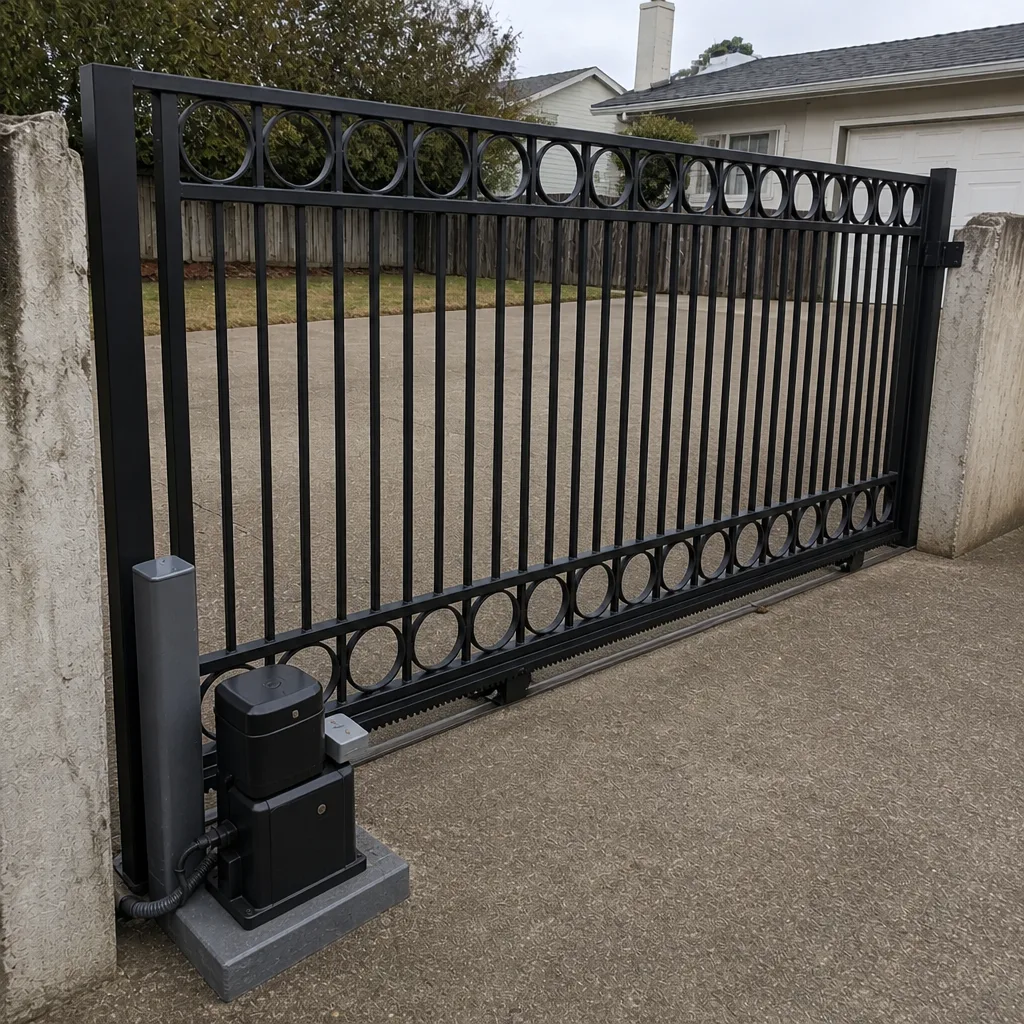 After
When to Call a Professional
Call a professional when the gate is failing and you’re not sure whether the fix is a repair or a replacement, because the answer decides whether a permit is needed. Call when the operator has died and the safety devices may need to be brought up to UL 325 compliance, or when a new installation is going in and you need the entrapment protection planned correctly from the start. Call if the gate was installed without a permit and you want to understand what remediation looks like. Gate Repair Santa Rosa offers free estimates in Santa Rosa. Call (888) 298-3409. We answer 24/7, with fast dispatch from 7am to 7pm, Sunday through Friday. Our technicians have up to 14 years of experience, and the written estimate sets the final price after we’ve looked at the gate.
Frequently Asked Questions
Usually yes. A replacement operator install is typically a permitted job because it changes the electrical and safety systems, while a genuine repair to an existing operator generally does not require one. The exact answer depends on your scope, so describe the work to the Santa Rosa building department and confirm before you order the unit. Call (888) 298-3409 for a free estimate, and we can help you describe the scope clearly.
UL 325 is the safety standard for automatic gate operators, and it requires entrapment protection like reversing edges, photo eyes and sensing loops. It matters because an inspector will test those devices before signing off on a permitted installation, and because a non-compliant gate can affect your insurance coverage if something goes wrong. If you’re unsure whether your gate is compliant, call (888) 298-3409 and we’ll check it.
A gate inspection checks that the installed operator matches the permit and the manufacturer’s manual, that the entrapment protection is present and functioning, and that the gate reverses correctly under an obstruction. The inspector also looks for visible warning signage and correct electrical installation. If something fails, you get a correction list and a re-inspection. Call (888) 298-3409 to have the safety devices verified before your inspection date.
You may be able to if your scope qualifies as owner-builder work on a home you own and occupy. Confirm your eligibility with the Santa Rosa building department, then submit a precise scope that names the gate type, the operator model and the safety devices you’re installing. If you want help describing the scope, call (888) 298-3409 for a free estimate.
An unpermitted gate can create insurance exposure if it causes an injury, and it can surface as a problem during a home sale when the buyer’s inspector asks for the permit record. The remedy is usually to assess the installation against the operator’s UL 325 requirements and correct what’s missing. Call (888) 298-3409 and we can walk through what remediation looks like for your gate.
Not always, but it depends on how the city classifies the scope, and a like-for-like swap still requires the safety devices to be re-verified. That’s why the safest move is to describe the work accurately to the building department rather than assume. Call (888) 298-3409 for a free estimate, and we’ll help you figure out whether your job is a repair or a replacement.
The Bottom Line
The permit question on a Santa Rosa gate usually comes down to one word: replacement. A repair keeps the system intact and rarely needs a permit. A replacement installs something new, which brings UL 325 entrapment protection, the electrical scope and Title 24 into play, and it’s where the inspection lives. The safety devices are the part inspectors actually test, so get them verified before the inspection, not during it. And keep the signed permit record, because it’s your proof of compliance if your insurer ever asks. If you’re unsure which side of the line your job falls on, that’s a conversation worth having before anyone touches the gate. Describe the work honestly to the city, and let the permit office guide the final call.
When you’re ready, call Gate Repair Santa Rosa at (888) 298-3409 for a free estimate. We answer 24/7, with fast dispatch from 7am to 7pm, Sunday through Friday. We work on the brand you already own, we diagnose first and replace only when a repair genuinely isn’t cost-effective, and the written estimate sets the final price before any work starts. From the operator board to the hinge pin, one call covers the whole gate, and the permit questions get answered before the job starts rather than after.
Written by the team at Gate Repair Santa Rosa.