
Last updated November 14, 2026
 Wrought iron
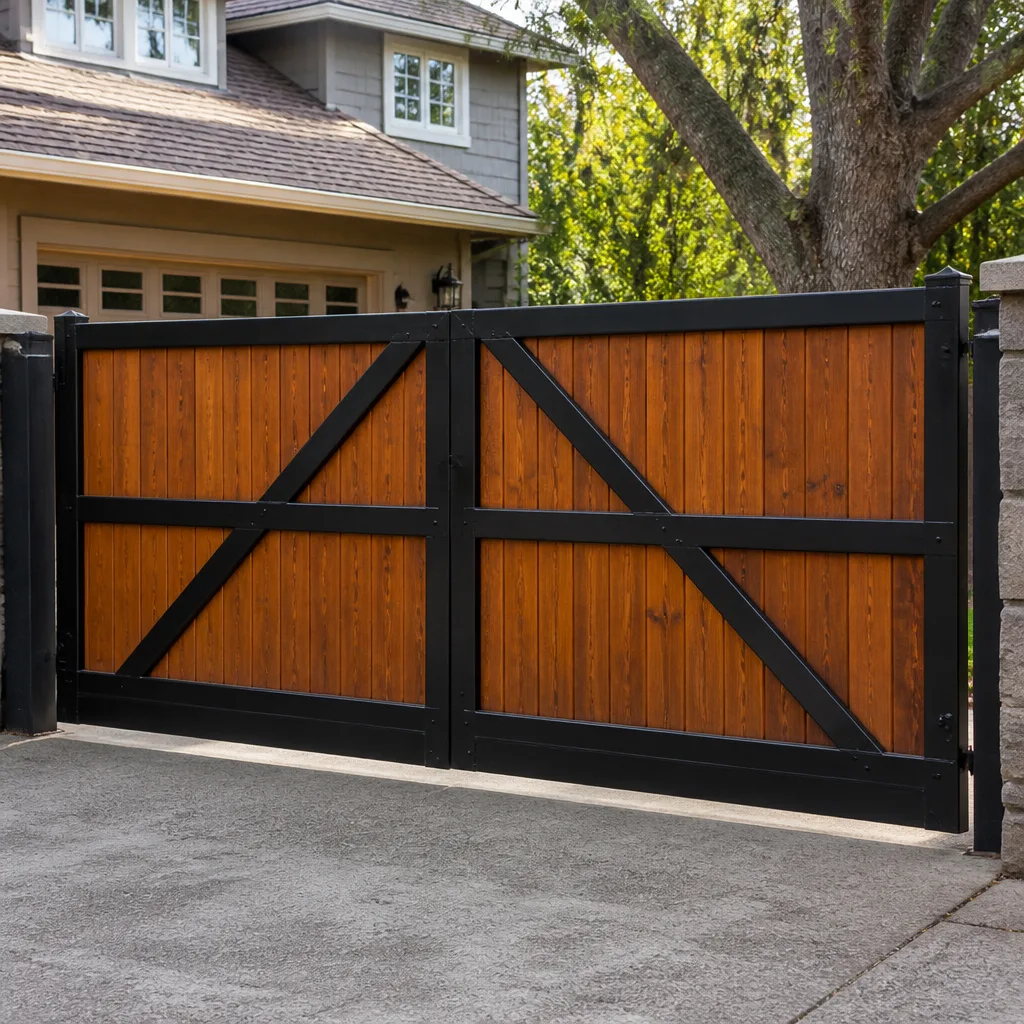 Wood & steel frame
 Farm & ranch
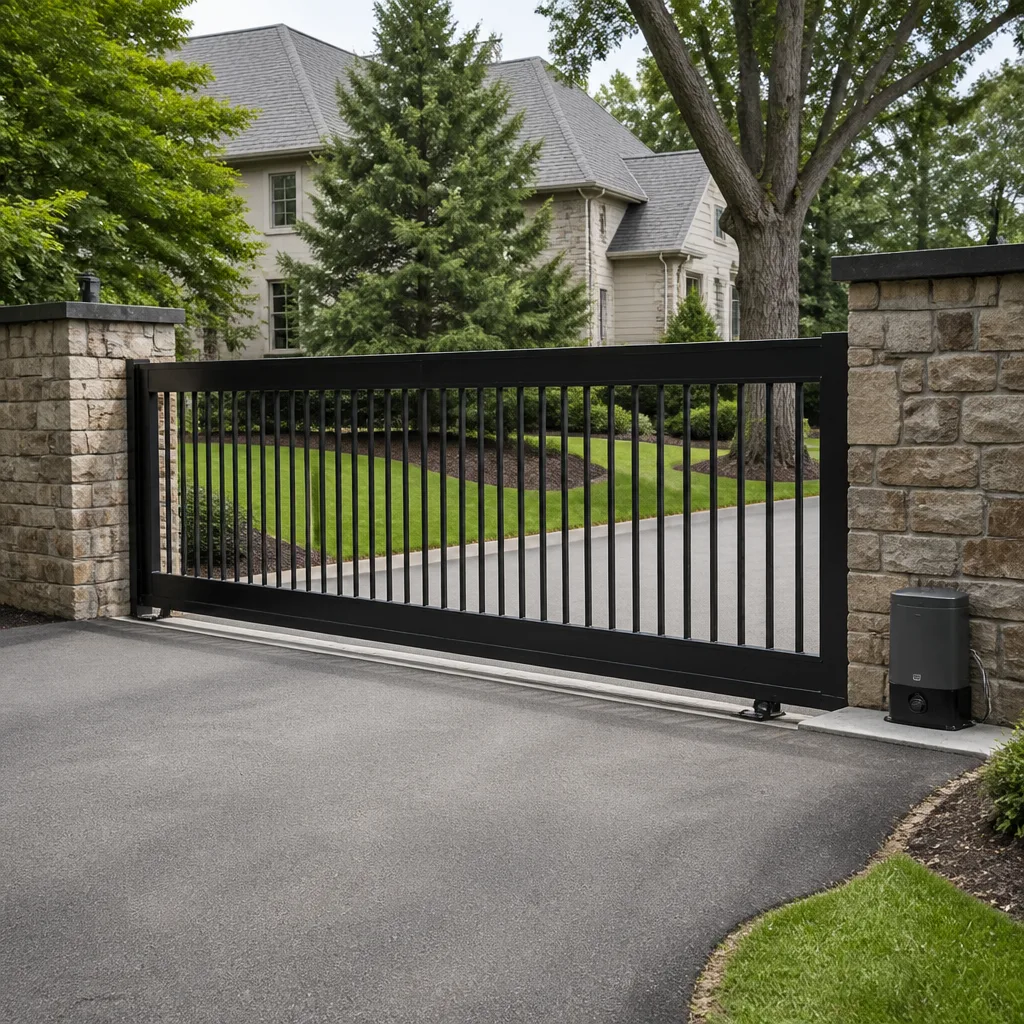 Sliding driveway gates
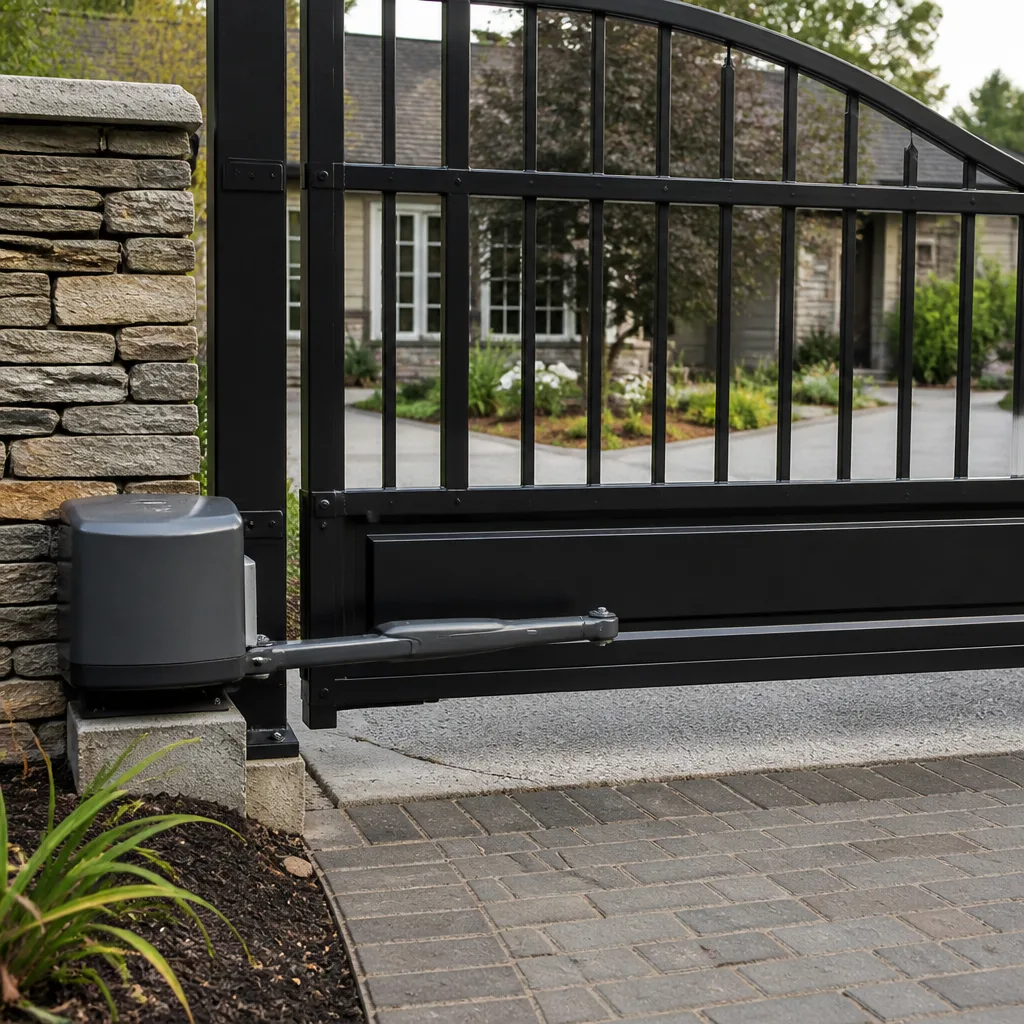 LiftMaster operators
Free on-site gate assessment - hinges, posts, and your LiftMaster or Nice gate operator checked before anything is quoted
The assessment is free and the quote is the invoice.
Get your free estimateGate Repair Emergency Preparedness Guide for Santa Rosa Homes
Most gate failures we get called about after an emergency aren’t the dramatic kind. The gate didn’t break. The operator didn’t burn out. The battery backup had simply been sitting idle for two or three years, slowly discharging, and when the power went out the gate stayed shut. The homeowner never tested it, because why would you? It worked every other day of the year. That’s the trap. A gate that opens flawlessly on a normal Tuesday tells you almost nothing about how it will behave during a PSPS shutoff or a wildfire evacuation order. What you’ll learn here: how to test your release and your backup under real conditions, how to set fail-open vs. fail-secure, and how to plan clearance for a fast exit in Santa Rosa.
Styles & brands we work with
- Wrought iron
- Wood & steel frame
- Farm & ranch
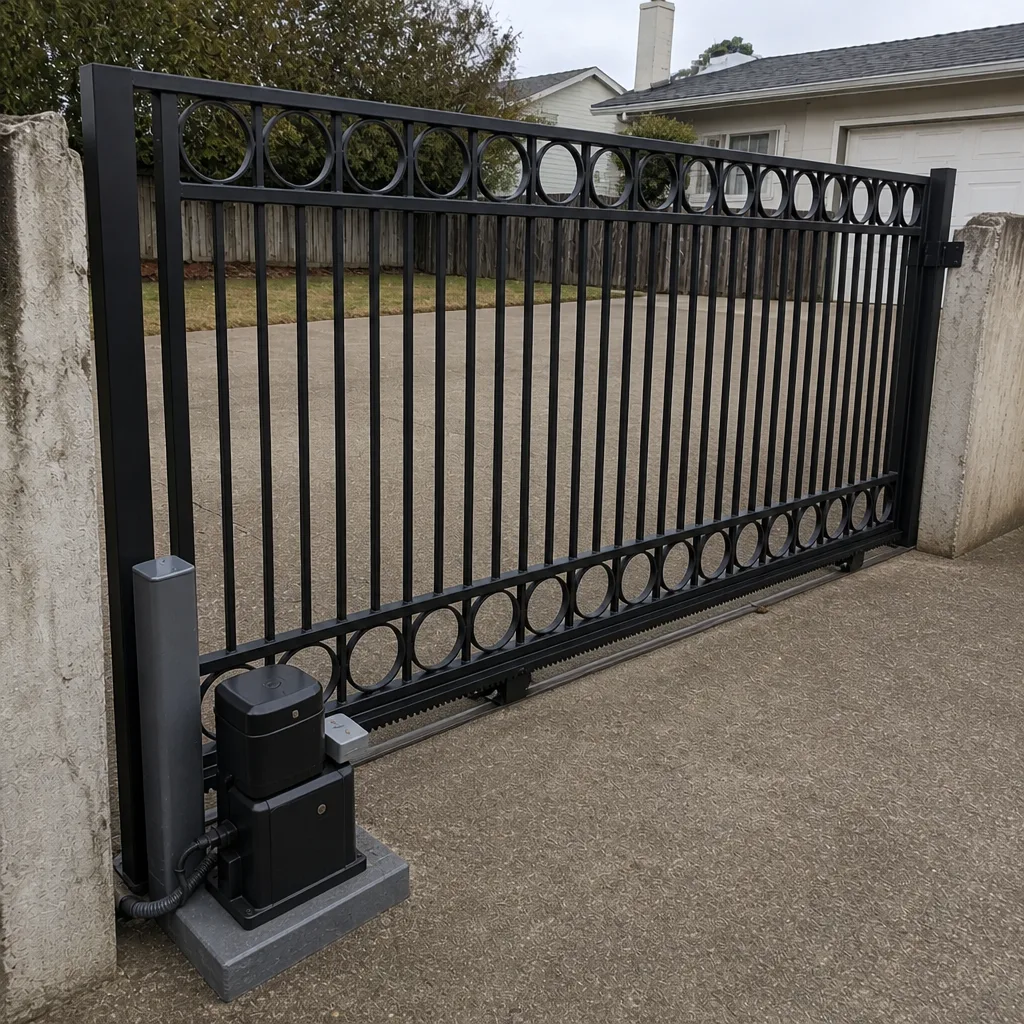
- Sliding driveway gates
- LiftMaster operators
Quick Answer
A gate emergency plan in Santa Rosa comes down to three tested things: a manual release you can operate in the dark, a battery backup that delivers at least ten open-close cycles under real load, and an operator programmed to fail-open if you’re evacuating. Test all three twice a year. A gate you’ve never tested under outage conditions is a gate you can’t count on when it matters most.
Table of Contents
- How Do You Operate a Manual Gate Release in an Emergency?
- How Much Battery Backup Do You Actually Need?
- Fail-Open vs. Fail-Secure: Which Setting Is Right for Your Property?
- Vehicle Clearance and Gate Position Planning for a Fast Exit
- What PSPS Outages Mean for Automated Gates
- Post-Emergency Reset Protocol: What to Check Before Going Automatic Again
- The Operator Brands We Work On and Why It Matters
- Common Mistakes to Avoid
- When to Call a Professional
- Frequently Asked Questions
- The Bottom Line
How Do You Operate a Manual Gate Release in an Emergency?
The manual release is the one piece of your gate system that has to work without power, without warning, and without practice. It’s also the piece homeowners know least about. Every automatic gate operator sold for residential use includes a manual disengagement mechanism, and every one of them works differently depending on the brand and the drive type. The sequence below covers the five most common operator configurations we see on properties around Santa Rosa.
The general release sequence
- Identify your operator type first. Slide gates, swing gates, and barrier arms each release differently. Check the operator housing label for the brand and model before you touch anything.
- Locate the release lever or key. On most residential swing operators it’s a lever accessible from inside the gate line. On slide operators it’s usually under a hinged cover on the housing. Some units use a keyed release cylinder.
- Disengage before you push. Never force a gate while the operator is still engaged. Push the release fully to its stop, then listen for the mechanical click that tells you the drive gear has separated.
- Move the gate by hand to test freedom of travel. It should move smoothly with modest effort. If it resists, the operator didn’t fully disengage, or a wheel, track, or hinge is binding.
- Re-engage only after the gate is back in its home position. Cycling the operator with a partially engaged release is one of the fastest ways to damage a gearbox.
Where releases jam
In our experience, most release failures come from three things: a mechanism that hasn’t been moved since installation, corrosion on the release pin from a season of wet winters, and gates that have settled so far out of plumb that the operator won’t disengage under load. A gate that has drifted a half inch on its hinges can make a release lever feel stuck even when the mechanism is fine. That’s a symptom worth diagnosing before an emergency, not during one.
Brand-specific quirks
Ghost Controls residential slide operators use a manual release handle under the housing cover, and the drive gear must fully clear before the gate will slide by hand. BFT swing operators vary by model, and some use a keyed release that requires a specific key most homeowners never receive at handover. Linear units typically use a lever-style release with a clear disengagement detent. Viking operators are similar but the housing geometry makes the lever harder to reach when the gate is fully closed. If you’re unsure which system you have, that’s the first thing to sort out – and it’s exactly the kind of thing we diagnose on a site visit. Our gate repair technicians can walk you through your specific operator’s release sequence.
How Much Battery Backup Do You Actually Need?
Battery backup isn’t a pass-fail item. It’s a capacity question. The number that matters is how many complete cycles your backup delivers under load after sitting idle, not whether the gate opens once when the power drops. A typical residential backup battery can deliver ten or more cycles when it’s healthy and zero to two when it isn’t, and the difference shows up in exactly the outage you didn’t plan for.
What “enough cycles” actually means
Ten full open-and-close cycles is the working threshold we recommend for a Santa Rosa home. That’s enough to let one or two vehicles leave and return, handle a neighbor coming to check on you, and cover the small back-and-forth that happens during a real evacuation or extended PSPS event. A backup that opens the gate once and then dies is not backup. It’s a single-use release with extra steps.
How to test capacity, not just function
- Disconnect the AC power at the breaker, not just the operator switch. You want the operator running on battery alone.
- Time the cycle. Note how long a full open takes on battery. It will be slower than on AC. That’s normal.
- Run ten complete cycles, open and close, and count them. If the gate stops responding before cycle ten, your battery is degraded.
- Restore power and check the operator’s low-battery indicator or diagnostic LED. Many operators flag a weak battery after a heavy draw.
- Repeat the test every six months. Lead-acid batteries lose capacity over time even when they’re not being used, and a battery that sat through two idle years is the classic failure point.
What degrades capacity
Heat, age, and infrequent testing are the three biggest enemies of gate operator batteries. Santa Rosa’s warm summers accelerate battery decay, and a battery in a sun-exposed housing can fail years before one in shade. Corroded terminals will make a healthy battery behave like a dead one. So will a gate that’s binding on its track, because every cycle draws more current than the backup was designed for. If your gate has gotten harder to move by hand over the years, that’s a battery killer hiding in plain sight.
Fail-Open vs. Fail-Secure: Which Setting Is Right for Your Property?
Every programmable gate operator has a decision baked into its software: what happens when the system loses power or loses its command signal. Fail-open means the gate defaults to the open position, or releases automatically. Fail-secure means the gate stays shut. The right choice depends on what the gate is protecting, and in Santa Rosa most homeowners have never thought about it.
Fail-open: when evacuation is the priority
Fail-open is the standard choice for a residential property where the primary risk is a wildland fire evacuation or an extended power outage. If the power fails and your gate opens by default, you never have to find a key, remember a release sequence, or wrestle a heavy panel in the dark. For most homes in Santa Rosa, particularly anywhere with a documented evacuation zone designation, fail-open is the safer default. The trade-off is that the gate offers no vehicle barrier during the outage.
Fail-secure: when access control is the priority
Fail-secure is right when the gate’s job is genuinely to keep people out – a property with a physical security concern, a commercial yard, or a location where an open gate creates a hazard of its own. Fail-secure gates stay closed on power loss, which is safer for securing property but worse for evacuation. On a Santa Rosa home in a fire-risk area, that’s a trade worth being deliberate about.
How to change the setting
On most programmable operators the setting lives in a menu on the control board or a handheld programmer. Exactly which parameter controls it depends on the brand. Changing the setting without understanding the operator’s other interlocks – loop detectors, safety edges, timer-to-close, fire-department override – can leave the gate in an inconsistent state. This is one place where having a tech walk through the board with you is worth the site visit. Our electric gate repair techs work with these control boards daily and know the menu structure across the brands we service.
Vehicle Clearance and Gate Position Planning for a Fast Exit
A gate that opens to 90% of its travel is a gate that will scrape your vehicle when you’re leaving in a hurry. That sounds like a minor inconvenience until you’re backing up at 11pm during an evacuation order with smoke in the air and a car full of people. In a real high-urgency exit, most drivers don’t think about clearance. They back out fast, and the gate hits the rear quarter panel, or the gate’s arc clips the vehicle and reverses, or the safety edge triggers and the gate reopens as the car is pulling through. All of that wasted time adds up.
How to measure your real clearance
- Drive the largest vehicle you own onto the driveway and stop it where a fast exit would put it.
- Measure the gap from the vehicle’s widest point to the gate panel or arc at the gate’s fully open position. You want at least a comfortable margin – enough that a slightly imprecise turn won’t touch the gate.
- Check the gate’s full travel. Time how long it takes to open from closed to fully open. If it takes more than 15-20 seconds, consider whether your operator’s speed and travel setting can be adjusted.
- Walk the swing or slide path with the gate in motion. Note any spot where the panel comes closer to a parked car, a mailbox, or a landscaping feature than it needs to.
Position strategies that save seconds
If your gate has a hold-open feature or a stray-vehicle trigger that keeps it open briefly after a vehicle passes, use it. If your driveway is long enough to park a car outside the gate, that’s a strategy in itself. Some homeowners set up a second entry point that’s manual-only for emergencies, so the automatic gate isn’t the only way in or out. That’s not overthinking it – it’s how serious evacuation planning works. Proximity cards and transmitters that trigger the gate from inside the house cut seconds off the exit too, since the gate is already moving when you reach the driveway. On a PSPS night in Santa Rosa, those seconds matter.
What PSPS Outages Mean for Automated Gates
Public Safety Power Shutoff events are a fact of life in Sonoma County, and they hit gates harder than almost any other home system. When the grid goes down, a gate has three things to worry about at once: the operator loses its AC power and drops to backup, the battery drains faster if the gate is being cycled repeatedly, and any access control on the gate – keypads, intercoms, phone entry, video systems – goes dark right along with the power. In a multi-day outage this becomes a real logistics problem for a family that needs to come and go.
What to check before a PSPS event
- Battery condition and age – replace any battery that’s more than about three years old
- The manual release operates freely and you have whatever key or tool it needs
- Your phones or tablets have the operator app set up (if your operator supports one) and you’ve tested remote operation
- Landscaping, tree limbs, and anything loose near the gate line won’t blow into the track in heavy wind
- Gate travel is smooth with no binding, since a binding gate drains more backup
What happens during the outage
The gate cycles on battery until the battery reaches its cutoff voltage, then the operator stops responding and the gate is effectively stuck in whatever position it was in. If the gate was closed when the battery died, you’re using the manual release until power returns. This is why battery capacity testing is the single most important prep you can do. A gate that delivers ten cycles will get your family through a short outage. A gate that delivers two will leave you opening the gate by hand for whatever is left of it.
Post-Emergency Reset Protocol: What to Check Before Going Automatic Again
When the power comes back on, most homeowners just close the gate and go back to normal. That skips a critical step. A gate that ran on battery, was moved manually, or operated through high wind has often shifted its limit settings or tripped a fault on the control board that won’t show up as an obvious failure right away. It’ll just start behaving differently a week later. Here’s the reset sequence we recommend after any PSPS event, evacuation, or extended outage.
- Inspect the gate physically before re-engaging automatic mode. Check the release mechanism is fully re-engaged, the track or hinge path is clear, and no limbs or debris are in the path.
- Power on the operator and let it self-test. Many operators run a startup diagnostic. Watch the LEDs on the control board and note any fault codes.
- Cycle the gate once manually through its full travel using the operator’s manual command (not by hand). Confirm the limit switches still stop it at the correct open and close points.
- Test the safety edges and loop detectors. They’re the parts most likely to fail silently after an outage, because the gate still opens and closes even when the safety system is dead.
- Check the battery voltage after a full charge. If the operator has a battery status indicator, confirm it reads normal after a full day of AC power.
- Test the release one more time. An emergency is the moment you want to know it still works.
- Recheck access control. Keypads, intercoms, and phone entry sometimes need to be reconnected or re-paired after a hard power cycle.
If the gate stumbles at any step, or if the operator throws a fault code it hadn’t thrown before, that’s the point to stop and have a tech look at it. Diagnosing a fault on a control board is genuinely our specialty as dedicated Gate Repair Santa Rosa specialists, and it’s a diagnosis that saves you discovering the problem mid-emergency.
The Operator Brands We Work On and Why It Matters
Gate operators are not interchangeable appliances. A BFT control board isn’t a Linear control board, and a Ghost Controls residential slide operator doesn’t program the same way as a commercial-grade DoorKing unit. When a tech is diagnosing an issue on a specific brand, they either know that brand’s logic or they’re learning it on your property. We work across the widest range of gate brands and operator systems – LiftMaster, FAAC, BFT, Linear, Viking, Ghost Controls, DoorKing, Elite, and Mighty Mule – which means we can fix what you already own rather than steering you toward a replacement.
Why brand-neutral matters for emergency prep
A gate specialist who only works on one brand will always find a reason to recommend that brand. A specialist who works across nine brands has no incentive to push a replacement – the honest recommendation usually runs toward repair, and the honest recommendation for an aging operator sometimes runs toward replacing only the failing component. That’s the difference between brand-neutral diagnostics and a sales pitch. In our experience, most of what looks like a gate failure is a control board issue, a battery issue, a limit switch issue, or a mechanical binding issue – none of which needs a whole new gate.
The full-range systems we see
Residential operators on the low end sit around $400-$900 installed for a basic slide or swing system, while commercial-grade operators with access control integration run well into the thousands. The brands above span that full range. Understanding which category your operator falls into tells us something about its life expectancy, its backup battery design, and how likely it is to be part of a broader access control system. If you’re in Santa Rosa and you’re not sure what you have, we’ll help you identify it. That’s a core part of what a Santa Rosa gate specialist does on every visit.
Common Mistakes to Avoid
- Never testing the release since installation. A manual release that hasn’t been moved in years is the release most likely to jam during an emergency. Test it twice a year and you’ll catch binding before it strands you.
- Assuming “the battery works” means “the battery is enough.” An operator that will open once on battery tells you almost nothing about a 10-cycle evacuation scenario. Test capacity, not just function.
- Leaving fail-secure set on a property with evacuation risk. Fail-secure is right for some properties, but on a Santa Rosa home near a designated evacuation zone it can keep you inside the gate when you need out. Review the setting deliberately.
- Re-engaging the operator after a manual release without checking home position. Cycling a partially engaged release damages the gearbox and can lock the gate in a position that takes a tech call to free.
- Skipping the safety system check after an outage. Safety edges and loop detectors fail silently. The gate still opens and closes, and you won’t notice the safety system is dead until it matters.
- Letting a binding gate drain the battery. A gate that has gotten harder to move by hand over the years is pulling more current every cycle. That’s a battery killer, and it’s a mechanical issue worth fixing before an outage exposes it.
- Ignoring access control after a power event. Keypads, intercoms, and phone entry sometimes need to be reconnected after a hard power cycle. If you don’t check, you may find out during the next outage that your entry system doesn’t come back up with the operator.
When to Call a Professional
Some of this guide you can do yourself safely. Battery testing, release checks, physical inspection, and safety-edge testing are all reasonable homeowner tasks that take about 20 minutes twice a year. What we don’t recommend is digging into the control board, chasing a wiring fault, replacing a limit switch, or repairing a heavy gate panel or slide track on your own. Gate operators run on mains voltage, and a heavy sliding or swing panel that comes off its track can crush a hand or worse. If your gate won’t move at all, if a safety edge has failed, if the operator throws a fault code, or if you find the release jammed, that’s a tech job. Gate Repair Santa Rosa offers free estimates in Santa Rosa – call (888) 298-3409. We answer 24/7. Fast dispatch from 7am to 7pm, Sunday through Friday.
Frequently Asked Questions
Test your gate’s battery backup every six months, and always run at least ten complete open-and-close cycles while on battery, not just a single test open. A one-cycle test proves the battery has charge; ten cycles proves it has enough capacity to matter in a PSPS outage or evacuation. Call (888) 298-3409 for an exact quote on a battery replacement if it fails the test – estimates are free.
You can usually free a stuck manual release by cycling the operator through a manual command and re-checking the re-engagement detent, but if the release lever or key won’t move the gate by hand after that, stop and call a technician. Forcing a stuck release can damage the drive gear or snap the release pin. Call (888) 298-3409 for a same-day diagnosis in Santa Rosa – we answer 24/7, with fast dispatch from 7am to 7pm, Sunday through Friday.
For most Santa Rosa homes – especially anywhere in a designated wildfire evacuation zone – fail-open is the safer default, because you never want to be stuck behind a gate with no power. Fail-secure is the right choice only if the gate is genuinely providing physical security you can’t do without. Call (888) 298-3409 and we’ll walk through which setting makes sense for your property.
Most residential gate operator batteries need replacement around the three-year mark, though heat, age, and frequent cycling will shorten that. A battery that sat idle through two years of unused backup is the classic failure point. Call (888) 298-3409 and we’ll test yours on a site visit – estimates are free.
After a PSPS outage, check the release mechanism, cycle the gate manually to confirm limit settings, test the safety edges and loop detectors, verify battery voltage after a full charge, and recheck any access control systems. Anywhere the gate stumbles, stop and have it looked at. Call (888) 298-3409 to book a post-outage reset inspection.
Yes. We work across LiftMaster, FAAC, BFT, Linear, Viking, Ghost Controls, DoorKing, Elite, and Mighty Mule, and identifying your operator is usually the first step of any visit. Photograph the housing label and the control board if you can, then call (888) 298-3409. We answer 24/7. A call outside dispatch hours is booked into the next opening, Sunday through Friday, 7am to 7pm.
The Bottom Line
A gate you’ve never tested under outage conditions is a gate you can’t count on. That single idea drives everything above. Test your manual release twice a year. Test your battery backup on capacity, not just function, aiming for ten full cycles. Decide deliberately whether fail-open or fail-secure is right for your property, and don’t leave fail-secure set on a home with evacuation risk. Plan vehicle clearance so a fast exit doesn’t cost you seconds. And after any PSPS event or evacuation, reset the operator before you trust it again. Gate technicians with up to 14 years of experience can walk every step of that with you. Call (888) 298-3409 for a free estimate. We answer 24/7. Fast dispatch from 7am to 7pm, Sunday through Friday.
Written by the team at Gate Repair Santa Rosa.
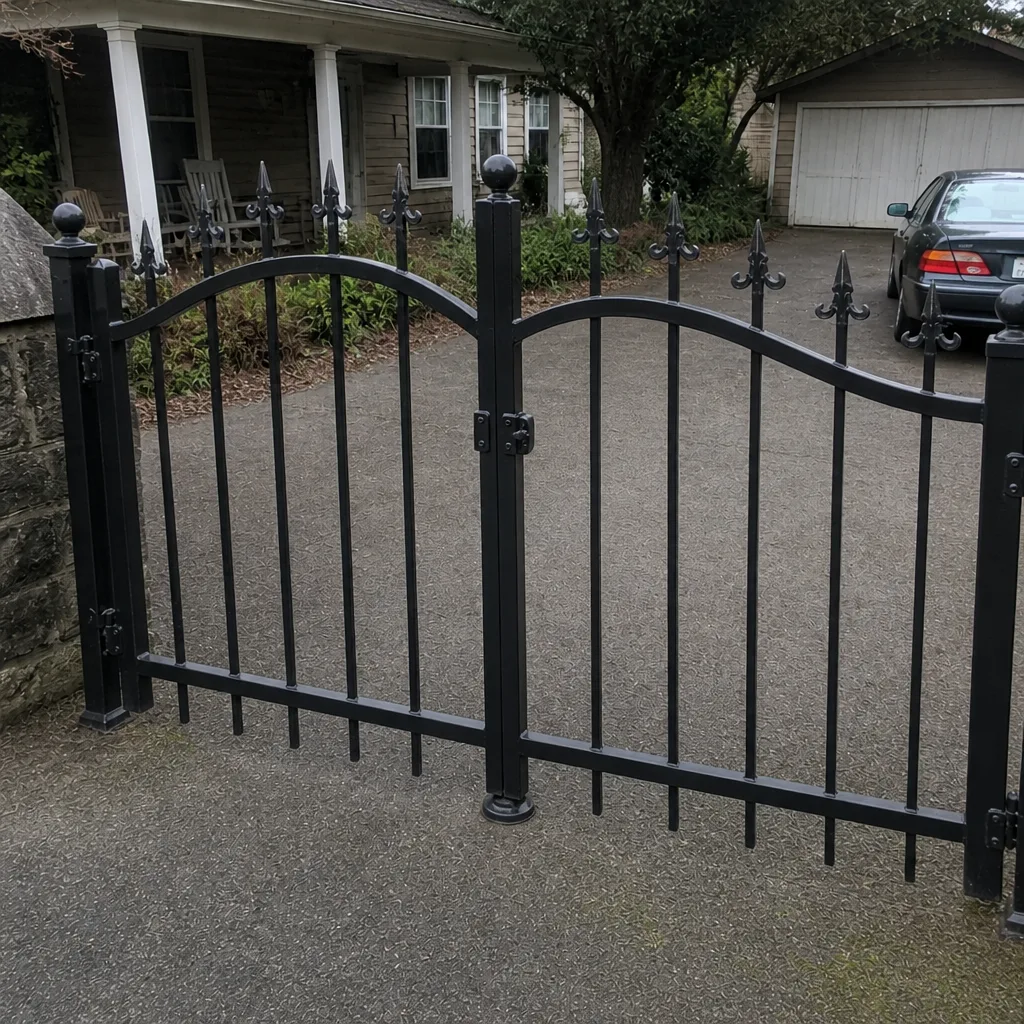
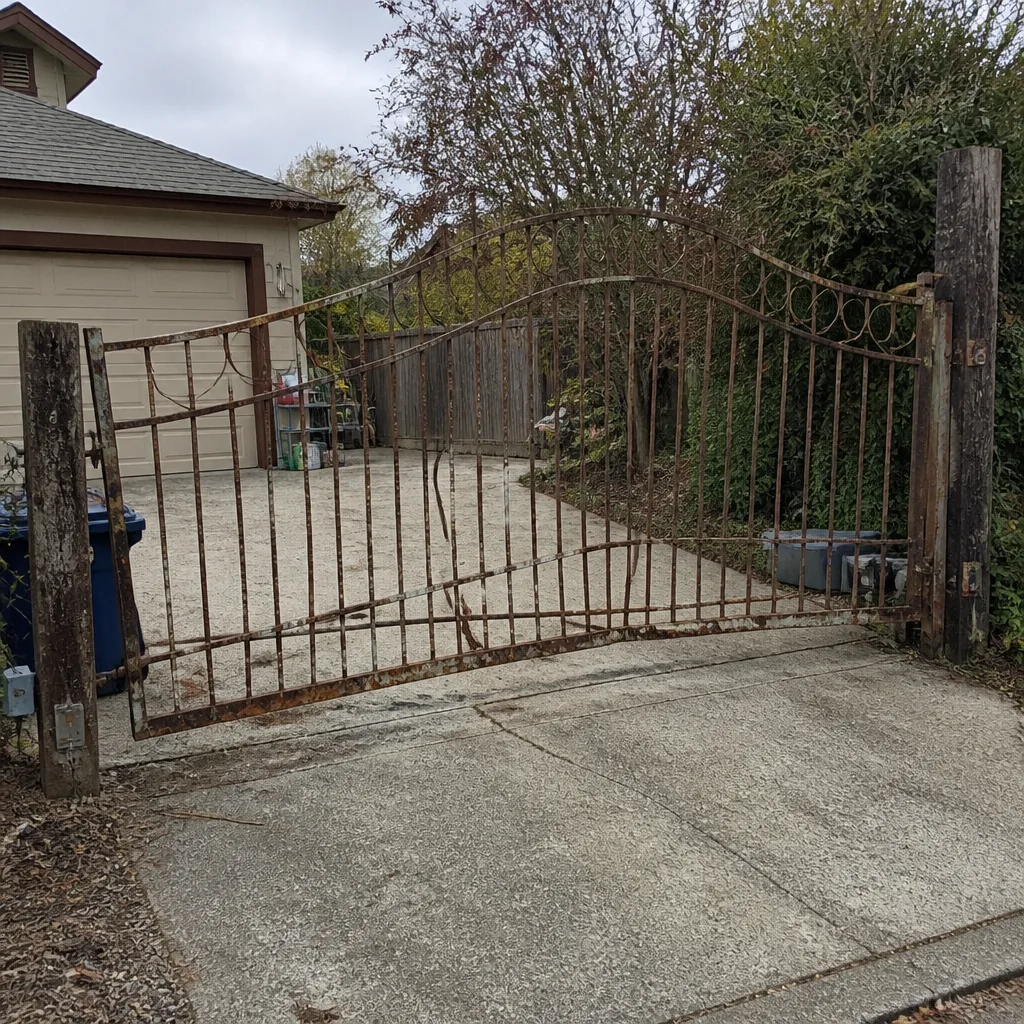
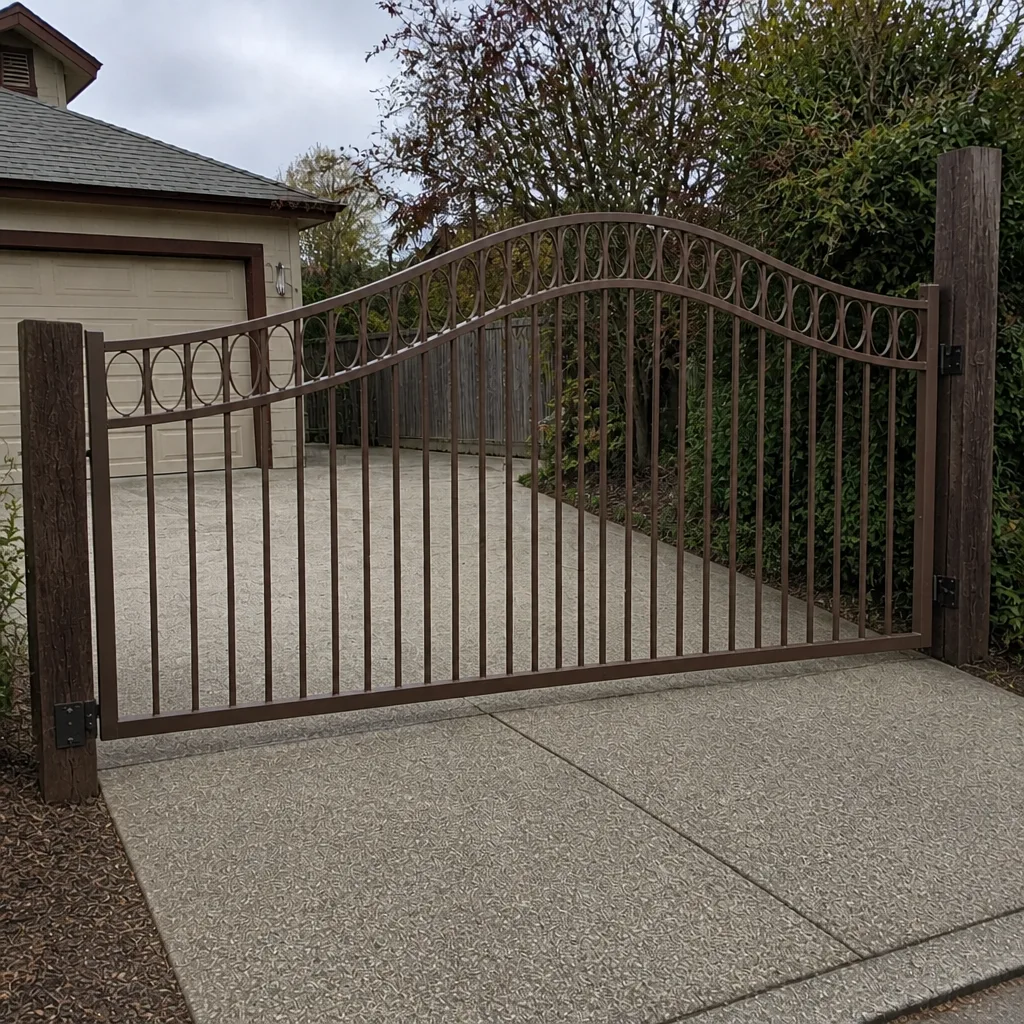
See the difference
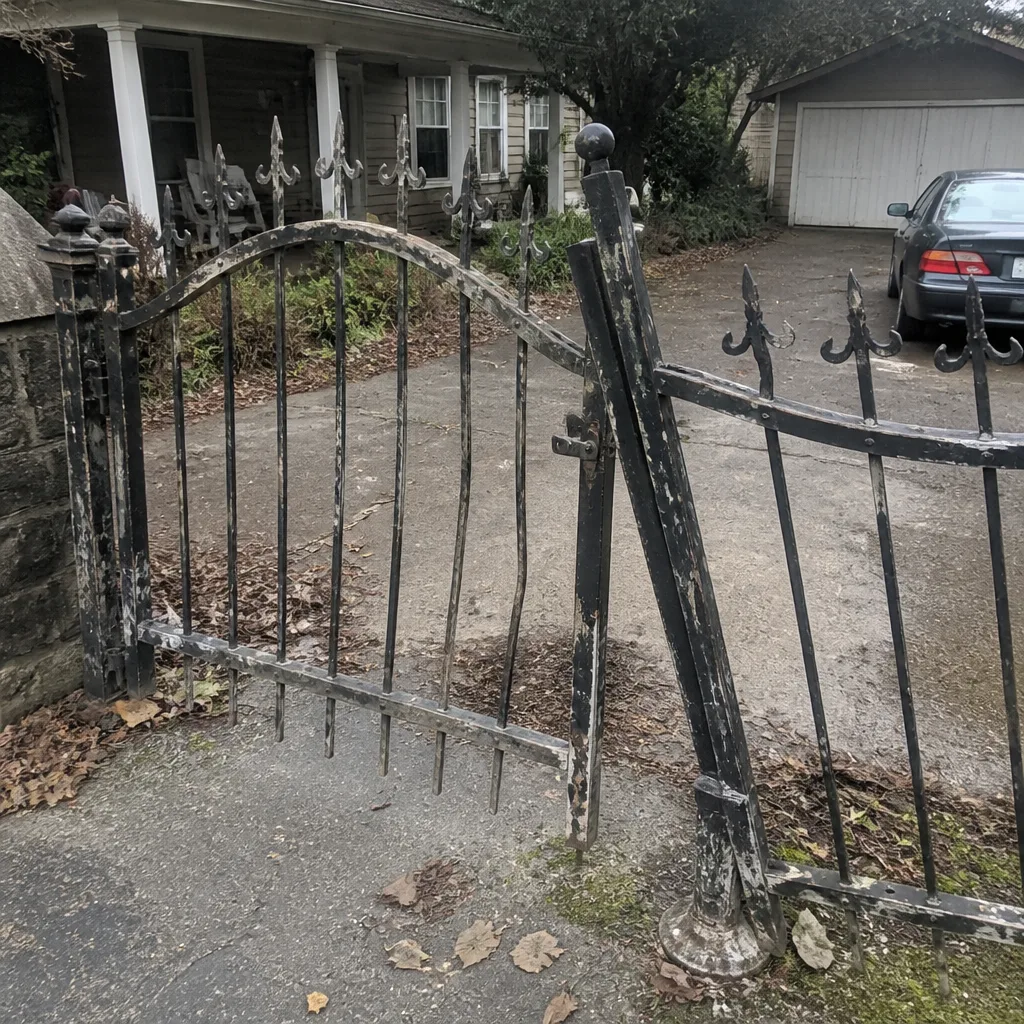 Before
 After
 Before
 After
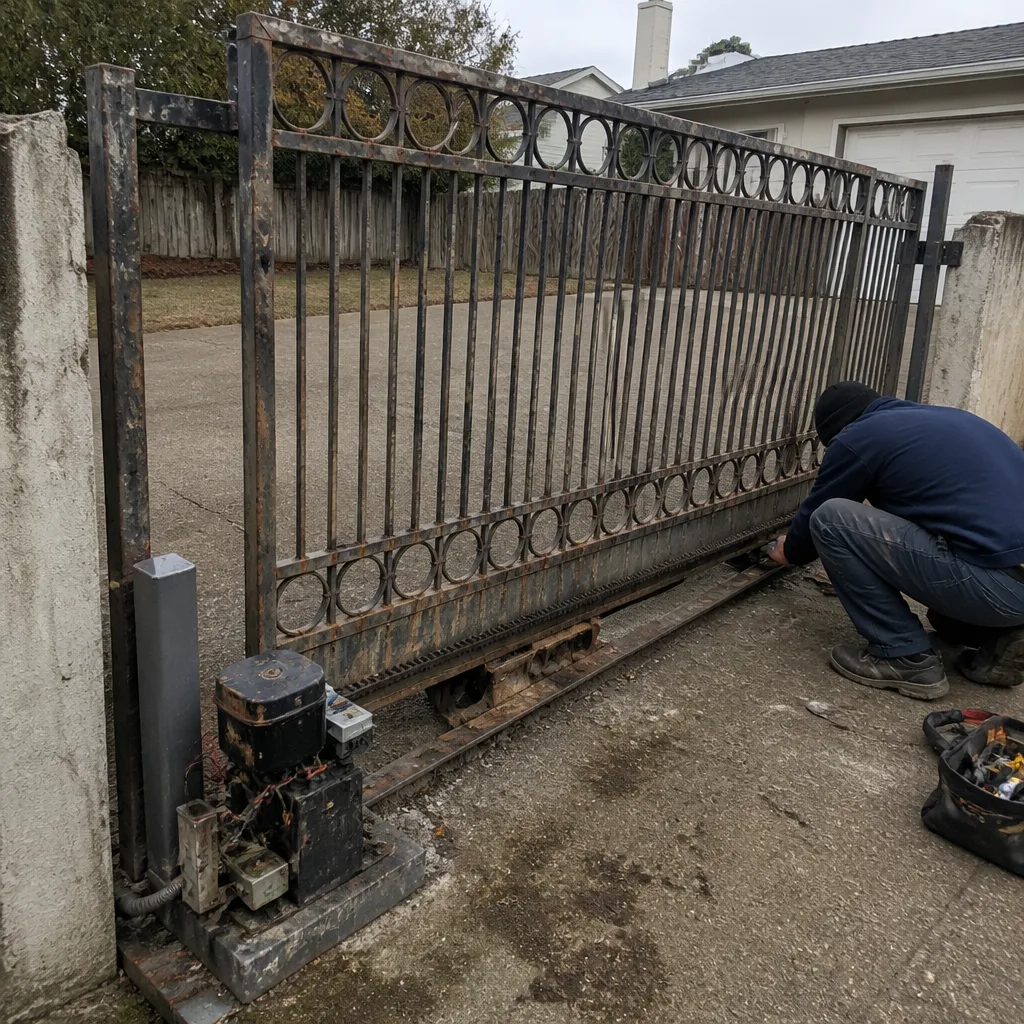 Before
 After