
Last updated November 14, 2026
 Wrought iron
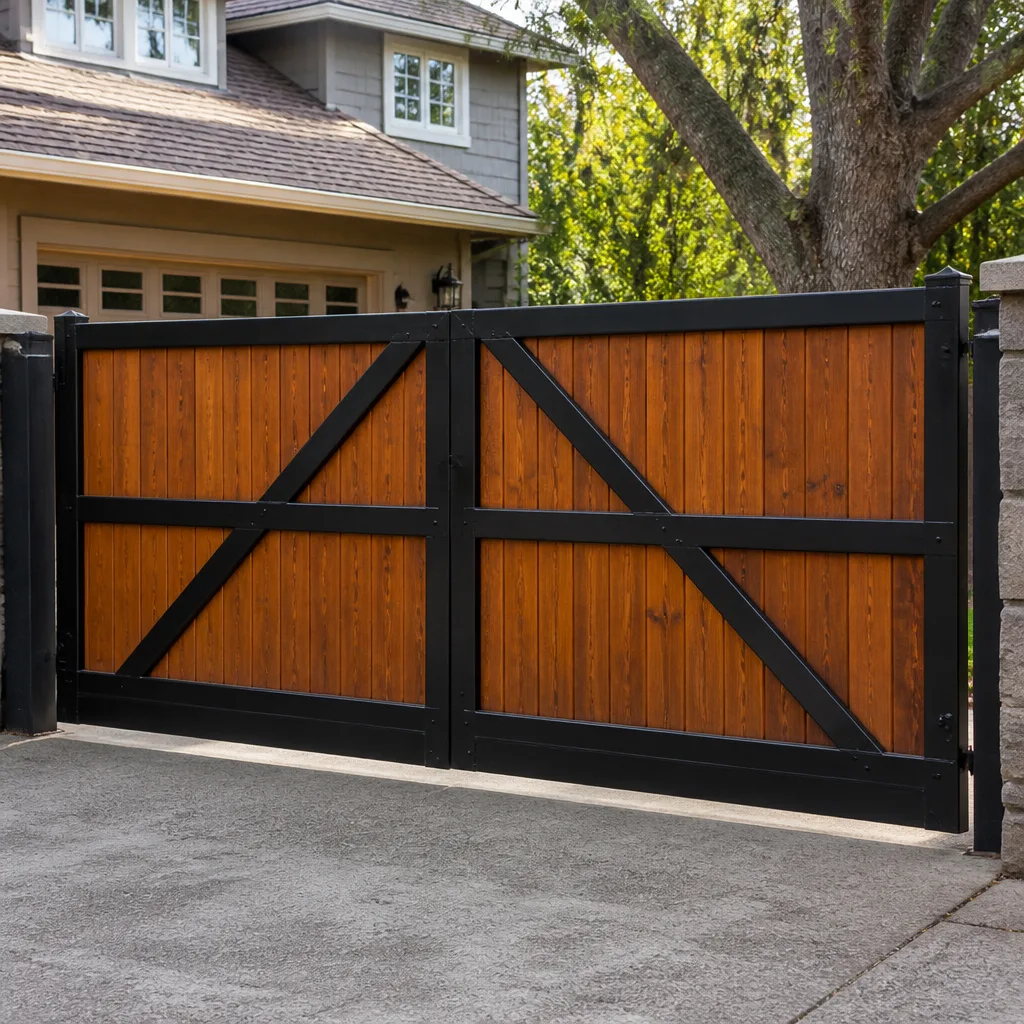 Wood & steel frame
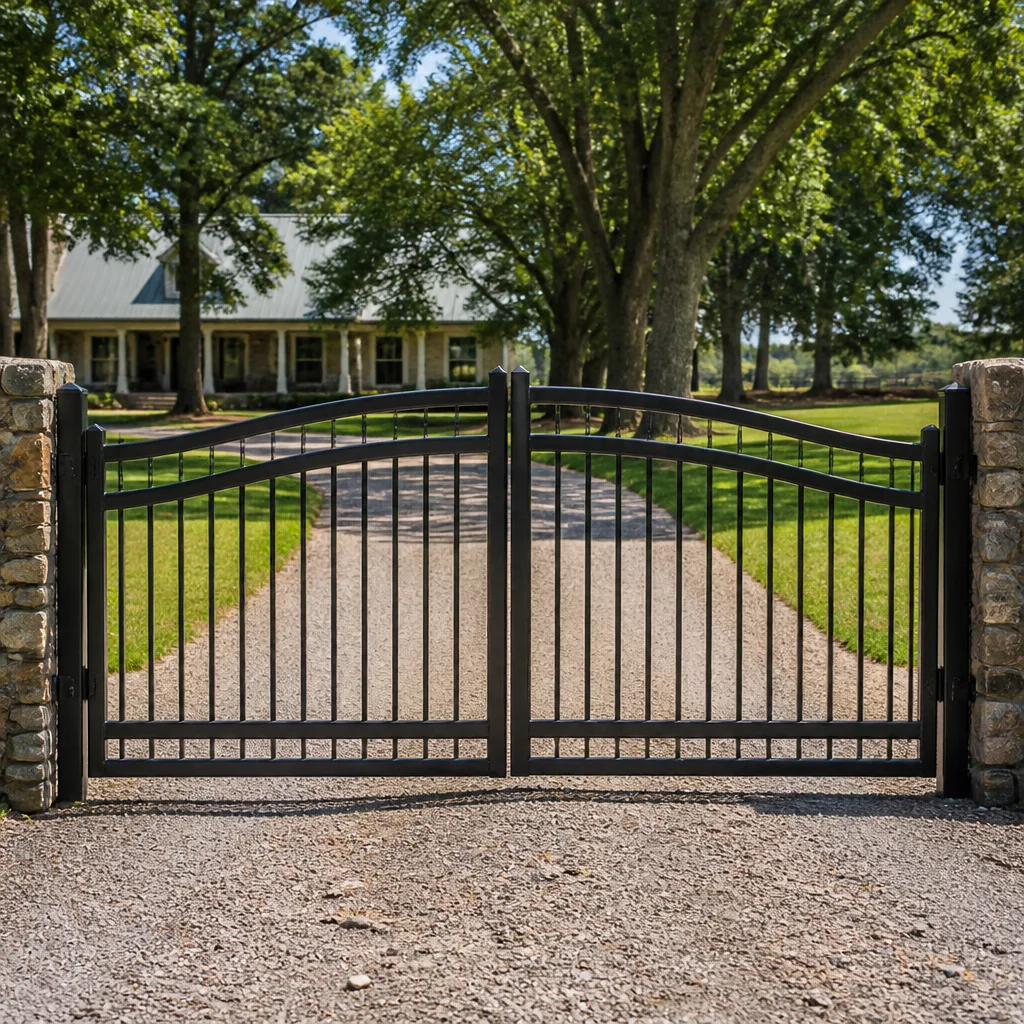 Farm & ranch
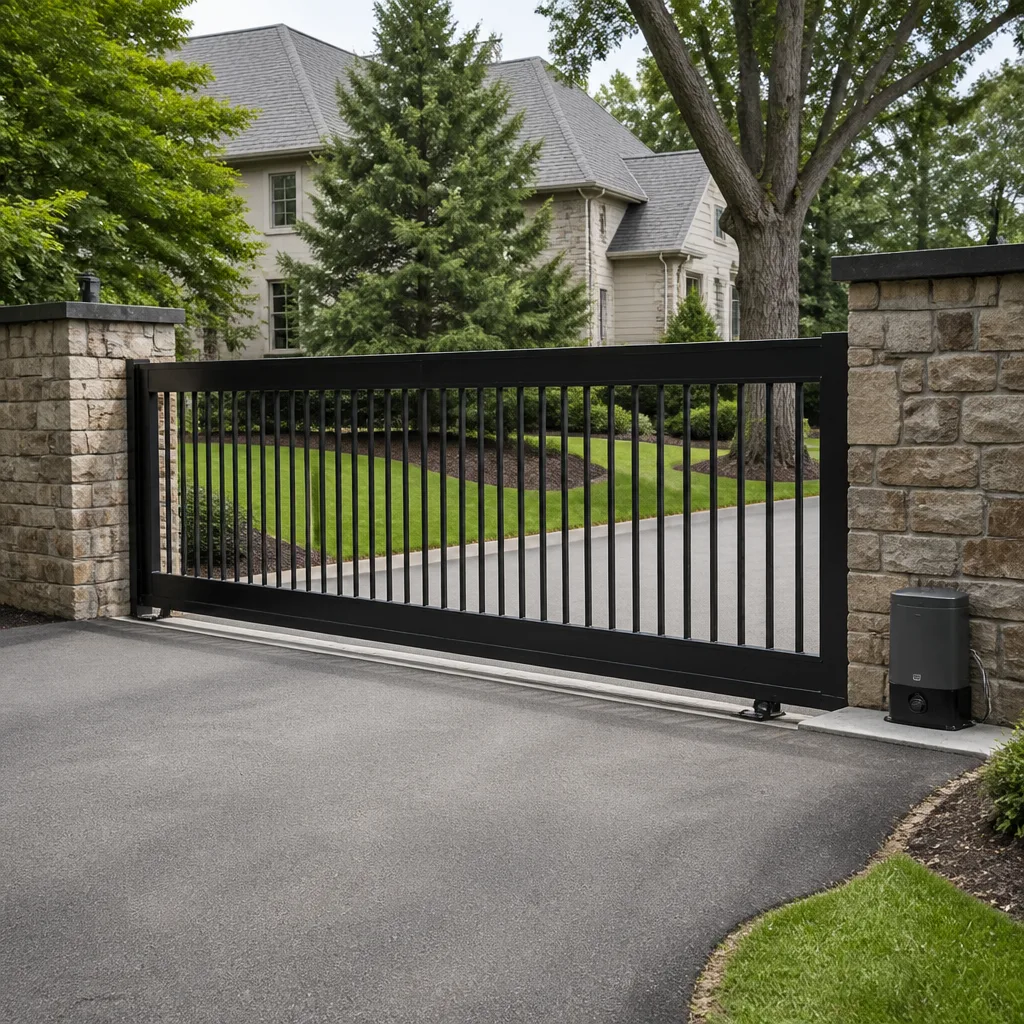 Sliding driveway gates
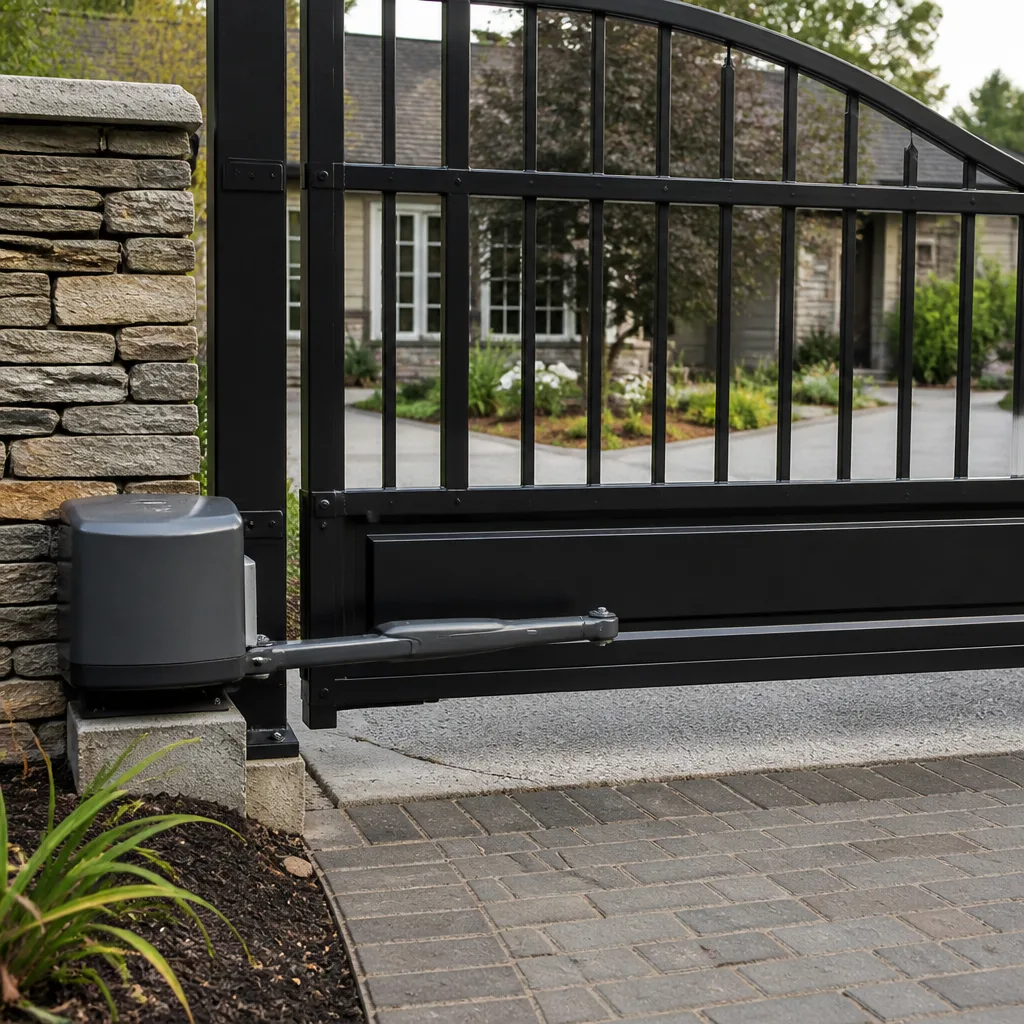 LiftMaster operators
Free on-site gate assessment - hinges, posts, and your LiftMaster or Nice gate operator checked before anything is quoted
The assessment is free and the quote is the invoice.
Get your free estimateGate Repair Maintenance Checklist for Santa Rosa Homeowners
Most gate maintenance advice you’ll find online was written for a climate that doesn’t exist here. Manufacturer manuals assume average temperatures, average humidity, average dust. Santa Rosa is none of those things. We’ve watched a single fall ash event coat a control board so thoroughly that the owner assumed the operator was dead. We’ve seen chain drives seize not from neglect but from months of fog that never quite burns off. The gap between what a generic checklist tells you to do and what your gate actually needs here is where most failures start. This guide closes that gap. You’ll get a seasonal routine built for Sonoma County conditions, the lubrication points almost everyone misses, and a logging habit that saves your technician diagnostic time when something does go wrong.
Quick Answer
A gate maintenance checklist for Santa Rosa should cover five things every quarter: clearing ash and debris from the operator housing and control board, lubricating the chain or rack and the hinge pins, testing safety sensors and the manual release, checking battery backup health before summer, and logging everything you did. Adjust the intervals for material type and for what the gate faces (fog belt, inland heat, or both).
Styles & brands we work with
- Wrought iron
- Wood & steel frame
- Farm & ranch
- Sliding driveway gates
- LiftMaster operators
Table of Contents
- Why Generic Maintenance Schedules Fail in Santa Rosa
- Matching Your Gate Material to the Local Climate
- The Four-Season Santa Rosa Gate Checklist
- Post-Wildfire-Season: The Ash and Control Board Problem
- The Three Lubrication Points Most Homeowners Miss
- Battery Backup and Solar Health Checks Before Summer
- How to Log Maintenance So Techs Skip the Guesswork
- Safety Checks You Can Do and Ones You Shouldn’t
Why Generic Maintenance Schedules Fail in Santa Rosa
Santa Rosa sits in a climate band that doesn’t map cleanly onto any single maintenance profile. That’s the problem. A gate on the west side gets pulled through months of marine-layer humidity, with fog that lingers into the morning and keeps metal damp long after the sun is up elsewhere. A gate on the east side, toward the warmer inland valleys, bakes through summer heat spikes and dries out differently. Both conditions accelerate wear, but they stress different parts of the system. Fog drives corrosion on hinges and fasteners. Heat drives thermal expansion on the operator housing, ages seals, and shortens battery life.
Most published maintenance intervals assume a stable, dry, temperate climate. They tell you to lubricate twice a year and inspect annually. In Santa Rosa, twice a year is often too little, and an annual inspection misses the seasonal windows when problems actually start.
The materials on your gate also age at different rates here than in a dry inland climate. Powder-coated aluminum holds up well against humidity but chips become corrosion sites faster than owners expect. Steel hinges rust from the inside of the barrel outward, so surface inspection misses the problem. Stainless fasteners last longer but can gall against aluminum in a mixed assembly if they aren’t checked.
What this means practically: your gate needs a schedule built around local conditions, not one copied from a manual written for average weather. The rest of this guide lays out that schedule.
Matching Your Gate Material to the Local Climate
Before you build a maintenance routine, know what you’re maintaining. The material of your gate and the material of its hardware determine how often it needs attention and what kind. Here’s how the common materials behave in Santa Rosa conditions.
- Powder-coated aluminum: Holds up reasonably well against humidity. The coating is your corrosion barrier, so chips and scratches matter more than you’d think. A chip on a horizontal rail becomes a corrosion site within a season if left alone. Touch these up promptly.
- Galvanized steel: Durable but dependent on the zinc coating. When that coating wears at contact points, rust starts at exactly the spots that flex. Hinge mounts and post brackets are the usual failure points.
- Bare or painted steel: Needs the most attention. In fog-belt areas, expect visible rust on unpainted surfaces within a couple of seasons. Frequent inspection matters, and lubrication is protective, not just functional.
- Stainless steel hardware: The right choice for salt and humidity exposure, but check for galling where stainless threads into aluminum. Mixed-metal assemblies need a barrier or a check schedule.
- Wood: Swells and shrinks with seasonal humidity swings. That movement gradually loosens hardware and can distort the gate frame over time. Tightening checks matter more than they do on metal gates.
A mixed-material gate (aluminum frame with steel hardware, for example) needs the maintenance cadence of its weakest component, not its strongest. If you’re not sure what you have, that’s worth identifying before you build a schedule around it. When we diagnose a gate, we identify the materials first because it changes the recommendation. Knowing which brand and material you’re working with is the foundation of everything else.
The Four-Season Santa Rosa Gate Checklist
Build your maintenance around the seasons here, not the calendar. The four windows below reflect when Santa Rosa conditions stress gates most.
Spring (Before Summer Heat)
- Clean the operator housing vents and the control board enclosure. Winter debris and dust accumulate here.
- Test the battery backup under load (details in the battery section below).
- Lubricate the chain or rack and hinge pins after any winter weather.
- Test all safety sensors and the manual release.
- Check all fasteners, especially post brackets and hinge mounts, for looseness.
Summer (Heat and Power Events)
- Check the operator housing for heat-related stress: seal wear, discoloration, loose covers.
- Confirm battery backup capacity, since summer power events are when backup gets used.
- Clear vegetation that’s grown into the gate’s swing or slide path.
- Inspect solar panels for dust or debris that reduces charging efficiency.
Fall (Ash Season)
- After any wildfire smoke or ash event, follow the post-fire cleaning sequence below before operating the gate repeatedly.
- Clean control board enclosures and motor housings thoroughly.
- Clear the gate track or swing arc of accumulated debris.
- Inspect and touch up any coating chips before winter.
Winter (Humidity and Fog)
- Inspect hinges for early rust starting at the barrel.
- Re-lubricate contact points more often if your gate faces persistent fog.
- Check for standing water near the operator and any wiring penetration points.
- Confirm the manual release still works in case the power goes out.
Every checklist item above assumes you also keep a written log (see the logging section). Without a log, you’ll lose track of when you last lubricated or tested, and the schedule collapses into guesswork.
Post-Wildfire-Season: The Ash and Control Board Problem
Fall in Sonoma County brings a specific problem most gate owners don’t anticipate: ash. After a wildfire smoke event, fine ash settles on every horizontal surface, including the top of your operator housing. What makes it dangerous isn’t the ash itself. It’s what happens when ash gets inside.
- Power down the operator. Never clean an electric operator while it’s energized. This is a safety rule, not a preference.
- Brush the housing exterior first. Use a soft brush to remove ash from all exterior surfaces before you open anything. If you open a dusty housing first, you push ash inside.
- Open the housing and inspect the interior. Ash that reached the control board will appear as a fine gray film across components. If you’re not comfortable inside a control board enclosure, this is a task for a professional.
- Clean the control board and motor housing with a dry method. Compressed air at low pressure or a soft brush. Never use water or a wet cloth inside the housing.
- Inspect the motor and drive after cleaning. Ash that has mixed with old lubrication becomes an abrasive paste. That paste grinds down the chain, rack, and gear surfaces faster than you’d expect.
- Re-lubricate after cleaning. Cleaning removes the old protective film from moving parts, so lubrication has to follow.
- Test the full operating cycle before resuming use. Run the gate through a complete open-close cycle and confirm the sensors respond before you trust it.
Owners who skip the inside of the housing after a heavy ash event often find the damage months later when the board fails. The cleaning cost is a fraction of the board replacement. If your gate has a commercial-grade operator, like a DoorKing unit with a complex control board, this sequence matters even more, and a trained technician is often the right call.
The Three Lubrication Points Most Homeowners Miss
Lubrication is the single highest-value maintenance habit, but most homeowners lubricate the wrong points. Here are the three that cause chain and rack failures most often, and each is easy to overlook.
- The chain or rack at the drive sprocket contact. Homeowners oil the chain along its run but leave the point where the chain meets the drive sprocket dry. That’s the highest-load contact on the entire system, and it’s where seized link pins cause the chain to snap or slip. Inspect and lubricate this point specifically.
- Underneath the chain or rack, not just the top. Lubricant applied only to the visible top surface never reaches the contact zone on the underside, which is where the chain actually rides. Cycle the gate slowly by hand and lubricate both faces while the chain is moving.
- The hinge pins, not the hinge plates. Homeowners wipe oil on the visible hinge plate. The actual wear point is the pin inside the barrel. A seized hinge pin causes the gate to sag and eventually binds in its arc, putting stress on the operator. Lubricate the pin ends and cycle the gate to work the lubricant in.
Chain and rack failures within an 18-month window almost always trace back to one of these three missed points. If your gate is a slide gate with a Ghost Controls or Elite operator, the rack contact points are worth a specific look on each maintenance visit. Use a lubricant appropriate to your chain type, and don’t over-apply: excess lubricant collects ash and grit, which becomes an abrasive paste. A light film that reaches the contact zone beats a heavy coating every time.
Battery Backup and Solar Health Checks Before Summer
Summer power events in Santa Rosa are exactly when your gate’s battery backup earns its cost. A backup battery that fails silently is worse than no backup, because you assume it will work and it doesn’t. Check it before the season, not during an outage.
- Test under load, not just voltage. A battery can show correct voltage and still fail to move the gate. Disconnect main power and cycle the gate through a full open-close. If it stalls, struggles, or doesn’t complete the cycle, the battery is failing.
- Check the age of the battery and note it in your log. Backup batteries have a limited service life. Knowing how old yours is tells your technician whether to test harder or replace proactively.
- For solar-assisted systems, inspect the panel. Dust, ash, and debris on a solar panel reduces charging efficiency and leaves the battery undercharged. Clean the panel and confirm charging voltage if you have a meter.
- Check for corrosion at battery terminals. Humidity in fog-belt areas can build corrosion on terminals. Clean and tighten them if needed.
- Confirm the operator reports a battery fault if it has that capability. Some operators, including certain Viking units, give a diagnostic signal. If yours does, verify it’s not showing a fault before summer.
A backup battery that passes these checks in spring is far more likely to be there when a summer outage hits. If your system uses solar charging and you’re seeing repeated undercharge warnings, that’s worth a professional look, since the issue might be the solar controller rather than the battery.
How to Log Maintenance So Techs Skip the Guesswork
This is the step most owners skip and the one that saves the most time later. A maintenance log turns your gate repair visit from a diagnostic hunt into a targeted repair. When we arrive at a gate and there’s a log, we can skip the discovery phase and get to the actual fix faster.
Your log doesn’t need to be complicated. A notes app or a notebook works. Log these five things every time you do anything to the gate:
- Date and what you did. “Lubricated chain and hinge pins” or “cleaned operator housing after ash event.”
- Any symptom you noticed. “Gate moved slower than usual” or “sensor hesitated on close.” These small notes are gold for a technician.
- Battery or solar readings. Note voltage readings or charge indicator status.
- Any fasteners you tightened or parts that looked worn. This tells a technician where the stress is showing.
- The brand and model of your operator. Note it once and keep it in the log. Knowing you have a LiftMaster, FAAC, or Linear system immediately narrows the diagnostic path.
When something does fail, hand that log to your technician. A gate with a clear service history takes less time to repair because the technician isn’t starting from zero. If your gate ever needs electric gate repair, that log is often the difference between a fast targeted fix and a diagnostic session. It’s a small habit with outsize value.
Safety Checks You Can Do and Ones You Shouldn’t
Some maintenance tasks are safe for a homeowner with basic tools. Others are genuinely dangerous, and the gate trade has specific hazards worth naming.
Safe for You to Do
- Cleaning the exterior of the housing and clearing debris from the gate path
- Lubricating the chain, rack, and hinge pins
- Testing the manual release (with the operator powered off)
- Testing safety sensors by interrupting the beam and confirming the gate reverses
- Logging your observations
Leave to a Professional
- Working inside the control board enclosure or on operator wiring. Line voltage and control wiring present shock hazards. Never open the control board enclosure while the circuit is energized.
- Working on the operator’s motor or drive after an electrical fault. The equipment can be live even after you flip the breaker if wired incorrectly.
- Repairing heavy gate panels or correcting a slide gate that has come off its track. A heavy panel under stored energy can crush a hand or foot faster than you can react. This is a genuine injury hazard, and a trained professional should handle any repair involving a heavy panel or a dislodged slide gate.
- Any wiring work for safety edges, loop detectors, or access control. These integrate with the operator and could disable safety features if wired wrong.
If your safety sensors aren’t reversing the gate, stop using the automated operation until it’s fixed. A gate that closes on a person or vehicle is the worst outcome in this trade, and it’s avoidable. Check the license and ask the city about any permit requirements before work is scheduled.
Common Mistakes to Avoid
- Building your schedule around generic manufacturer intervals. Those intervals assume average weather and average humidity. Santa Rosa’s fog belt and inland heat spikes both accelerate wear, so the actual intervals here should be shorter.
- Wiping ash off the top of the housing and calling it clean. Ash that reached the control board sits as a fine film on components, and skipping the interior is how board failures happen months later.
- Over-lubricating the chain. Excess lubricant collects ash and grit and becomes an abrasive paste. A light, well-placed film reaches the contact zone; a heavy coat causes damage.
- Oiling the hinge plates instead of the pins. The visible plate is not the wear point. The pin inside the barrel is, and a seized pin sags the gate without any visible cause.
- Testing the backup battery by voltage alone. A battery that shows correct voltage can still fail under the actual load of the gate. Test under load or you’re trusting a false signal.
- Skipping the post-ash cleaning of the control board enclosure. Fog-belt humidity plus trapped ash accelerates corrosion and often corrodes exposed control board connections before the owner notices a symptom.
- Keeping no maintenance log. Without a record of what you did and what symptoms you noticed, your technician starts every visit from zero, which lengthens the diagnostic and could mean more cost.
See the difference
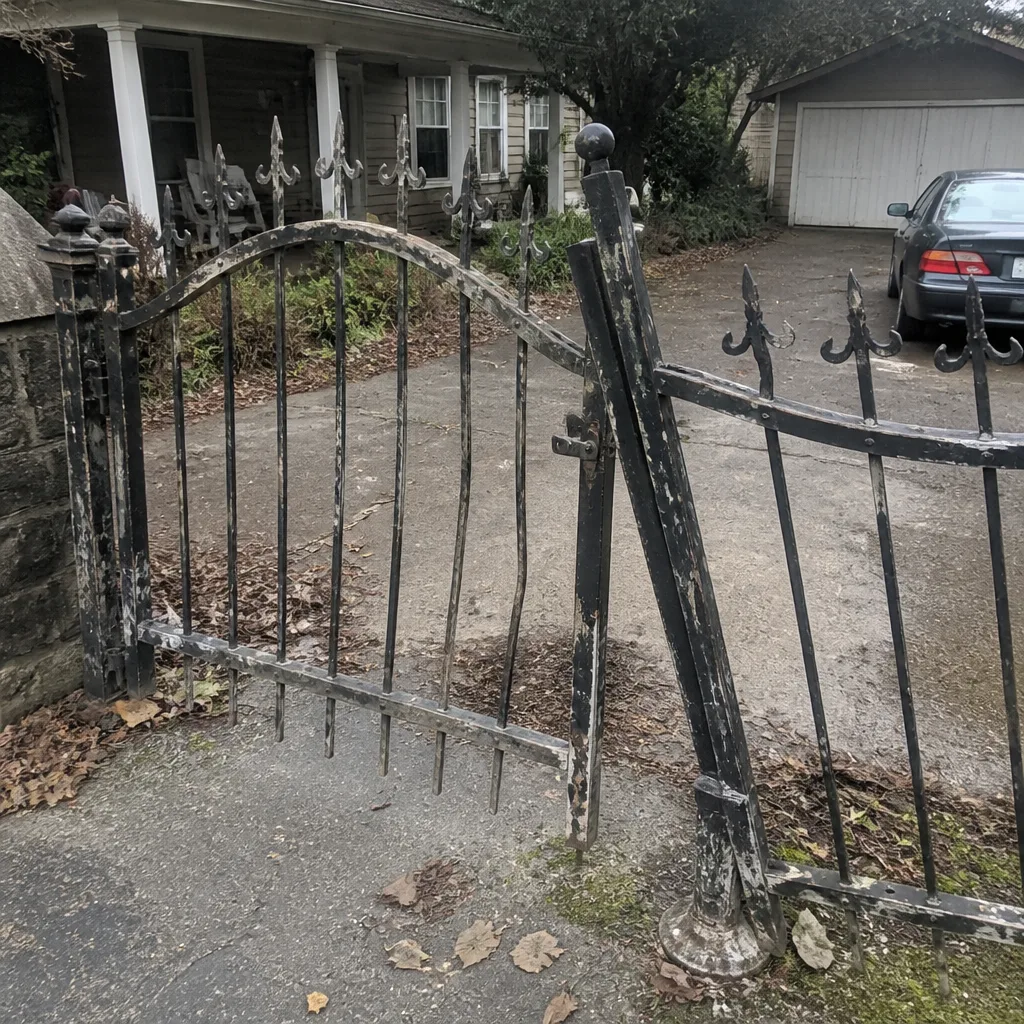 Before
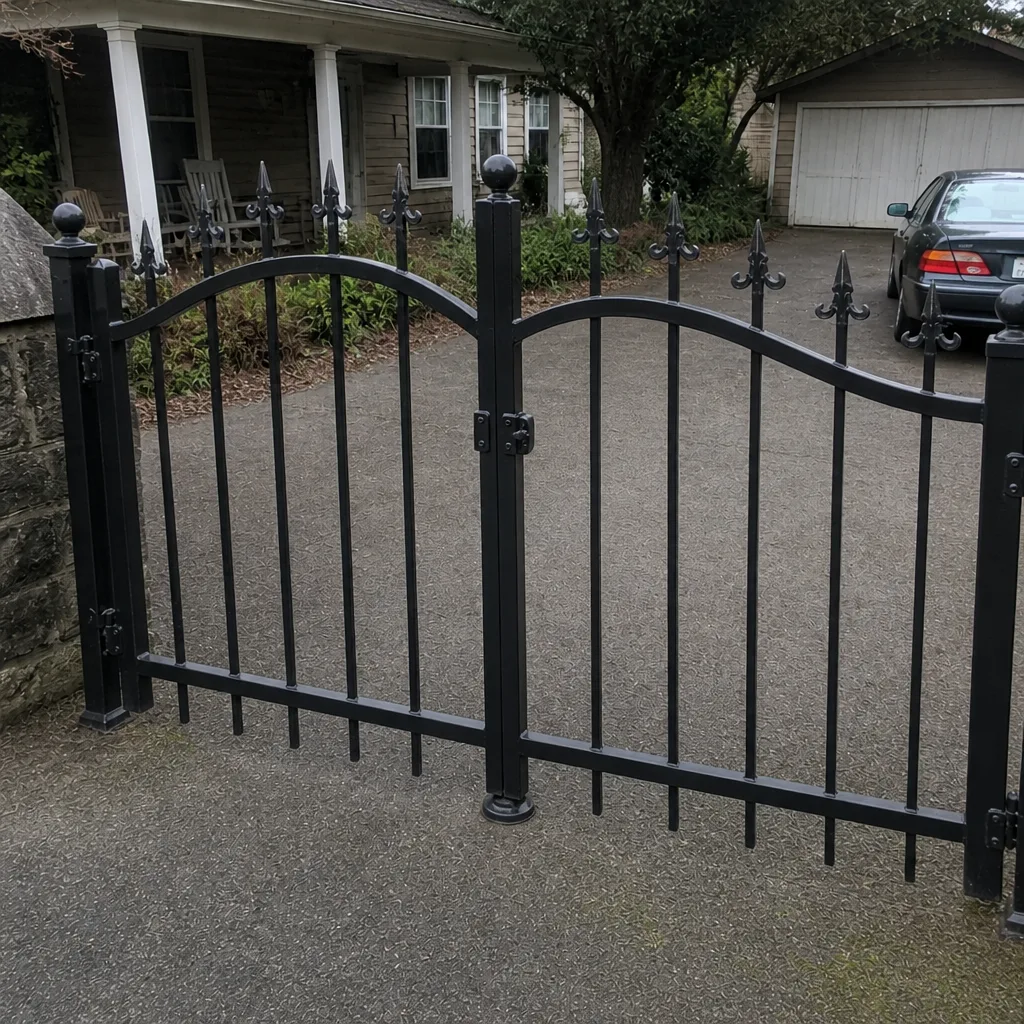 After
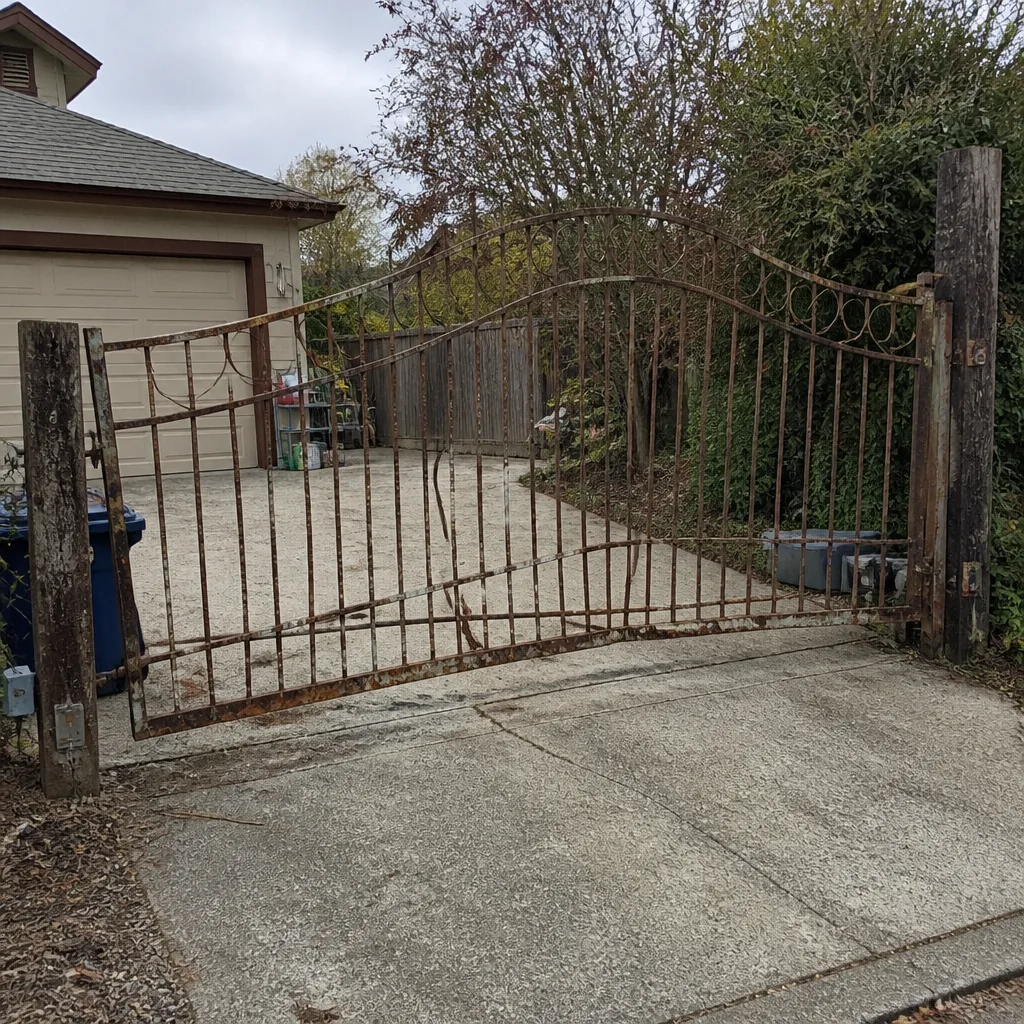 Before
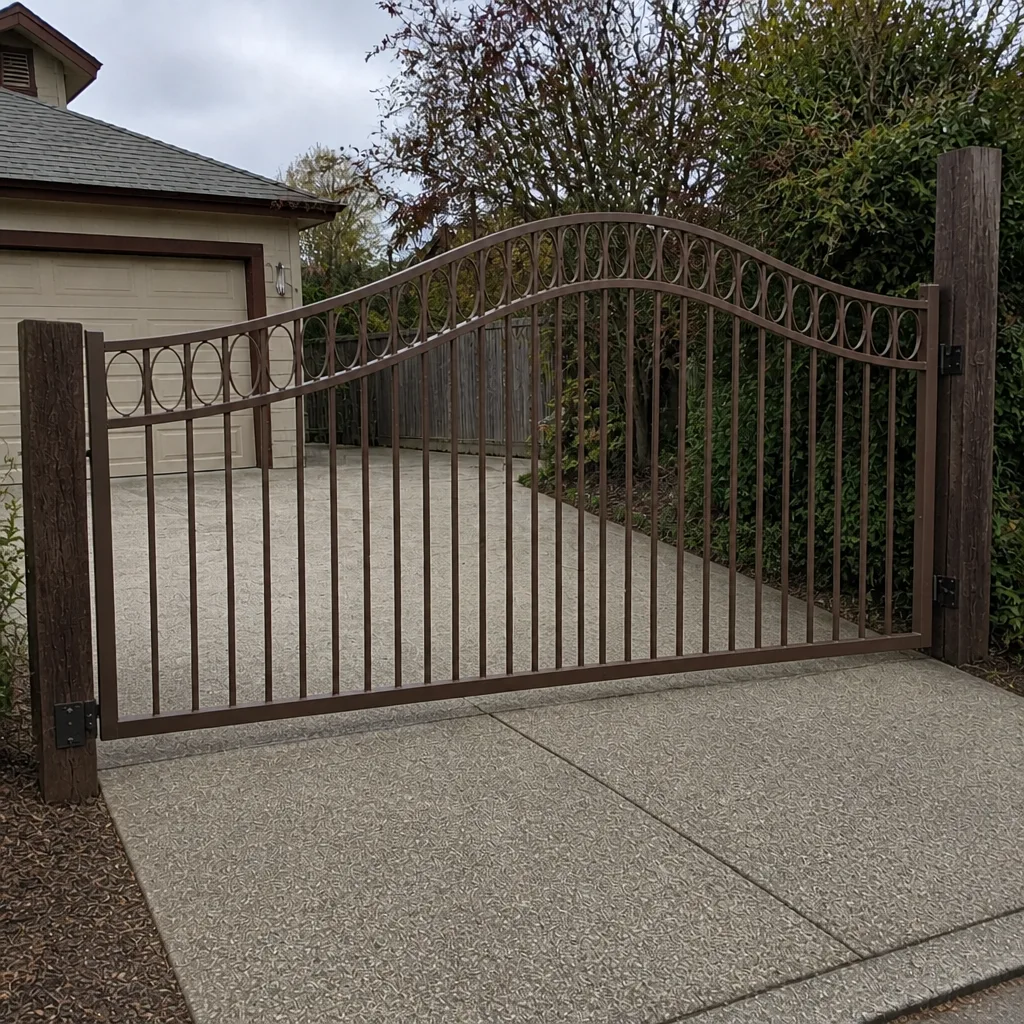 After
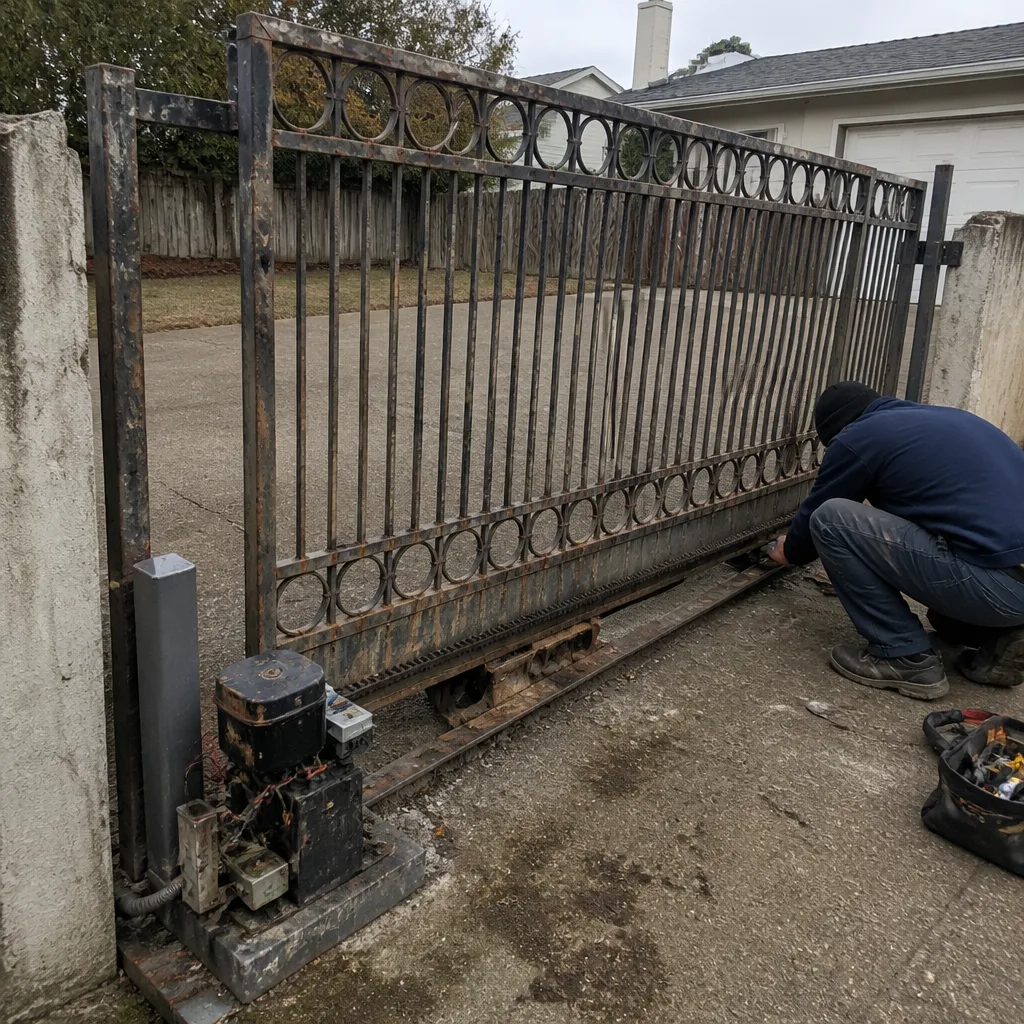 Before
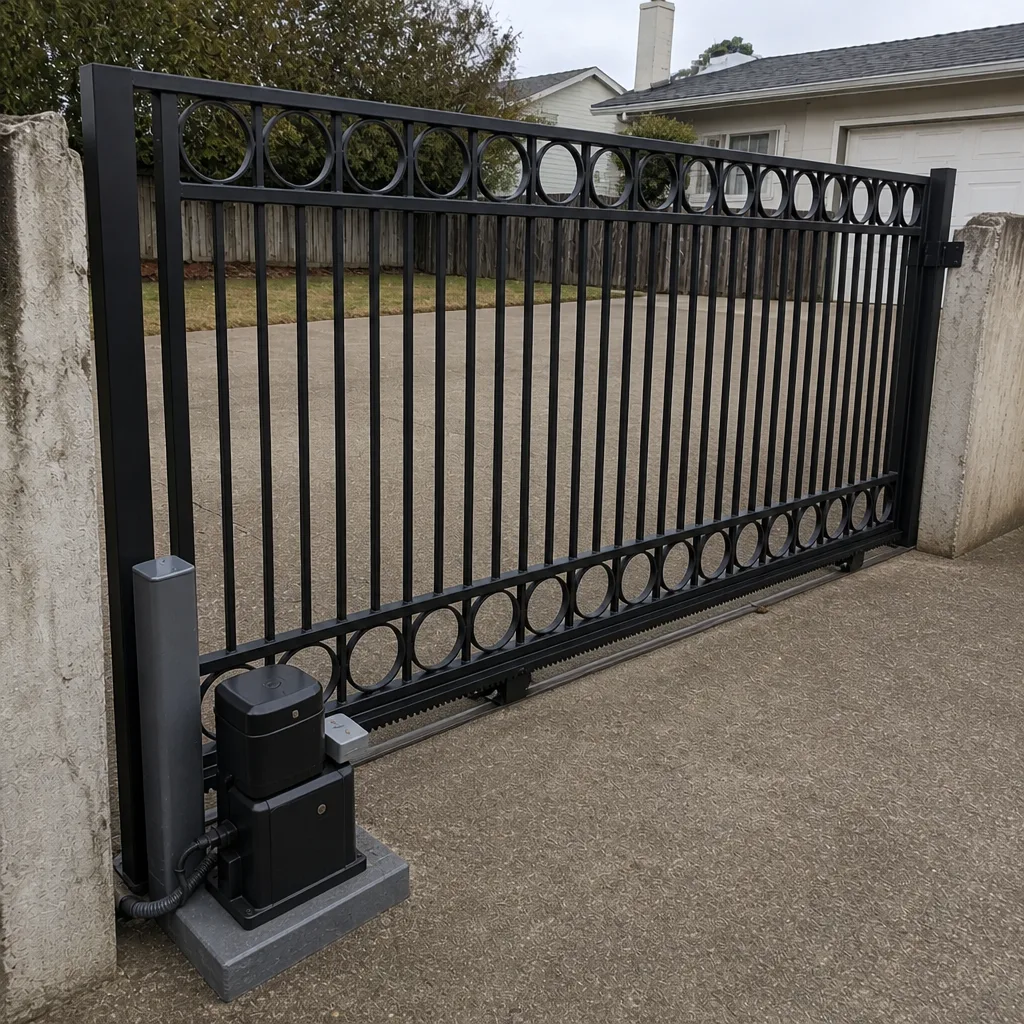 After
When to Call a Professional
Some symptoms mean stop and call us. If your gate stops responding entirely, moves erratically, or the operator’s diagnostic light shows a fault you can’t interpret, that’s a professional call. Safety sensor failures also warrant immediate attention; if the gate won’t reverse when the beam is interrupted, don’t use the automated operation until it’s fixed. A slide gate that’s off its track, heavy panels that have sagged or shifted, and anything inside the control board or operator wiring are also in the “call us” column. In our experience, early intervention on these symptoms often keeps a small repair small. Gate Repair Santa Rosa offers free estimates in Santa Rosa. Call (888) 298-3409 to schedule a technician. We work on the brand you already own, whether that’s a LiftMaster unit with a complex board or a Mighty Mule you installed yourself.
Frequently Asked Questions
Plan for a quarterly check and a deeper seasonal maintenance pass each spring, fall, and before summer heat. Santa Rosa’s combination of marine-layer humidity and summer heat spikes shortens maintenance intervals compared to a generic climate. If your gate faces persistent fog, tighten the intervals further for hinge lubrication and hinge inspections.
The most common cause we see is missed lubrication at three specific points: the drive sprocket contact, the underside of the chain, and the hinge pins rather than the plates. Chain and rack failures within 18 months trace back to one of these points in most cases. Lubricating at those three spots extends chain and rack life considerably.
Yes, if it gets inside the operator housing or control board. Ash that settles on the control board becomes a fine gray film that accelerates corrosion, especially in areas with lingering humidity. After a heavy ash event, follow the cleaning sequence in this guide. Never operate inside an energized housing; power down first or call us for the interior cleaning.
Yes, by disconnecting main power and cycling the gate through a full open-close. If the gate stalls or fails to complete the cycle, the battery is failing. If your system is solar-assisted, also confirm the solar panel is clean and charging. Note the reading in your maintenance log.
Stop using the automated operation until the sensor is fixed. A gate that closes without reversing is a safety hazard to people and vehicles. This is a repair-worthy condition, not something to defer. Call (888) 298-3409 for a free estimate.
It does. When we arrive at a gate with a service history, we skip the diagnostic discovery phase and get to the targeted repair. That saves you both time and cost. Log the date, what you did, any symptom you noticed, and the brand and model of your operator.
The Bottom Line
Santa Rosa’s climate doesn’t fit a generic maintenance schedule. Marine-layer humidity, summer heat spikes, and fall ash events put gate hardware on an accelerated failure timeline that manufacturer manuals written for average conditions don’t account for. The remedy is a schedule built for here: quarterly checks, the four-season passes above, dedicated post-ash cleaning of the operator housing and control board, lubrication at the three points most owners miss, and a battery test under load before summer. Keep a written log and hand it to your technician. Detailed service history cuts diagnostic guesswork and keeps small problems small. Most gate failures here aren’t random; they’re the predictable result of missed maintenance at the specific stress points this climate creates.
If you’d rather leave the interior control board, the operator wiring, or the heavy-panel work to a gate specialist, we’re ready to help. Gate Repair Santa Rosa is a dedicated gate-service company, so one call covers the whole gate, from the operator board to the hinge pin. Call (888) 298-3409 for a free estimate in Santa Rosa. We answer 24/7. Fast dispatch from 7am to 7pm. Every technician here is a gate specialist, and we’ve built our whole practice around gate repair rather than splitting focus across other trades. To see our full range of services, visit Gate Repair Santa Rosa.
Written by the team at Gate Repair Santa Rosa.