
Last updated November 14, 2026
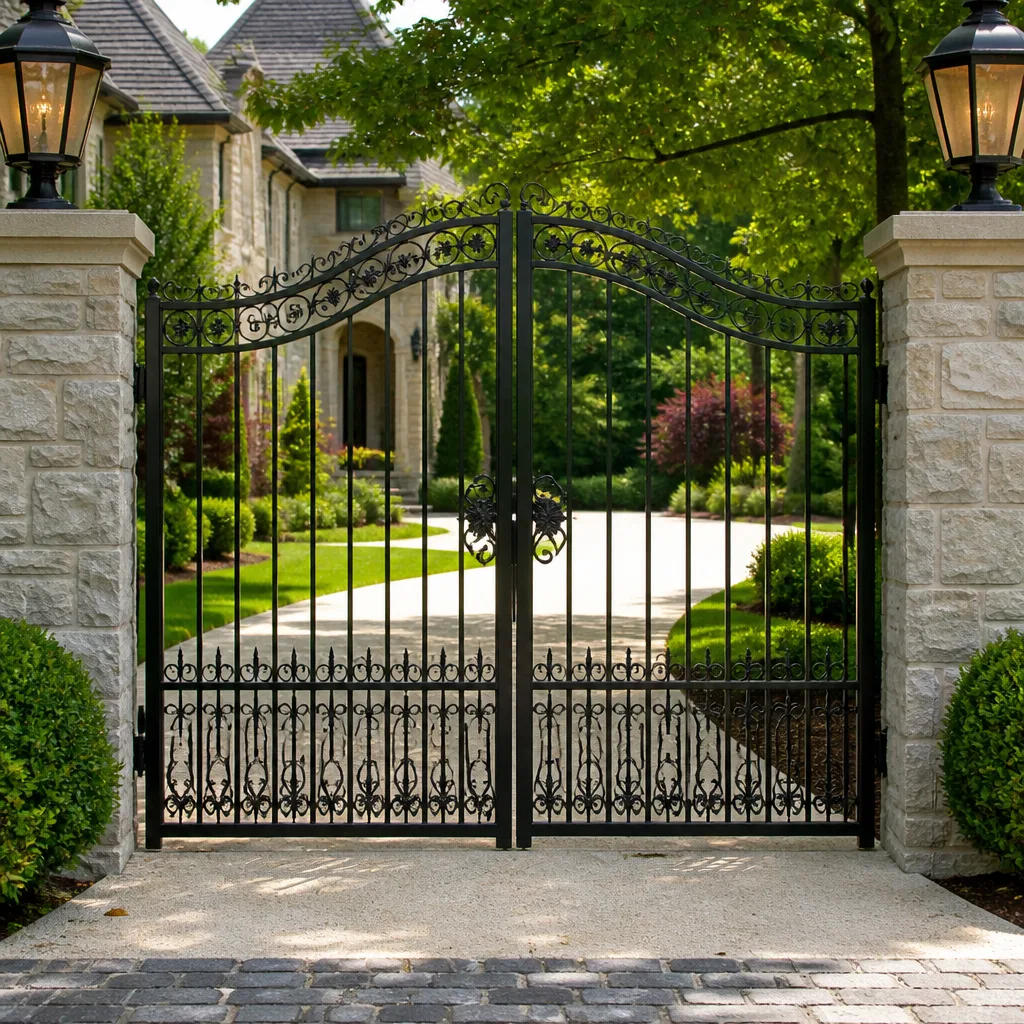 Wrought iron
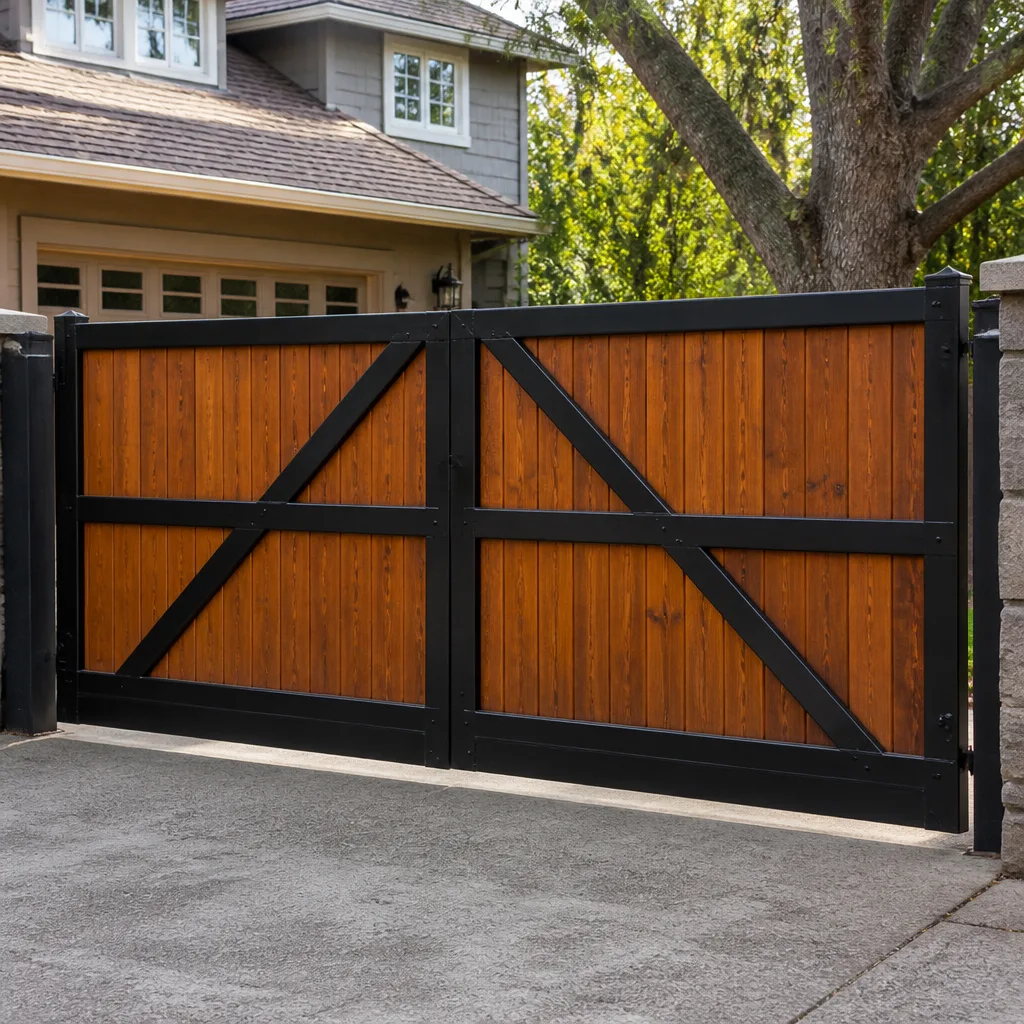 Wood & steel frame
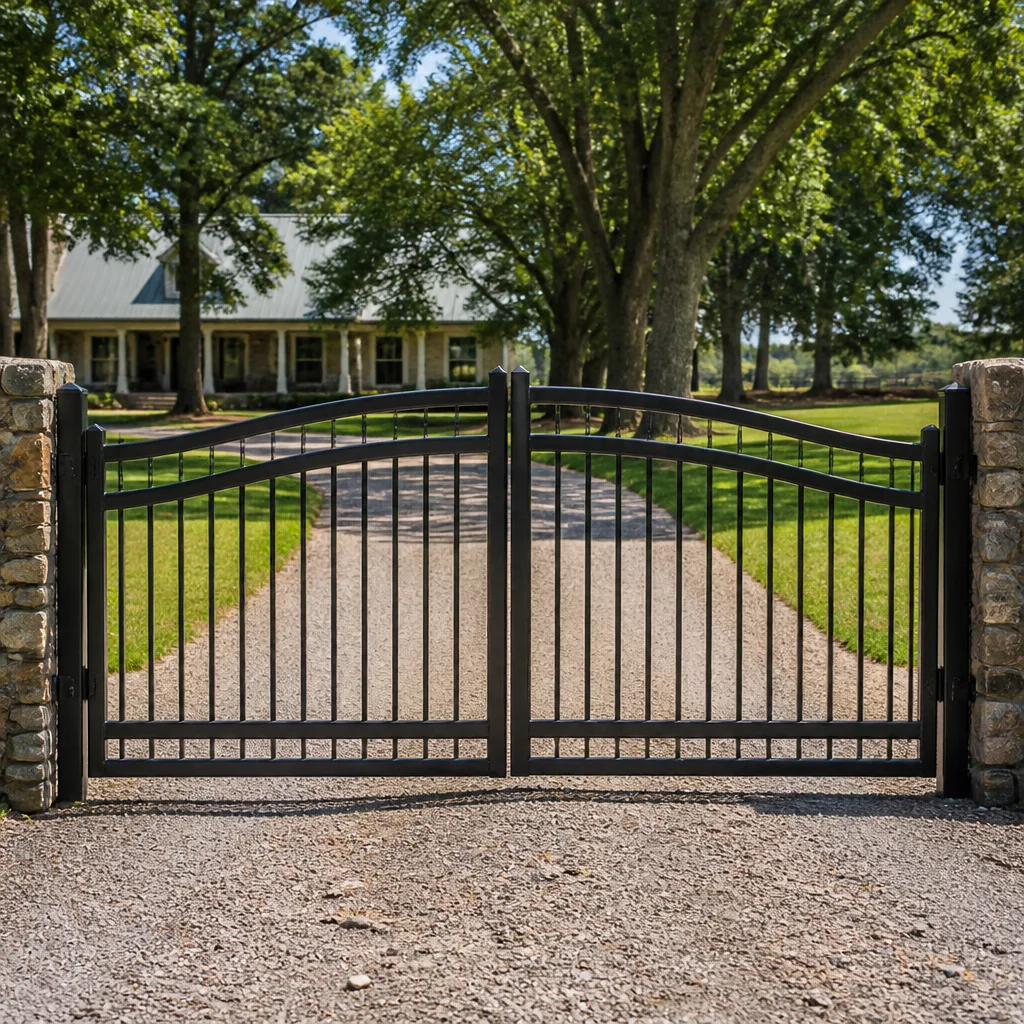 Farm & ranch
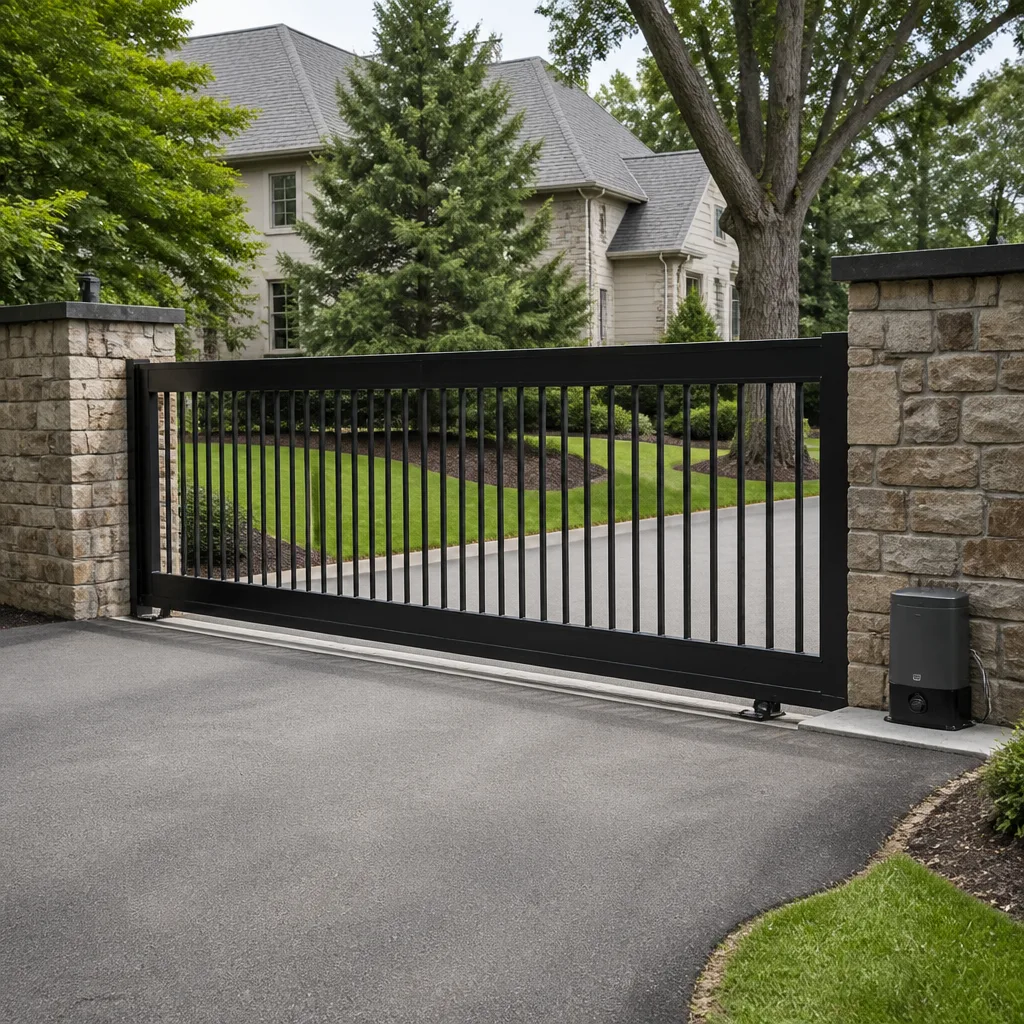 Sliding driveway gates
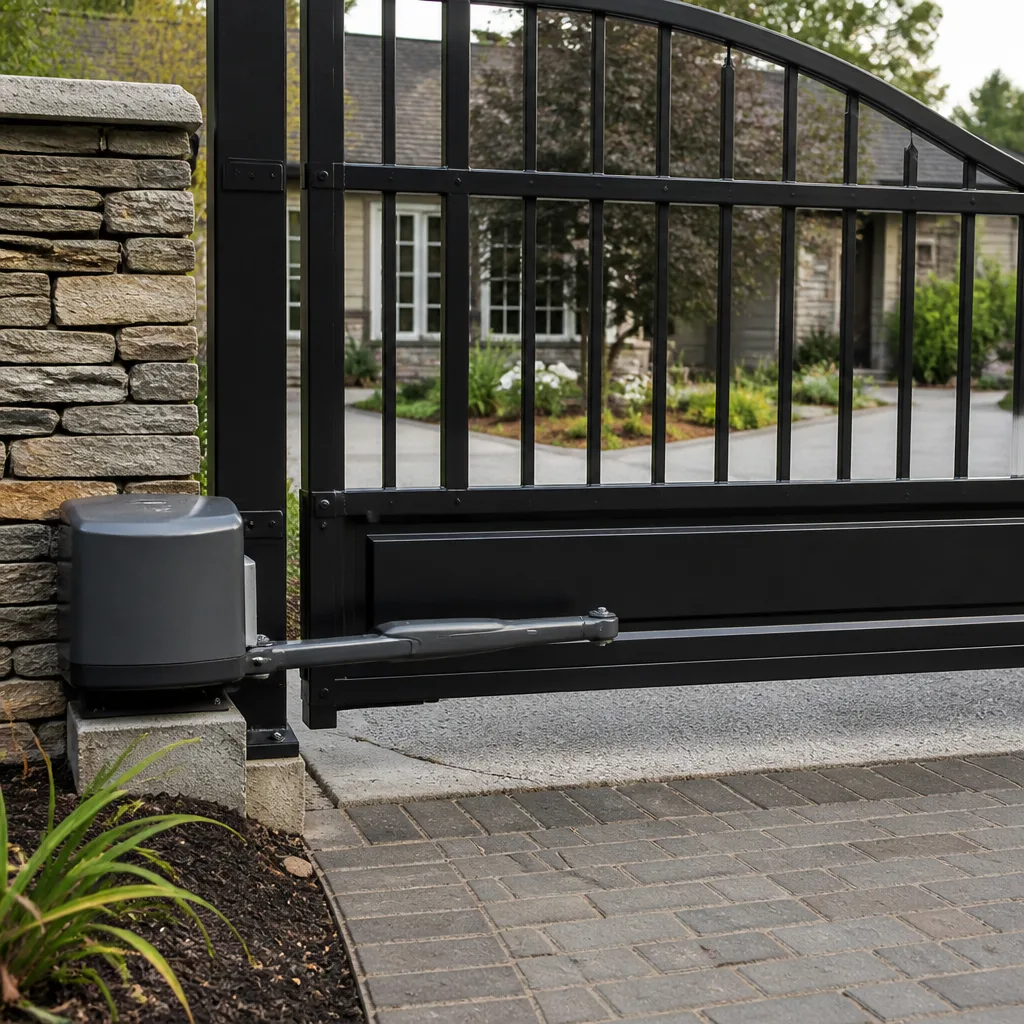 LiftMaster operators
Free on-site gate assessment - hinges, posts, and your LiftMaster or Nice gate operator checked before anything is quoted
The assessment is free and the quote is the invoice.
Get your free estimateHow to Hire a Gate Repair Contractor in Santa Rosa: A Step-by-Step Guide
Most homeowners assume a license settles the question. It doesn’t. A contractor can hold a perfectly valid credential and still have never opened the operator you’re staring at, whether it’s a Mighty Mule on a rural driveway or a commercial-grade DoorKing on a shared entrance. The license proves someone can be insured and held accountable; it says nothing about whether they’ve diagnosed a slipping limit switch on a FAAC arm or traced a fault in a BFT control board. In this guide, we walk through how to hire a gate repair contractor in Santa Rosa the way a specialist would: the license categories that actually apply, the five technical questions that separate a real gate technician from a generalist, and how to read a written scope so you don’t get upsold mid-job. By the end you’ll know how to judge an estimate on its substance, not its price tag.
Quick Answer
To hire a gate repair contractor in Santa Rosa, verify the license classification that actually covers gate and operator work, ask five technical questions tied to your specific operator brand and model, request one accurate diagnosis rather than three guesses, and insist on a written scope of work that names the operator, the fault, and what’s included. A specialist can identify your system and explain the fault before touching a tool; a generalist asks what kind of gate you have and quotes from there.
Styles & brands we work with
- Wrought iron
- Wood & steel frame
- Farm & ranch
- Sliding driveway gates
- LiftMaster operators
Table of Contents
- Which California contractor license covers gate repair?
- The five questions to ask before you hire
- Why one accurate diagnosis beats three quotes
- What a written scope of work must include
- How to verify your contractor knows your brand
- Access control, safety edges, and the power run
- What’s different about hiring in Santa Rosa
- Red flags in a gate repair quote
Which California Contractor License Covers Gate Repair?
Gate and automated operator work in California usually falls under a C-10 electrical contractor or a C-13 fencing contractor, and the honest answer is that neither classification alone guarantees gate expertise. The C-10 covers electrical work, which matters because automated gates involve motors, control boards, and low-voltage wiring. The C-13 covers fencing and related structures, which matters because the gate panel, posts, and hardware are structural. Some operators are wired and installed under an electrical scope; some gates are installed under a fencing scope; a full automated gate project often touches both. The practical takeaway: a license proves the contractor is accountable and insured for a category of work, not that they’ve serviced your operator model.
When you check a license, verify it’s active and current on the state licensing board’s lookup, and confirm the classification matches the work being quoted. For an automated gate with a motor, control board, and safety sensors, you want someone whose credential and experience actually cover the electrical side, not just the frame. Ask directly which classification they hold and what part of your gate it covers.
What none of that tells you is diagnostic skill. A handyman with the right paper and a specialist with the same paper can look identical on the license lookup. The difference shows up in how they talk about your system, in the accuracy of the diagnosis, and in whether they come back to fix a callback. That’s what the rest of this guide is about. If you’re already past the hiring question and need the work done, our gate repair page covers what a service visit involves.
The Five Questions to Ask Before You Hire
The fastest way to tell a gate specialist from a generalist is to ask questions only someone who works on operators every week can answer fluently. Write these down and listen to how the answers sound. A confident specialist answers with specifics; a generalist hedges, defers to the office, or talks about price instead of the fault.
- “What operator brand and model do you think I have, and how would you confirm it?” A specialist names the brand, points to the label on the operator housing or control box, and tells you what model number to read off. A generalist says “we’ll take a look when we get there.”
- “When a slide gate stops halfway, what’s your first diagnostic step?” Expect a specific answer tied to the operator: limit switches, obstruction sensors, the control board, the drive motor. Vague “we’ll check the motor” answers signal guesswork.
- “How do you test the safety edges and loop detector?” This separates operator-trained technicians from hardware installers. Safety edges and loop detectors are part of the system, and a specialist knows how they fail and how to test them.
- “What’s the difference between a limit switch fault and a control board fault on my operator?” A specialist explains the symptoms of each and how the diagnosis is confirmed. A generalist can’t tell them apart and will start replacing parts.
- “How do you handle the low-voltage wiring and the power run?” Automated gates involve a power feed to the operator and low-voltage runs for sensors and access control. A specialist talks about both clearly and understands the electrical scope.
You don’t need to memorize the technical answers. You just need to hear whether the person on the phone is describing your system or describing a generic gate. One call covers the whole gate when the person answering can talk about the operator board and the hinge pin in the same conversation. Our electric gate repair specialty is exactly this: motors, control boards, safety sensors, and access-control wiring rather than manual hardware alone.
Why One Accurate Diagnosis Beats Three Quotes
Getting three quotes feels responsible, but on a gate repair it often produces three different guesses and no diagnosis. The reason is simple: when a contractor quotes a fault they haven’t confirmed, they’re pricing a guess. Three guesses at three prices don’t help you choose; they confuse the decision. What you actually want is one accurate diagnosis you can then price against.
A proper diagnosis names the component and explains why it failed. On an automated gate that means checking the operator, the control board, the safety sensors, the limit settings, and the wiring, then telling you which one is causing the fault. Only after that does a quote mean anything.
Here’s how to tell a quote from a guess:
- A quote names the operator brand and model, the specific part or fault, the labor involved, and what happens if the fault turns out to be something else.
- A guess says “we’ll replace the motor and see” or prices a job without confirming the fault.
- A quote is written and includes the scope you’ll read in the next section.
- A guess is verbal, vague on parts, and often low on the front end with room to grow.
Ask each contractor to explain the diagnosis, not just the price. If they can’t tell you what failed and why, the number they’re quoting doesn’t mean much. This is the “diagnose first, replace only when necessary” approach, and it protects you more than any head-to-head price comparison. For perspective on what a full gate installation involves versus a repair, see our Santa Rosa service overview.
What a Written Scope of Work Must Include
A written scope of work is your protection against upsell creep. Mid-job surprises are the most common complaint in gate repair: the price quoted for one part grows as the technician discovers “additional issues.” Some of that is real, since a fault can hide behind another fault. But a good scope tells you up front what’s included, what’s excluded, and how changes get approved.
Before any work starts, the scope should include:
- The operator brand and model being serviced, written exactly as it appears on the unit.
- The confirmed fault and the diagnosis, in plain language: what failed and how it was tested.
- The parts and labor included, line by line, with the price for each.
- What’s excluded, such as a separate power run, permitting, or replacement of a second component the fault might expose.
- How change orders get approved, so nothing is added without your written or verbal sign-off before work continues.
- The final price and how it’s set, with a clear statement that the written estimate sets the final price.
If a contractor won’t put the scope in writing before starting, that’s enough to walk away. A written scope protects both sides: you know what you’re paying for, and the technician knows what’s expected. On a commercial-grade installation, the same principle applies to the operator and access-control wiring, and it’s why we treat the scope as the core of the job rather than an afterthought.
How to Verify Your Contractor Knows Your Brand
Brand fluency is where hiring a gate contractor in Santa Rosa gets specific. Each operator brand has its own control logic, its own common failure points, and its own way of being tested. A technician who’s worked on a Mighty Mule residential arm may have never opened a FAAC swing operator, and vice versa. The question isn’t “do you work on gates,” it’s “have you worked on mine.”
Here’s how to verify it before the visit:
- Find your model number. Read the label on the operator housing or control box. Note the brand and the exact model.
- Ask what they know about that model specifically. A specialist can name a common fault or describe how the operator behaves when it’s failing.
- Ask whether they’ve worked on your brand before. A straightforward yes or no tells you more than a sales pitch.
- Request documentation of the diagnosis. A written scope that names your model and the confirmed fault is your proof they engaged with your system.
We work on the brand you already own. Being brand-neutral matters here: a contractor who pushes one brand has a reason to call your working operator “too old.” A specialist diagnoses what’s in front of them and recommends replacement only when repair genuinely isn’t cost-effective. If you’re weighing a new gate against a repair, a proper comparison of the operator, panel, and hardware helps you decide without being steered.
Access Control, Safety Edges, and the Power Run
Automated gates are more than a motor and a panel. Access control, safety edges, loop detectors, and the power run are all part of the system, and a contractor who only handles mechanical hardware will stall when the fault sits in the wiring or the control board. Ask how they handle each of these before you hire, because these are the parts of the job where generalists get stuck.
- Access control: keypads, intercoms, and remote receivers integrate with the operator. A specialist knows how these connect and how to test them.
- Safety edges and loop detectors: these prevent the gate from closing on a vehicle or a person. A specialist tests them as part of any diagnosis, not as an afterthought.
- The power run: the feed to the operator is electrical work. Confirm the contractor’s scope actually covers it, or that they work with someone who does.
A note on safety: automated gate systems involve line voltage, moving panels that can crush, and slide gates that can come off the track. Do not open the operator housing or probe the wiring yourself. Confirm the operator is de-energized before anyone reaches into it, and leave the electrical diagnostic to a trained professional. A gate that closes on a person or a vehicle is a serious hazard, and the safety devices exist for a reason.
This is also why a full-service gate company matters. When the diagnosis runs from the operator board to the hinge pin, you don’t need a second contractor for the electrical side or the access-control side. One call covers the whole gate, and the person who diagnosed it is the person accountable for the fix.
What’s Different About Hiring in Santa Rosa
Santa Rosa sits in a region with mild, wet winters and dry summers, and that pattern shapes what fails on a gate here. The wet season loads up exposed hardware, hinges, and the tracks on slide gates, and the dry season follows with dust and grit working into moving parts. Gates on sloped driveways and rural properties see more strain on operators and hinges than flat, sheltered entrances. None of that changes the hiring rules, but it does mean a contractor who works in Santa Rosa regularly will recognize the wear patterns a visiting generalist won’t.
Housing stock matters too. Santa Rosa mixes older properties with newer construction and rural lots, so gates range from a Mighty Mule arm on a residential driveway to a LiftMaster or BFT operator on a larger property to a commercial-grade DoorKing at a shared entrance. A specialist who’s seen the full range can identify what you have and what’s likely to fail on it. A contractor who mostly works elsewhere may not have serviced your operator family at all.
The hiring checklist stays the same: verify the license, ask the five questions, insist on a diagnosis and a written scope, and confirm brand experience. What changes in Santa Rosa is the value of local pattern recognition. A technician who has worked a wet-season service call on the same kind of slide gate on a sloped drive knows where to look first.
Red Flags in a Gate Repair Quote
Some quotes tell you to walk away before the visit. Watch for these:
- No diagnosis, just a price. If the contractor won’t explain what failed, the number is a guess, and it can grow once work starts.
- “We’ll replace the whole operator.” A replacement recommendation before a diagnosis is a sign the contractor isn’t confident in the repair or would rather sell a new unit.
- No written scope. Verbal quotes with no named parts, no model number, and no exclusions leave you exposed to mid-job additions.
- Pushing one brand. A contractor who steers every job toward the same brand may be selling rather than diagnosing. Brand-neutral means fixing what you have.
- Can’t name your operator model. If they can’t identify the brand and model on your unit, they haven’t worked on it.
- No plan for the electrical side. Automated gates involve a power run and safety wiring. A quote that ignores these will hit them mid-job.
Common Mistakes to Avoid
- Treating three quotes as a diagnosis. Three prices from three guesses don’t tell you what’s wrong. Get one accurate diagnosis first, then compare the written scopes.
- Hiring on price alone. The lowest quote on a gate repair is often the least informed. A specialist’s scope shows what you’re paying for; a cheap number with no diagnosis doesn’t.
- Not verifying brand experience. Reading your model number off the operator label and asking about it takes two minutes and saves a wasted visit.
- Accepting a verbal quote. Without a written scope naming the operator, the fault, the parts, and the exclusions, you have no protection against added costs.
- Assuming a license equals expertise. The C-10 and C-13 classifications cover broad work; neither guarantees the technician has opened your operator.
- Letting a generalist handle the electrical. The power run, safety edges, and control board are part of the job. Confirm the contractor’s scope covers them.
- Ignoring safety-device failures. A gate that won’t reverse or a loop detector that doesn’t detect isn’t a minor annoyance. Get it tested by a specialist.
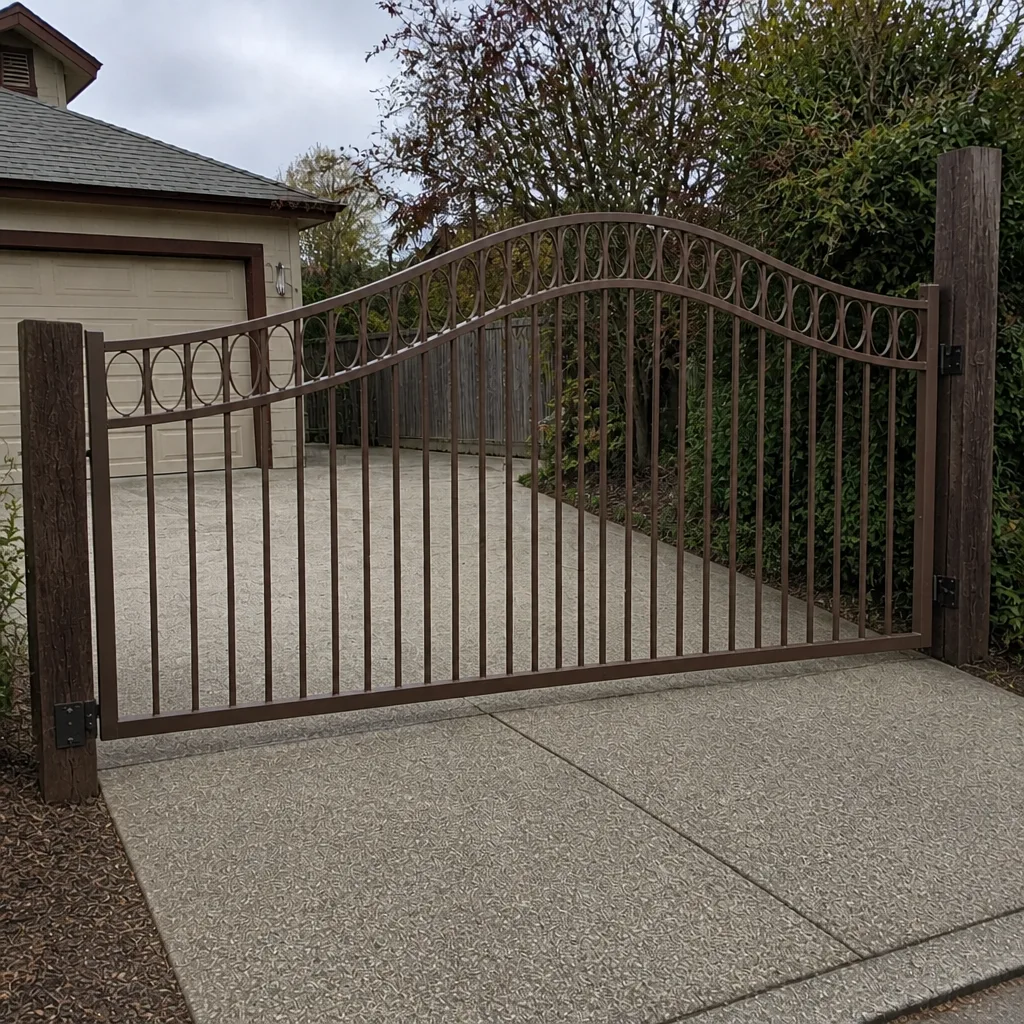
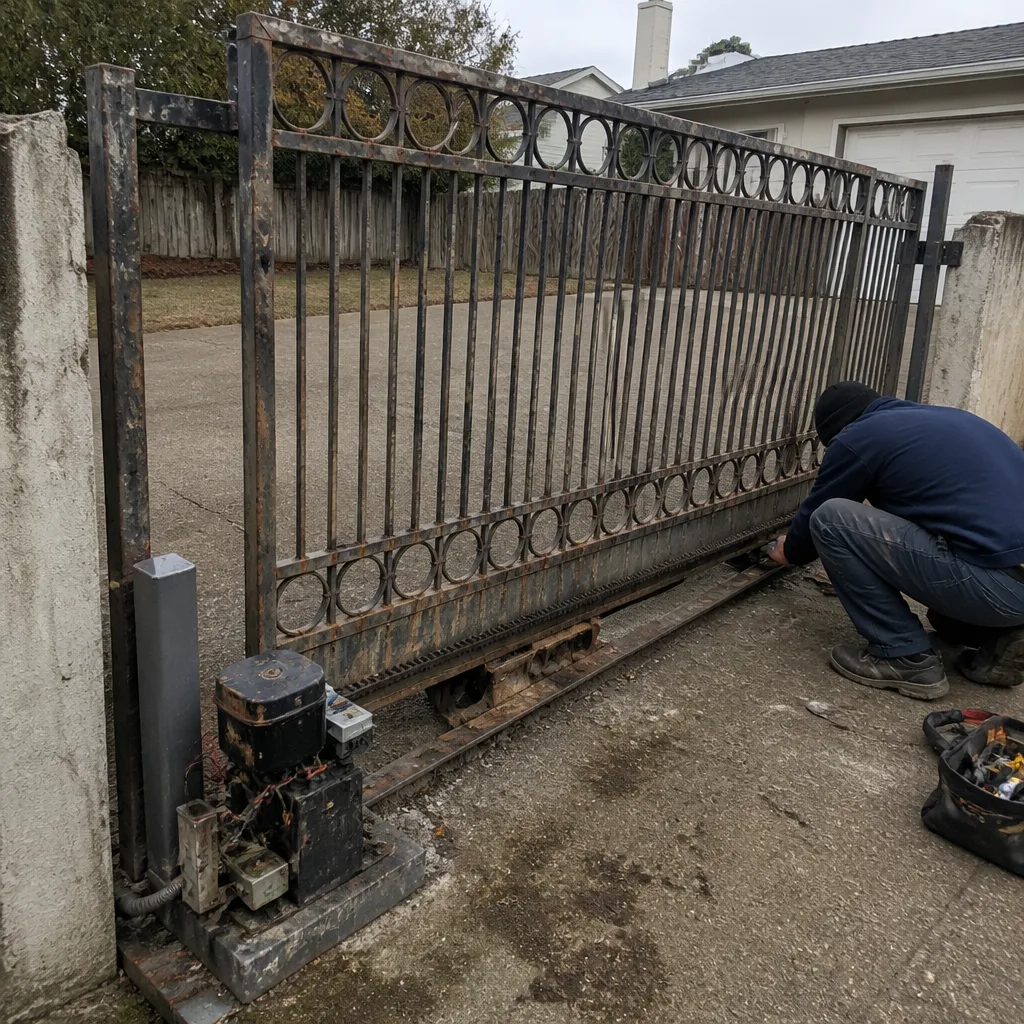
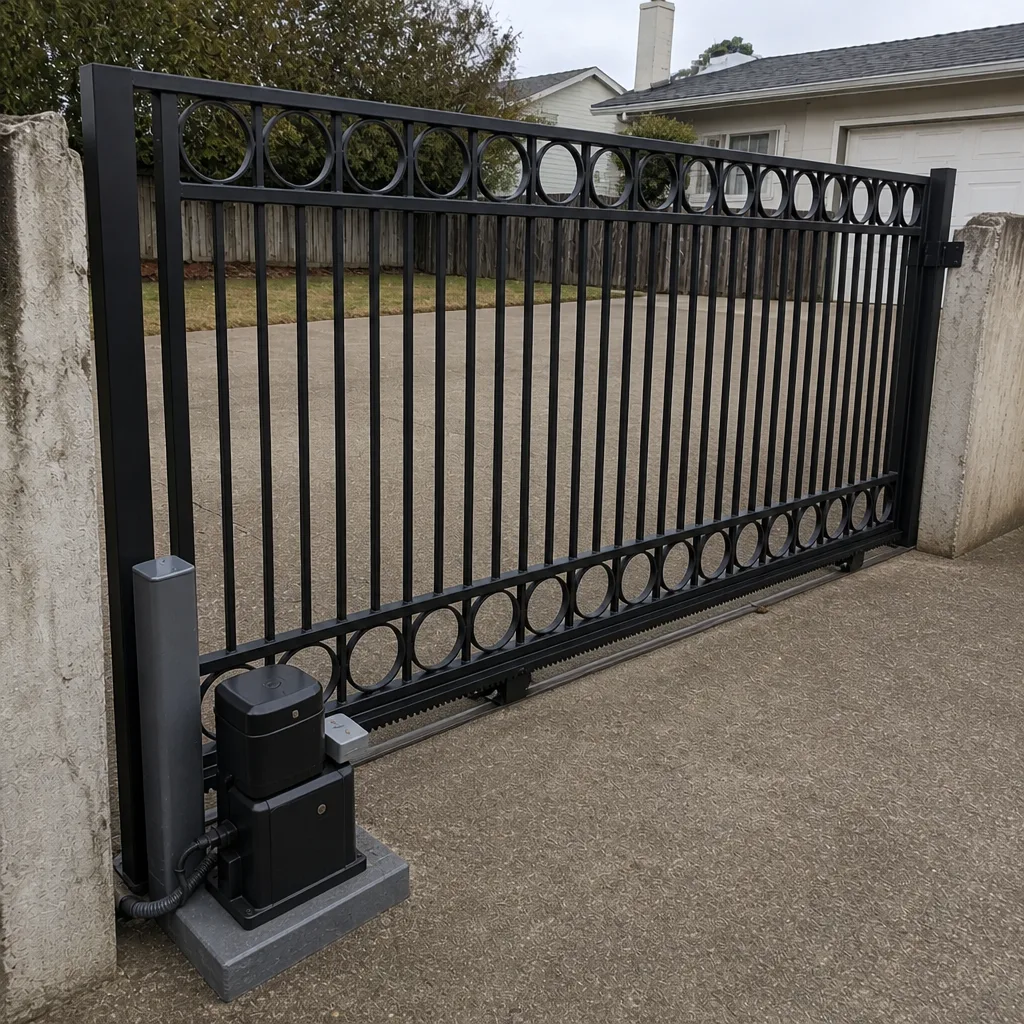
See the difference
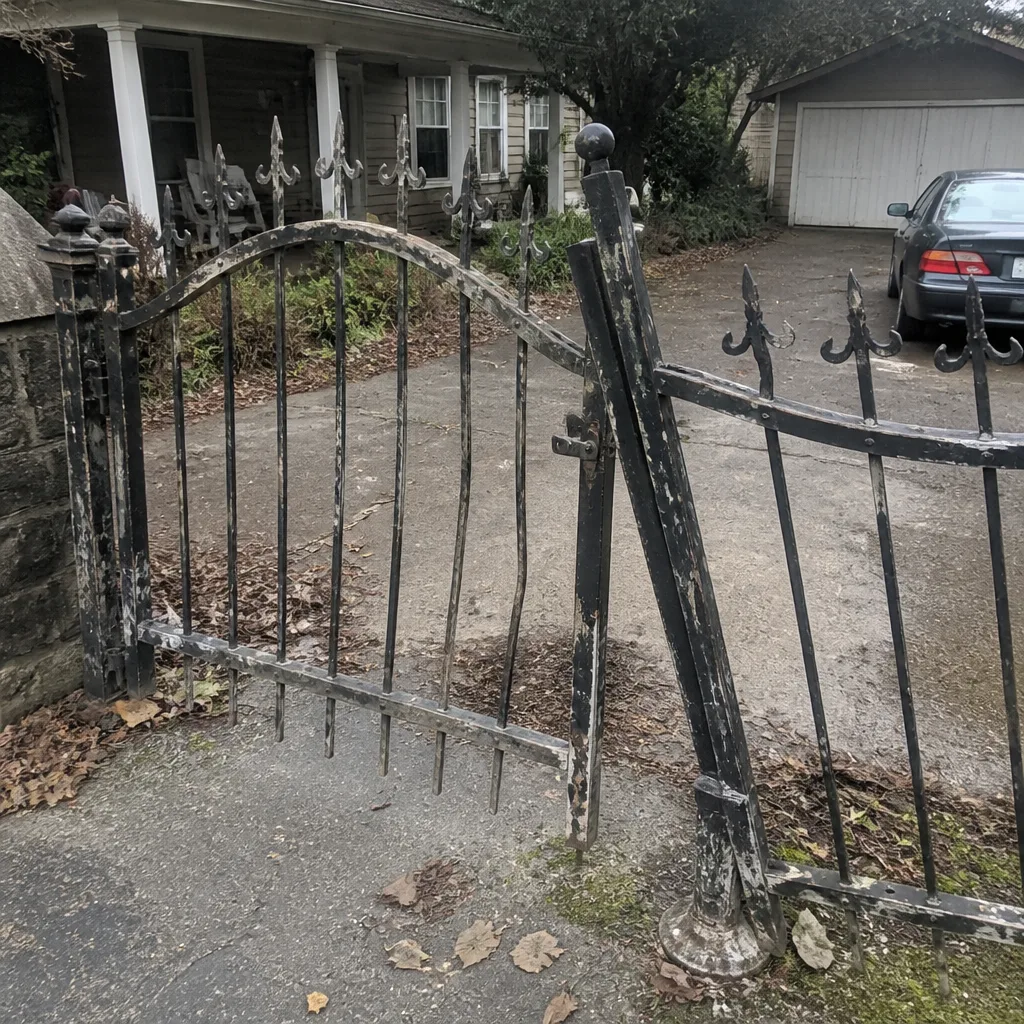 Before
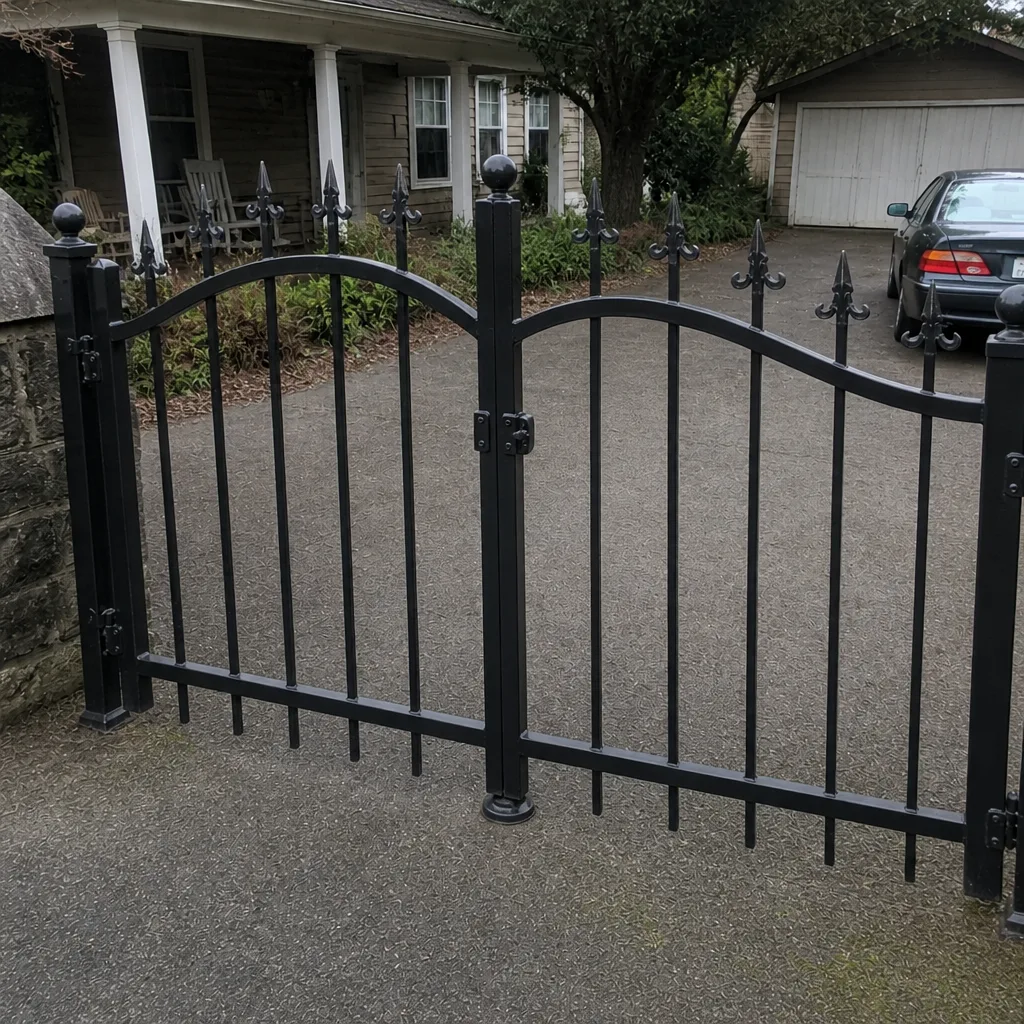 After
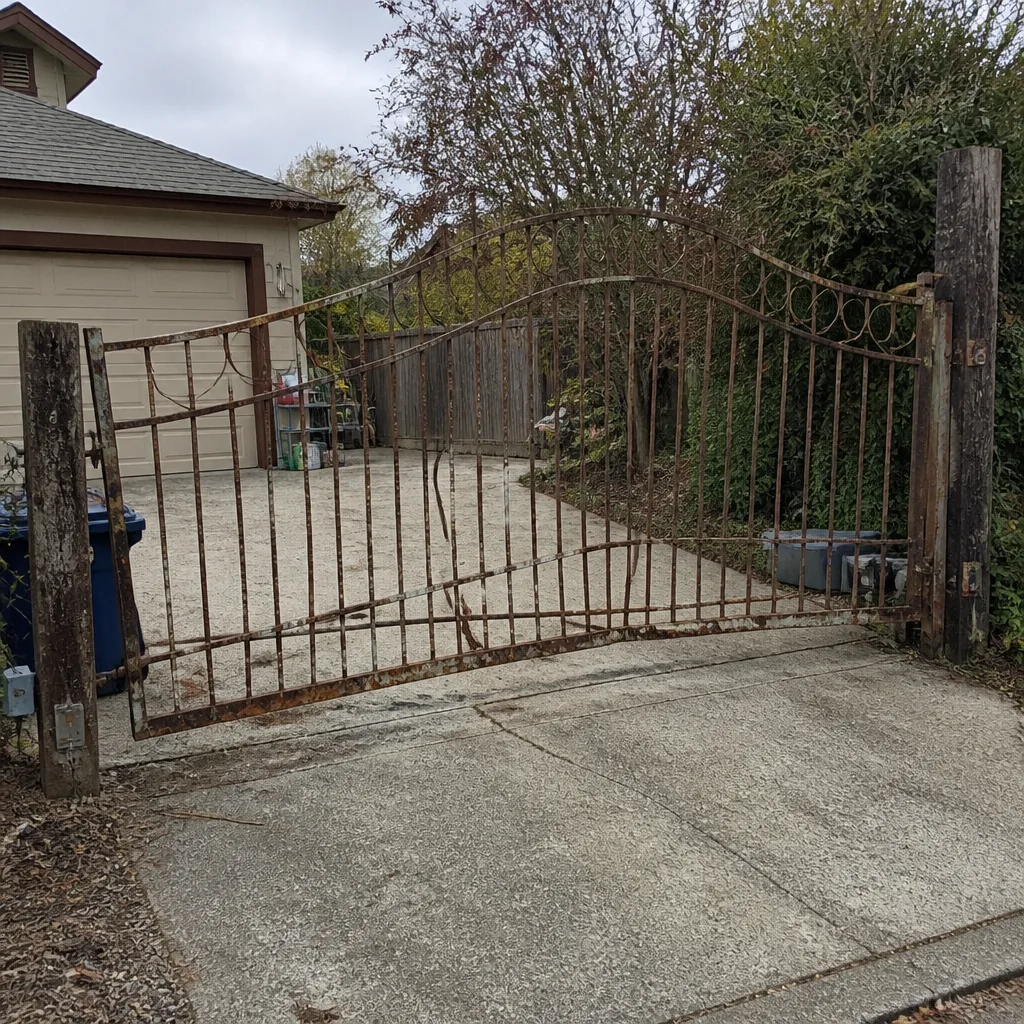 Before
 After
 Before
 After
When to Call a Professional
Call a professional when a gate won’t respond to a remote, when it stops halfway or reverses on its own, when the safety edge or loop detector stops working, when the operator clicks but doesn’t move, or when a slide gate comes off its track. Any of these can point to a fault in the operator, the control board, the safety wiring, or the power run, and the diagnosis matters as much as the repair. Don’t open the operator housing or probe the wiring yourself. Automated gates involve line voltage and moving panels that can crush, so leave the electrical work to a trained technician. Gate Repair Santa Rosa offers free estimates in Santa Rosa. Call (888) 298-3409. We answer 24/7. Fast dispatch from 7am to 7pm, Sunday through Friday.
Frequently Asked Questions
The estimate is free, and the price for the repair is set per job by the written estimate. The final price depends on the operator brand and model, the confirmed fault, and the parts and labor involved. You’ll see the scope and the price before any work starts, and the written estimate sets the final price. Call (888) 298-3409 for an exact quote; estimates are free.
Yes. A proper diagnosis names the component and explains why it failed before you approve a repair. If the fault sits in the safety edge or loop detector, the operator was never the problem and a specialist says so before quoting a replacement. Call (888) 298-3409 and we’ll talk through what your gate is doing.
Gate and automated operator work in California generally falls under a C-10 electrical contractor or a C-13 fencing contractor, and some automated gate projects involve both. Verify the license is active and that the classification covers the work being quoted, and then judge the contractor on diagnostic skill with your specific operator.
Ask them to name your brand and model and describe how it fails. Read the label on the operator housing to find the model number, then ask what they know about it. A specialist answers with specifics about the control logic or common faults; a generalist can’t. Request a written scope that names your model and the confirmed fault.
Often, yes. Many common operator faults can be diagnosed and repaired on the same visit, but it depends on the fault and on parts availability for your brand. Call (888) 298-3409 and describe what the gate is doing so we can tell you what to expect. We answer 24/7. Fast dispatch from 7am to 7pm, Sunday through Friday.
A written scope should name the operator brand and model, the confirmed fault and diagnosis, the parts and labor included with a price for each, what’s excluded, and how change orders get approved before work continues. If a contractor won’t put the scope in writing before starting, that’s a reason to walk away.
The Bottom Line
Hiring a gate repair contractor in Santa Rosa comes down to diagnostic skill, not just a license. Verify the classification, ask the five technical questions, get one accurate diagnosis instead of three guesses, and insist on a written scope that names your operator model and the confirmed fault. Confirm the contractor has worked on your brand, and make sure their scope covers the electrical side, safety edges, and access control. A specialist diagnoses first and replaces only when necessary, and every question in this guide is built to help you tell the difference.
At Gate Repair Santa Rosa, we work on the brand you already own, from the operator board to the hinge pin. Our technicians have up to 14 years of experience, and we handle repair, electric and automated gate repair, and new gate installation under one call. Call (888) 298-3409 for a free estimate. We answer 24/7. Fast dispatch from 7am to 7pm, Sunday through Friday.
Written by the team at Gate Repair Santa Rosa.