
Last updated November 14, 2026
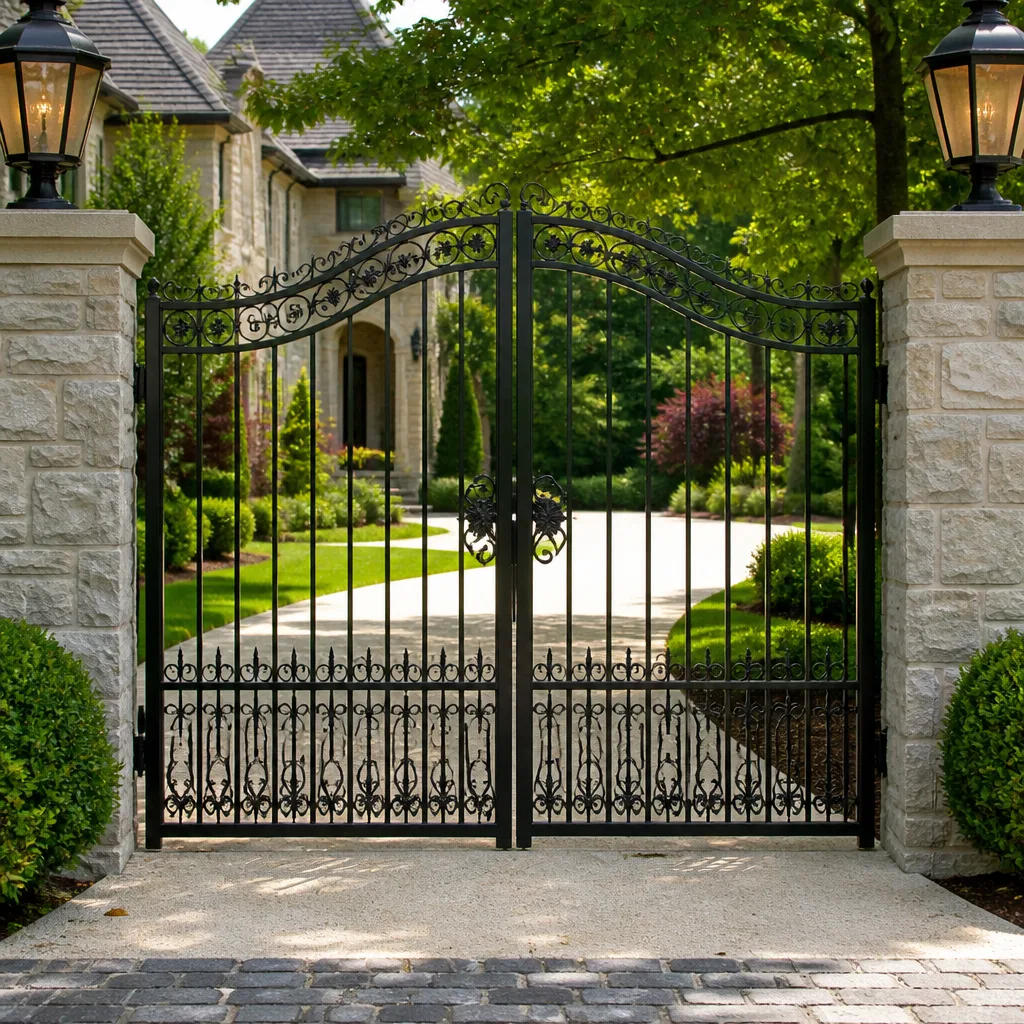 Wrought iron
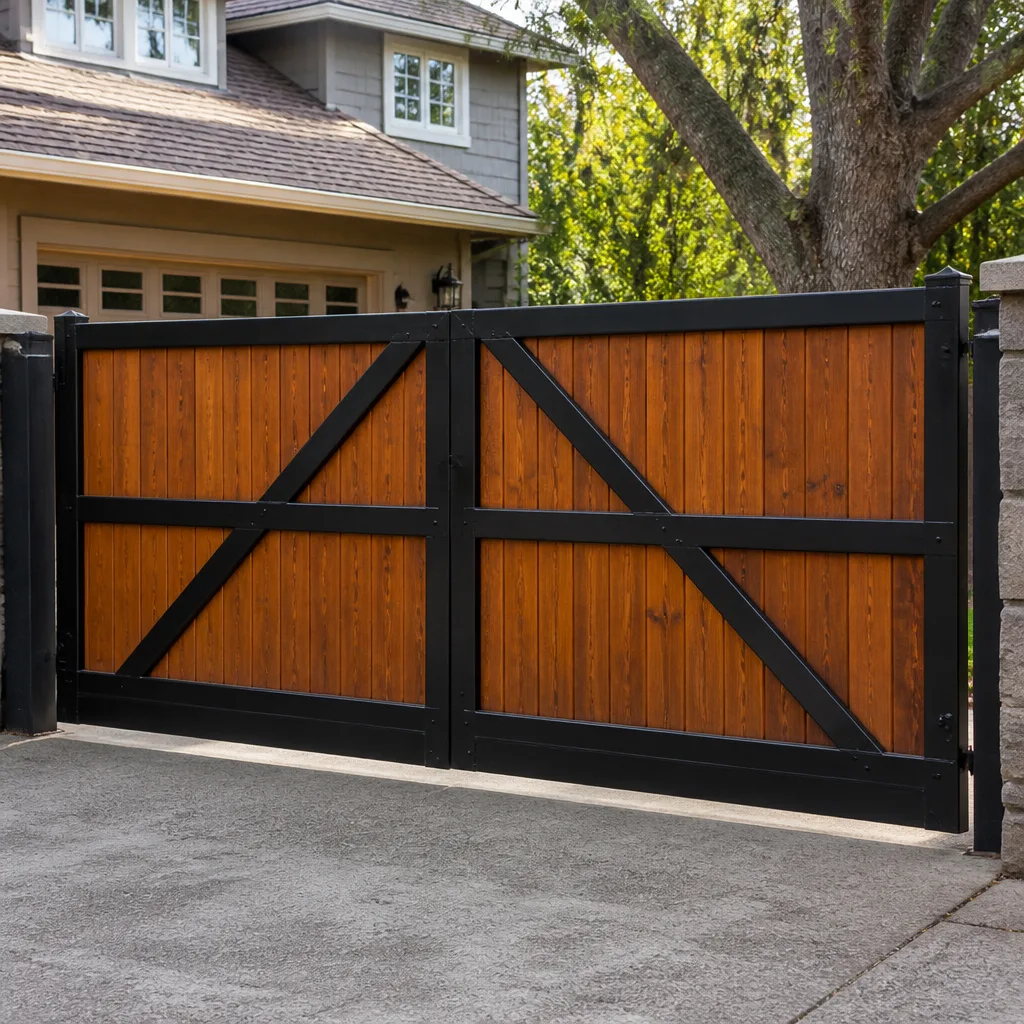 Wood & steel frame
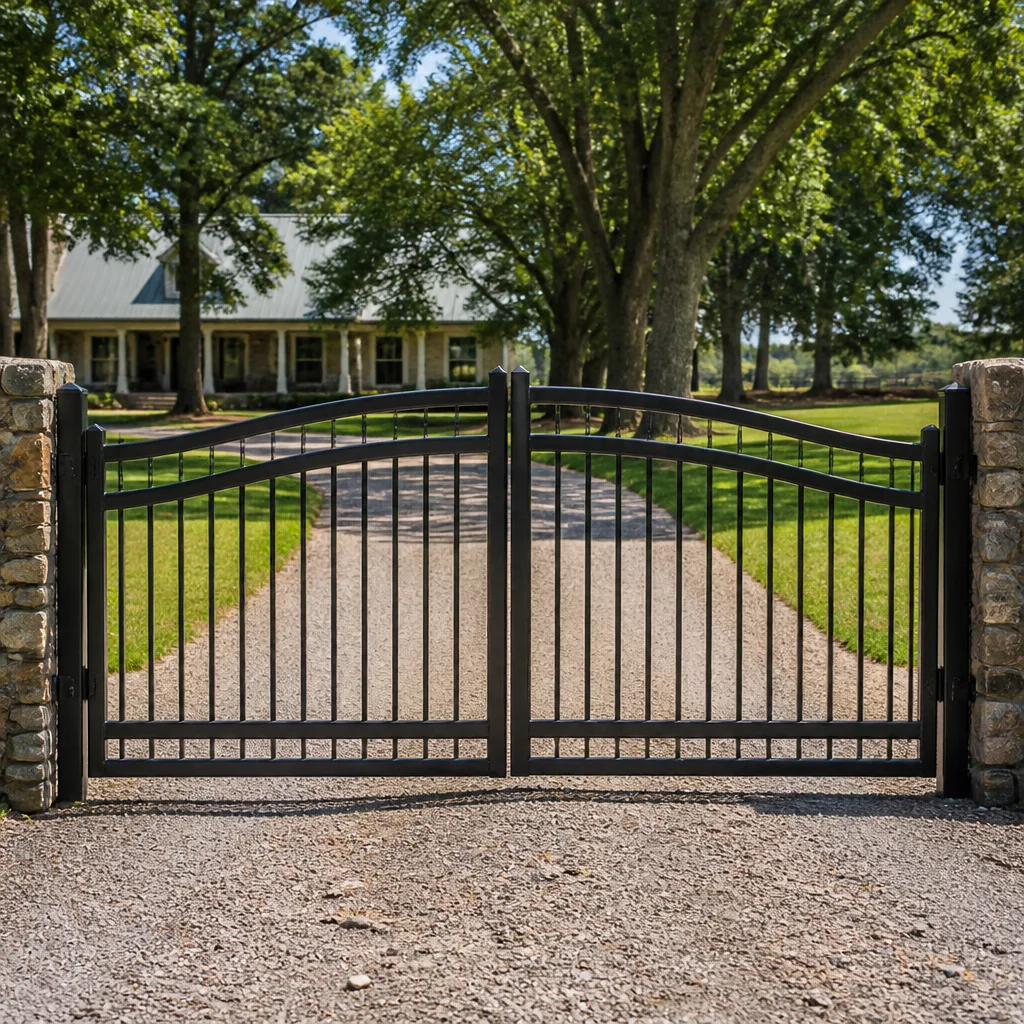 Farm & ranch
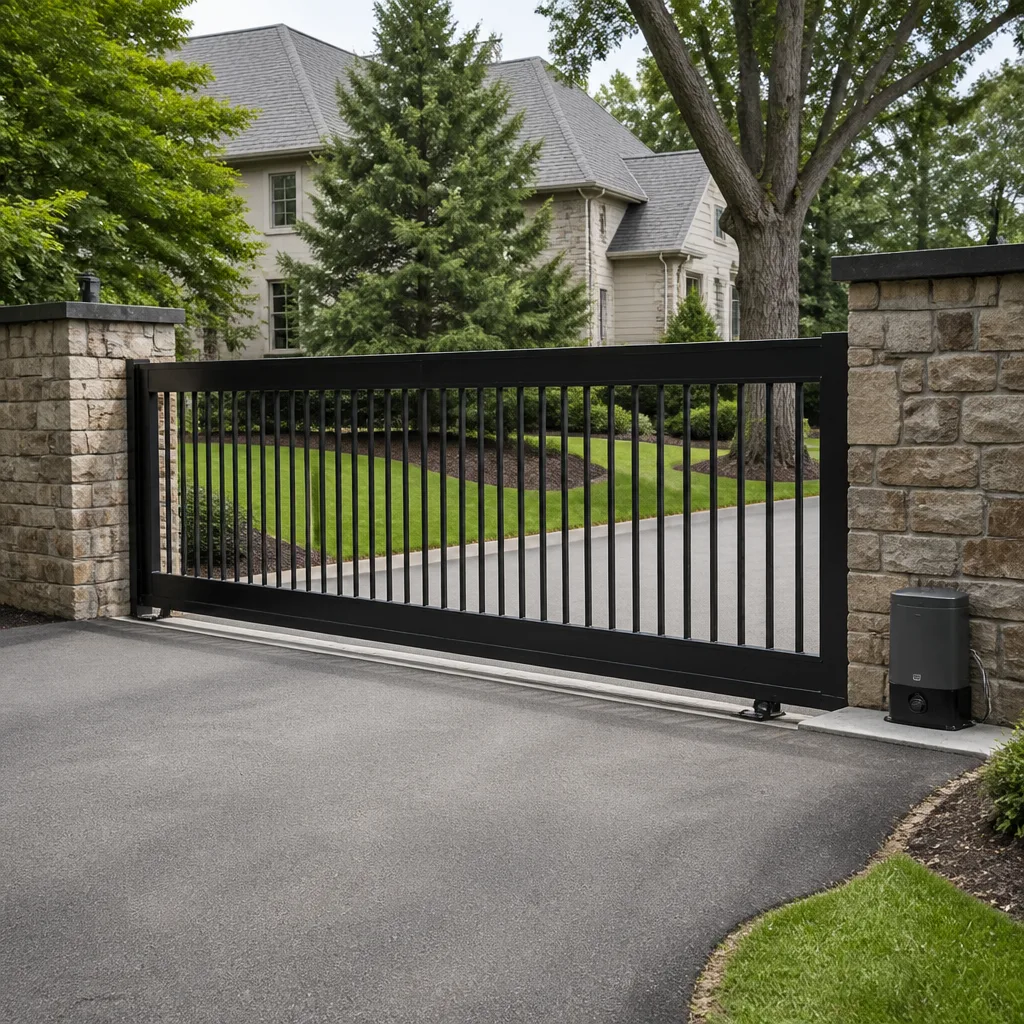 Sliding driveway gates
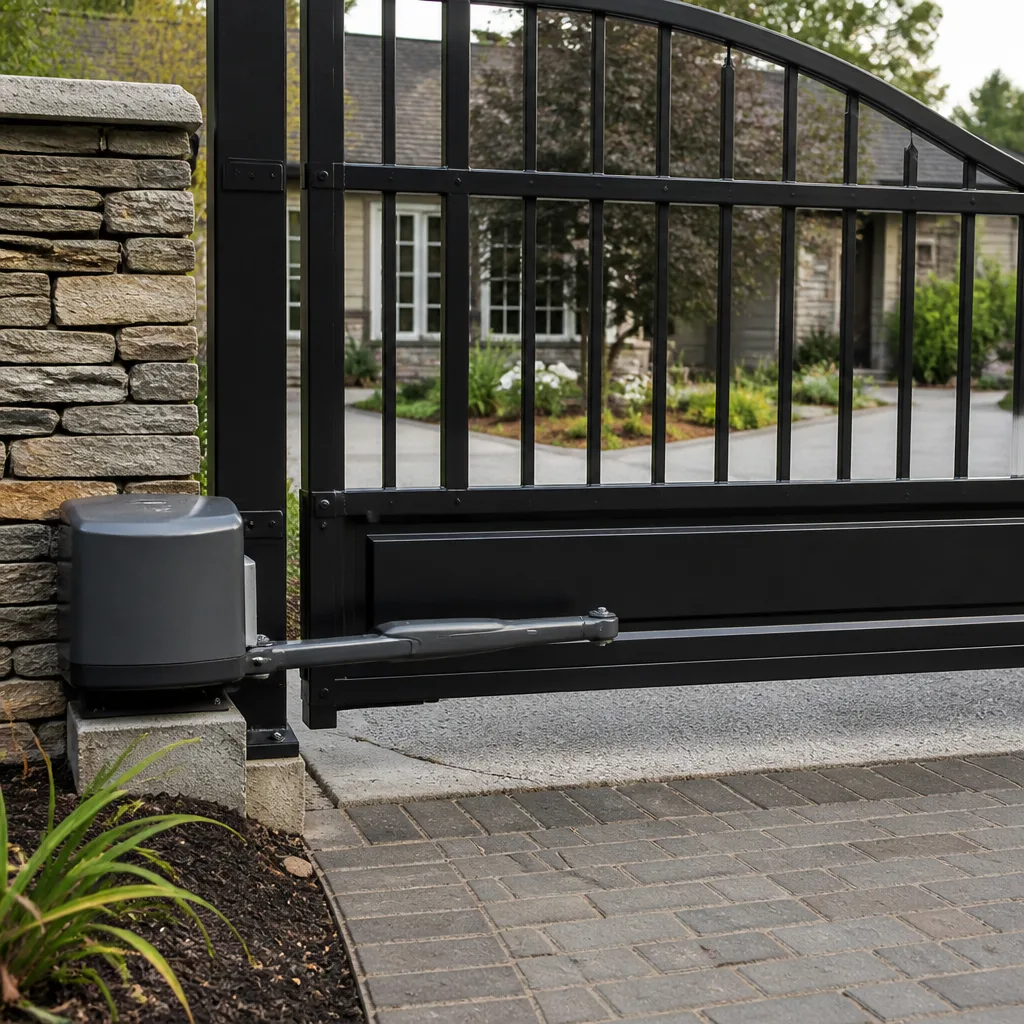 LiftMaster operators
Free on-site gate assessment - hinges, posts, and your LiftMaster or Nice gate operator checked before anything is quoted
The assessment is free and the quote is the invoice.
Get your free estimateGate Repair Cost Breakdown: The Santa Rosa Homeowner’s Reference for 2026
Three Santa Rosa homeowners with the same faulty gate operator can open their mailboxes to quotes of $275, $650 and $1,100 – all from licensed contractors looking at the same gate. That spread isn’t a scam. It’s a trade with no published pricing, where each technician quotes what he thinks the market will bear. We’ve watched a single gate part get three wildly different numbers in one afternoon in Santa Rosa, and it costs homeowners plenty. This reference fixes that gap. It gives you 2026 cost benchmarks by repair type, parts tier and drive system, so you walk into every quote with a calibrated reference point and can tell a fair price from a hopeful one.
Quick Answer
Gate repair in Santa Rosa runs roughly $180 to $2,400 depending on the job, with the most common electric gate failures landing between $350 and $900. Simple mechanical fixes – a hinge, a latch, a sagging swing arm – usually cost far less than a control board or motor swap. Labor for a dedicated gate specialist typically falls in the $95 to $150 per hour range, and the parts tier you choose (OEM, aftermarket or refurbished) often moves the final price more than the labor itself. The written estimate sets the final price, and the price is agreed before any work starts.
Styles & brands we work with
- Wrought iron
- Wood & steel frame
- Farm & ranch
- Sliding driveway gates
- LiftMaster operators
Table of Contents
- Why Gate Repair Quotes Vary So Much in Santa Rosa
- Cost Benchmarks by Repair Category
- Parts Tier: OEM vs. Aftermarket vs. Refurbished
- Labor Rate Norms: Specialists vs. General Contractors
- The Hidden Cost Multipliers You’ll See on a Quote
- Repair vs. Replace: The 50% Rule and When It Flips
- How to Get a Fair Quote: A Step-by-Step Checklist
- Common Mistakes to Avoid
- When to Call a Professional
- Frequently Asked Questions
- The Bottom Line
Why Gate Repair Quotes Vary So Much in Santa Rosa
There’s no standard pricing model for gate work. Garage doors and water heaters get shopped constantly, so most trades in Santa Rosa have settled into narrow price bands. A gate is different. It’s a piece of equipment most homeowners touch twice a day and think about once a decade, usually the day it stops opening. That starts the search from zero, and a contractor knows it.
The variation comes from four real places, not just greed:
- Diagnosis depth. One technician spends twenty minutes on-site, reads the operator error code and guesses. Another spends an hour tracing wiring at the control board, testing the safety loop detectors and checking for a phantom signal. The second tech either finds the real problem or rules several out, and the labor has to reflect it. That’s what we mean when we say electric gate repair is a diagnosis job first and a swap job second.
- Parts sourcing. A general contractor orders the first compatible part from a jobber. A gate specialist working a known brand like DoorKing or Elite has direct familiarity with what that model actually calls for and can spot the correct replacement part fast. The same part name can mean very different things depending on the tier, and the tier is often where the biggest price swing lives.
- Who’s doing the work. A general contractor doing gates as a side line has to mark up the parts and labor enough to cover learning the system. A specialist who works gates every day can price the job accurately because the quote is based on the actual job, not on a best guess.
- Access. A standard six-foot swing gate at the driveway edge in a Santa Rosa neighborhood is a different job than a 16-foot sliding gate at the end of a 300-foot driveway off a hillside lot. The second takes longer, needs more visits or a truck, and comes with more margin for error. That spread shows up on the quote.
None of this is a secret. Once you know the categories, you can compare quotes like a professional. The rest of this guide is the reference sheet for that comparison.
Cost Benchmarks by Repair Category
Here’s where the money goes. These are typical, estimated ranges for common gate repairs in Santa Rosa, quoted for a standard residential gate with an electric operator unless noted. Your final number depends on the model, access and condition, and the written estimate sets the price.
| Repair Category | Typical Estimated Range | What’s Usually Included |
|---|---|---|
| Hinge, roller and hardware replacement | $120 – $320 | Hinge pins, bolts, gate hardware, realignment |
| Latch and strike repair | $100 – $250 | Adjustment, latch replacement, strike plate |
| Sagging swing gate realignment | $250 – $600 | Hinge reset, diagonal brace, post anchoring check |
| Sliding gate track repair or replacement | $300 – $900 | Track section, rollers, guide adjustment |
| Control board replacement | $450 – $950 | Board, reprogramming, safety sensor re-test |
| Motor / operator swap (residential) | $700 – $1,600 | New operator, mounting, wiring, limit-set |
| Battery and backup power | $200 – $500 | Battery pack, testing, charging circuit check |
| Intercom and access integration | $350 – $1,200 | Intercom unit, keypad or entry integration, wiring |
| Safety edge and loop detector repair | $250 – $700 | Sensor, loop replacement, alignment |
If your gate is manual only, the top four rows are your world, and the numbers sit at the low end. If it’s automated, the board, motor and sensor rows are where repairs get expensive. Knowing which row your failure falls into is half the battle before you even pick up the phone.
The most common call we get is a gate that opens fine and won’t close. That’s almost never the motor. It’s usually a safety sensor seeing a phantom obstruction, or a board not reading its limits properly. That’s a sensor or board job, not a motor swap – and that single distinction is worth hundreds of dollars between two quotes.
Parts Tier: OEM vs. Aftermarket vs. Refurbished
Parts tier is the quietest line on a gate quote and often the one that decides whether a repair holds. Here’s how we frame it for Santa Rosa homeowners.
The three tiers at a glance
- OEM (original equipment manufacturer): The exact part the operator maker sells for your model. Fits first time, carries the full maker’s support, and you rarely see the job twice for the same cause. Highest cost.
- Aftermarket: A compatible part from a third party. Wide quality spread. Some are excellent and run for years. Some have thinner circuit boards, weaker battery cells or a different connector pattern that needs adapters that eventually work loose. Middle cost, middle risk.
- Refurbished: A used or remanufactured component, commonly a control board or motor drive. Real savings up front, and for an older system where a new board is no longer made, it can be the only path to a repair rather than a full swap. The risk is matching batches: a refurbished board can age differently than the rest of the operator, and that mismatch is a common second repair call.
Where the savings are real
Aftermarket parts make sense where the part is not electronics: hinges, rollers, track sections, brackets, latches. These are hardware, and the branding difference matters far less than fit and metal quality. A good aftermarket hinge at half the OEM price is a fair deal in most cases.
Where they cost more later
On a control board, an operator motor or a battery pack, the cheap tier is where budgets go wrong. Those parts carry the electrical sophistication, and the low-cost versions fail first. We see it on the full sweep of residential-to-commercial systems, from budget openers to commercial-grade operators like Viking or DoorKing. The system will tell a technician with the right training what’s wrong, but only an OEM or proven-tier part puts it back to where it started.
Our advice: if a quote comes in far below the others, ask what tier the parts are. A $450 repair that lasts three years beats a $300 one that fails again in six months. If you’re noticing a pattern of failures across your operator, it might be time to talk through a gate repair assessment before committing to more parts.
Labor Rate Norms: Specialists vs. General Contractors
Labor is where the 300% spread starts. In the Santa Rosa market, a dedicated gate specialist’s labor typically runs in the $95 to $150 per hour range, and a full general contractor doing gate work as a side job sits in roughly the $75 to $130 per hour range. That looks like the general contractor should win every time. It rarely plays out that way over the life of the repair.
Here’s why the spread exists and where each one costs you:
- Time to diagnose. A specialist identifies the failure faster because they’ve seen that operator or that brand before. A brand-neutral gate specialist can walk up to whatever system is behind the gate and know which of the nine major brands it is and how it typically fails. A generalist has to reverse-engineer it on-site and invoice the learning.
- Once vs. twice. A correct first-time fix is a single visit. A guess that misses costs a second visit, and the second visit often cancels out any hourly savings on the first. In our experience, the job that gets diagnosed right on the first trip almost always costs less overall, even at a higher rate.
- Parts margin. A general contractor making up margin on parts quotes the whole repair accordingly, while a specialist working the same brand repeatedly knows what the parts cost and can pass on the tier choice explicitly.
- Scope inflation. A contractor who rarely touches gates may recommend a full operator replacement because that’s a job they know how to guarantee. A specialist is more likely to quote the actual failed board, motor or sensor, because replacing what isn’t broken isn’t the job.
Our technicians have up to 14 years of experience working gate systems specifically. We diagnose first and replace only when necessary. The right question to ask a quote is never just “what’s your rate” – it’s “what does that rate cover, and do you work on this brand.”
The Hidden Cost Multipliers You’ll See on a Quote
If you’ve compared a couple of gate quotes and the numbers still feel far apart, these multipliers are usually why. None of them are scams, but each one shows up as a number on a different line.
Access complexity
A gate at the end of a long driveway or on a steep Santa Rosa hill lot costs more to work on than a gate 15 feet from the street. Longer wiring runs, more labor to reach the operator, a second person for heavy gate panels, and more time between the truck and the work. If your gate is hard to reach, expect a higher labor line for the same repair. You can reduce it by making sure a route is clear for the technician; think in terms of how the last delivery got to your door.
Site considerations
Santa Rosa properties range from tight in-town lots to wide rural parcels. Gate systems on the rural edge often sit through wet winters and dry summers, and the hardware takes the wear. A gate post that has begun shifting with ground movement may need footing attention beyond a hinge swap, which increases the scope of a simple repair. That’s worth factoring into your yearly planning, not just the quote itself.
Permits, when they’re triggered
Most repair work – swapping a board, a hinge or a motor – generally doesn’t require a permit. A new gate, upgraded posts or a substantial electrical change near the operator wiring can trigger a permit or inspection. If a contractor quotes you a permit fee, ask what specifically triggered it. Some standard repairs get a permit added that isn’t needed.
Safety components
If your operator is missing a safety edge or loop detector, a proper repair should include it, and that adds a line to the quote. We consider that non-negotiable for a gate over a driveway, not a surprise fee.
What shouldn’t be on the quote
Urgency premiums shouldn’t sneak onto a quote because the gate failed at an awkward hour. The price is set per job by the written estimate. The estimate itself is free. We take the estimate on-site, agree the price before any work starts, and the number on the page is the number you pay.
Repair vs. Replace: The 50% Rule and When It Flips
The decision most homeowners agonize over is whether to repair the existing operator or replace it. The industry shorthand is the 50% rule: if the repair costs less than half the price of a new system, repair usually wins. If it climbs to within half or above, replacement starts to look smart. It’s a good rule of thumb on paper, but on gates, the tipping point depends on a few more things.
Here’s how we work through it as a concrete comparison:
- Total the repair estimate. Include parts, labor and anything the repair would do adjacent to the failure. Not one line – the full expected cost.
- Estimate the replacement. A like-for-like operator swap plus any mounting or wiring changes. If the gate itself is sagging, add the structural work. That’s the real comparison number.
- Look at the remaining life. A motor nearing the end of its service window and a failure on a single board is a different call from a board failure on a system that’s otherwise solid. A control board swap on a healthy operator is close to always worth repairing.
- Ask what fails next. If the failed part is one of several worn components on the same operator, the 50% rule undercounts the total repair road ahead. If the failure stands alone, repair is easy to justify.
Where we’ve seen the rule flip in the field is on mid-range residential operators with three or more systems aging at once, and on older commercial-grade systems where replacement parts are no longer easy to get. In those cases, a straight comparison of repair against replacement favors the swap.
If your existing operator is a brand we know well – LiftMaster, FAAC, BFT, Linear, Viking, Ghost Controls, DoorKing, Elite or Mighty Mule – we can price both a repair and a Gate Repair Santa Rosa plan for the same system in one visit, so you choose with full numbers rather than a hunch.
How to Get a Fair Quote: A Step-by-Step Checklist
You can’t control what a quote says, but you can control what you feed into it. These steps help you get a comparable estimate.
- Write down the exact failure. Does the gate not open at all, open and not close, stop halfway, open slowly, or make a new sound? Is there an error light blinking on the operator? That single detail saves time in diagnosis.
- Find the operator’s make and model. Look for the label on the operator housing. If you can tell the technician the brand and model, you get a more accurate quote faster, and specialists who know that brand can plan the parts before the visit.
- Clear the gate path. Make sure the gate and both sides of the driveway are accessible. If your gate needs to be propped, do that safely, and never try to force a stuck gate or work near the operating track while the power is on.
- Ask for the estimate in writing and in detail. The quote should list parts by name, labor, and any access or permit line separately. If a line is opaque, ask. A fair quote survives being read line by line.
- Compare tiers. Ask about OEM, aftermarket and refurbished as options for major parts. A quote with tiers lets you weigh cost against expected life instead of guessing.
- Confirm the price before work starts. Get the agreed number in writing, and check what’s included in that price.
- Ask about the safety sensors. A repair that leaves a missing sensor missing isn’t a complete fix. The safety edge and loop detectors should be working when the technician leaves.
That list is what separates an estimate you can compare from a number you have to take on faith. It won’t lower the quote by itself, but it removes the surprises.
Common Mistakes to Avoid
- Chasing the lowest bid. The cheapest quote often carries aftermarket parts on electronics or a shallow diagnosis. You’ll pay twice: once now, then again when the same problem returns, usually with more damage to the operator or gate frame. Ask what parts and what diagnosis the number buys.
- Letting a general contractor swap the operator when the board is the problem. A full operator replacement is a big, expensive repair that often doesn’t fix a control board or sensor issue. Get the diagnosis first.
- Ignoring a sagging gate. A sagging swing gate usually means the hinge or post has shifted. Left alone, it forces the operator to work against a misaligned gate, which is one of the fastest ways to burn out a motor. Mechanical sag and electrical failures are connected in ways a quick look misses.
- Skipping the safety components. A gate that opens and closes with a missing safety edge or loop detector works until it doesn’t. It’s worth having checked on any repair, not treated as an optional extra.
- Not confirming the price in writing. Verbal quotes drift. Get the estimate in writing and agree the number before anyone lifts a tool. That’s the whole point of the free estimate.
- Forcing a stuck gate. Pushing a jammed electric gate can bend the arm, shear a hinge or strain the operator. Some components store real energy, and a trained technician is the right call for anything beyond a manual latch.
- Assuming all quotes cover the same scope. Two quotes for the same amount can cover very different work. One might include re-testing the sensors and reprogramming limits; the other might swap a part and leave. Compare line by line.
When to Call a Professional
Some gate problems are genuinely safe to look at yourself: a bent latch, a hinge pin that walked out, a remote with a dead battery. But once the gate involves an electric operator, a powered drive system, control boards or wiring, the risk changes. High-voltage electrical components and heavy moving gate panels can cause serious injury to an untrained hand, and a home repair that misses a safety component leaves a real hazard at the end of the driveway.
Call a professional when:
- The gate won’t open or close at all, or stops mid-cycle.
- The operator makes grinding, buzzing or clicking sounds, or an error light stays on.
- The gate power or wiring is exposed, damaged or sparking.
- The gate is sagging, dragging or has come off its track.
- A safety edge or loop detector isn’t working.
- An intercom or keypad integration has stopped responding.
Gate Repair Santa Rosa offers free estimates in Santa Rosa – call (888) 298-3409. We answer 24/7. Fast dispatch from 7am to 7pm.
Frequently Asked Questions
Typical gate repairs in Santa Rosa run from about $120 for a hinge or latch fix up to roughly $1,600 for a full residential motor swap, with most electric gate failures landing between $350 and $900. Control board replacement usually sits around $450 to $950, and intercom or access integration runs $350 to $1,200. Your written estimate sets the final price, and we agree the number before any work starts. Call (888) 298-3409 for an exact quote – estimates are free.
Because there’s no standard pricing model in the trade, and each quote is built from diagnosis depth, parts tier, labor rate and access. One technician swaps a part that seems right; another traces the control board and safety sensors and finds the real failure. A quote built on a full diagnosis and known parts costs less over time than a cheap guess that comes back. Comparing line by line, not just the bottom number, is how you tell them apart. Call (888) 298-3409 for a free estimate and a written price.
If the repair costs less than half the price of a new operator, repair usually wins. Above that, replacement often starts to make sense, especially on older systems with several worn components at once or where replacement parts are hard to source. A board or sensor failure on an otherwise healthy operator is nearly always worth repairing. Ask for both numbers on the same visit so the decision is grounded. Call (888) 298-3409 for a free estimate.
Yes. We work on the brand you already own, and our technicians are familiar with nine major gate and operator brands, from budget residential openers to commercial-grade systems. That includes LiftMaster, FAAC, BFT, Linear, Viking, Ghost Controls, DoorKing, Elite and Mighty Mule. We diagnose first and recommend replacement only when repair is genuinely not cost-effective. Call (888) 298-3409 and tell us what’s on the label.
Most repairs – a hinge, a control board, a motor, a sensor – generally don’t need one. A new gate, a substantial post or footing change, or a bigger electrical change near the operator wiring can trigger a permit or inspection. If a quote includes a permit fee, ask what specifically triggered it. For anything structural, check with the City of Santa Rosa first. Call (888) 298-3409 for a free estimate.
Same-day service is often possible for gate failures in Santa Rosa; call and we’ll tell you what’s open. The phone line is answered 24/7, and fast dispatch runs from 7am to 7pm, Sunday through Friday. A call outside dispatch hours is booked into the next opening. Either way, the price is set by the written estimate and agreed before any work begins. Call (888) 298-3409 – estimates are free.
The Bottom Line
Gate repair pricing in Santa Rosa doesn’t have to feel like a coin flip. The 300% spread is real, but it’s built from pieces you can now read: the repair category, the parts tier, the labor rate and the multipliers. Most electrical gate failures land between $350 and $900, a control board replacement runs $450 to $950, and a residential operator swap sits around $700 to $1,600. The 50% rule gives you a clean repair-vs-replace line, with the caveat that worn components flip it sooner. Above all, get the diagnosis right, get the price in writing, and agree it before work starts. That’s how you walk into any quote in Santa Rosa with a calibrated number in your head instead of a hope.
Contact Gate Repair Santa Rosa
A gate failure moves fast, and so does a good diagnosis. If you want a straight answer on what your repair should cost, call Gate Repair Santa Rosa at (888) 298-3409 and get a free estimate. We’re a dedicated gate specialist – repair, electric gate repair and installation, all handled by one team, from the operator board to the hinge pin. We answer 24/7. Fast dispatch from 7am to 7pm, Sunday through Friday. The price is quoted and agreed before any work starts, and that written estimate sets the final number.
Written by the team at Gate Repair Santa Rosa.
See the difference
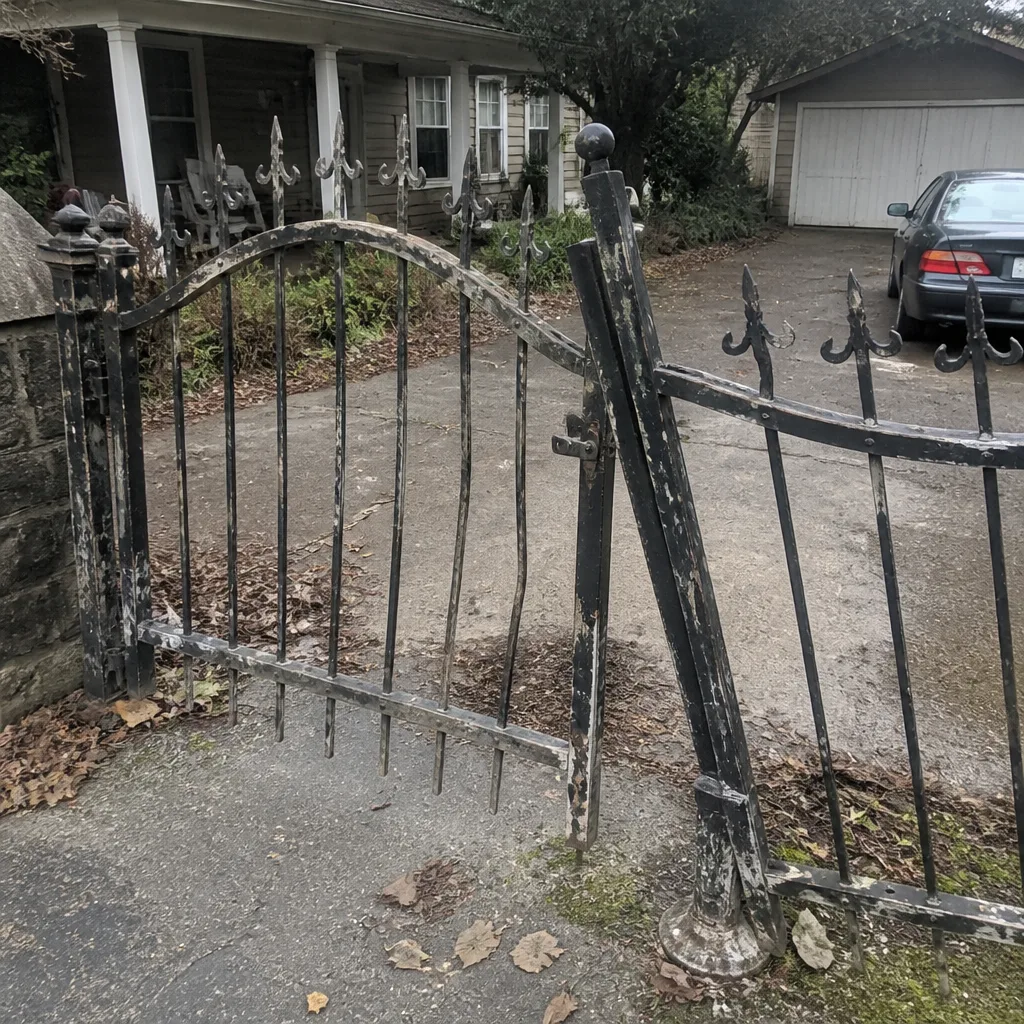 Before
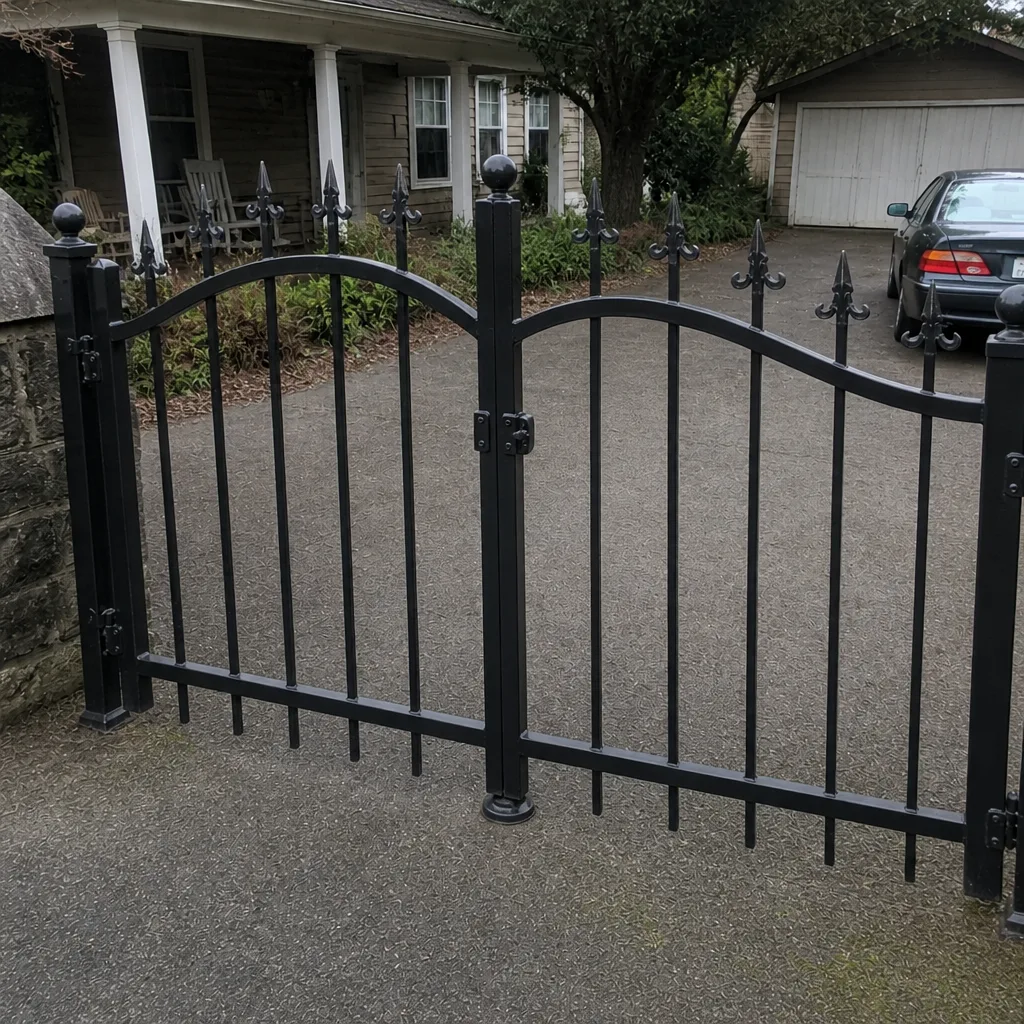 After
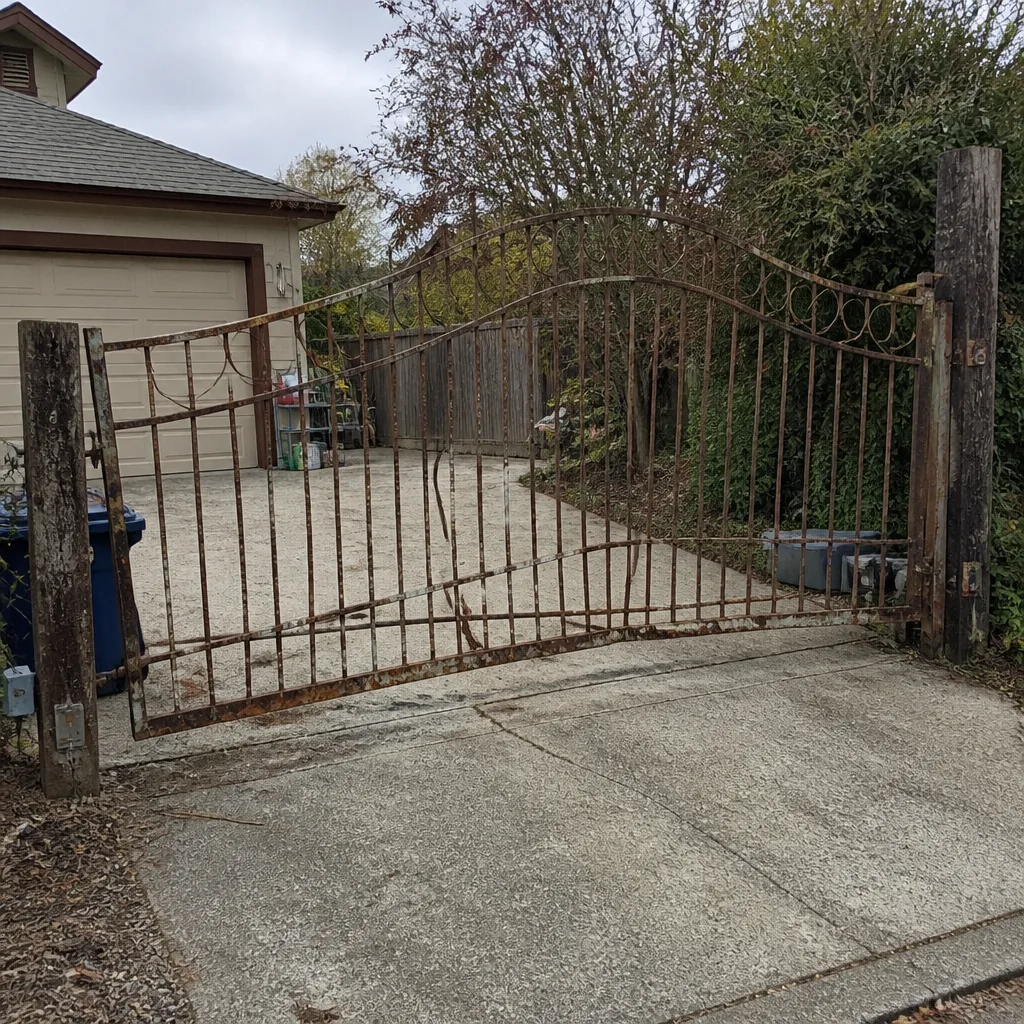 Before
 After
 Before
 After